Advancing Science and Technology in the Islamic World: Innovation, Connectivity, and Strategic Knowledge
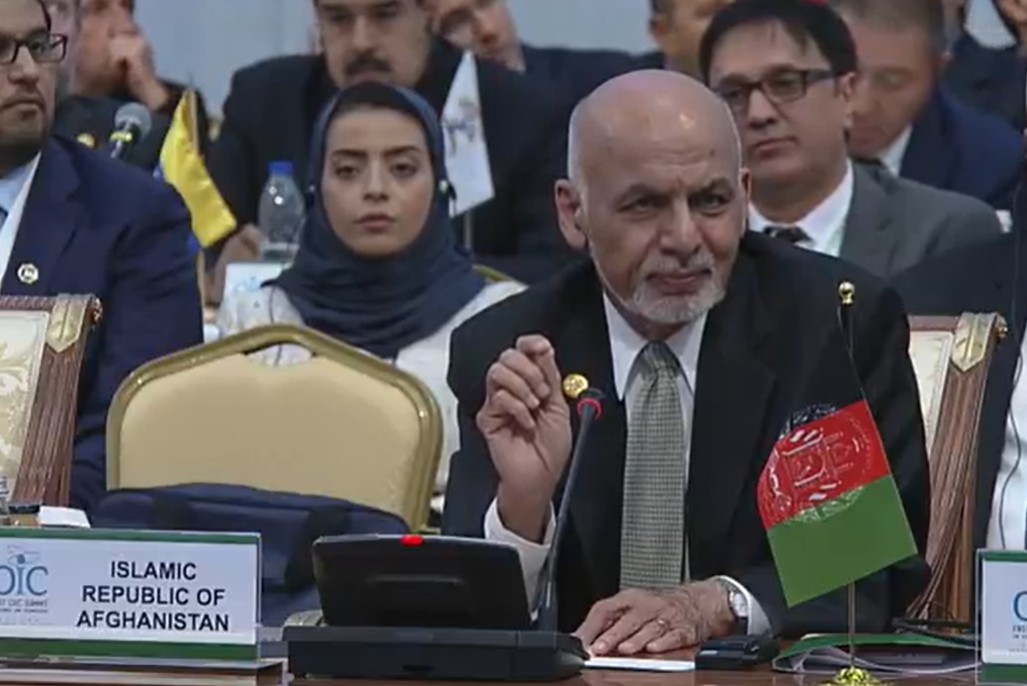
Speech at the First OIC Summit on Science and Technology, Astana, Kazakhstan
Keypoints:
- Managing Change: Addressing disruptive and transformative global shifts.
- Embracing Technology: Strategically integrating science and industrial innovation.
- Learning from History: Reclaiming Islamic contributions to knowledge and progress.
- Strategic Collaboration: Strengthening networks among OIC member states.
- Regional Connectivity: Linking South and Central Asia through infrastructure and tech.
- Education & Skills: Building capacity for innovation and scientific growth.
- Visionary Leadership: Guiding with foresight and creative policy-making.
- Global Engagement: Leveraging international partnerships for shared advancement.
Astana, Kazakhstan
Mr. Chairman, secretary general, distinguished heads of delegations,
We live in a context of change and uncertainty. First, destructive change; terrorism, political instability, environmental change are all affecting us in a destructive manner.
Second is disruptive change. The fourth industrial revolution is going to be deeply disruptive. It is not an act of celebration and welcoming, but a call and a warning that most of the jobs in the economic system that we are undertaking will actually be made obsolete. It requires careful understanding that the fourth industrial revolution does not become the source of social fear and displacement and instead becomes a way to nurture hope and belief in the future.
Third, Economic uncertainty is great, so in this context, the key message here is leading and managing creative change. If we do not learn from the past three industrial revolutions, we will be paying the price.
So, what are some of the key lessons? First; we, the Muslim World, were consumers of the first three industrial revolutions; we were not its producers, because of it, science and technology is alien to us rather than integral.
Second, we have not appropriated our past. Our own contribution to science and technology is largely forgotten, and it needs appropriation.
And third, regarding that very useful agenda, we must muster a sense of urgency. The issue of science and technology cannot be tactical; it has to be approached as a full strategic issue, and that means a full assessment of the current state of play, the key obstacles that prevent us from embracing science and technology, and an action plan that would allow us to learn from each other and move forward.
What is important in this is the need particularly on the one hand for political leadership to create the enabling cultural, political and social conditions, and second for the overhaul of our educational systems.
The opportunity presented by today is to create a network of networks. The Muslim World, the Muslim Civilization, has been a networked civilization. All of us are around this table because we have been participants and active members of these networks, but these networks now need to be harnessed for collective will, and that means identifying the priorities and learning from each other. I would particularly suggest those areas where particular members of the Ummah have taken the lead; learning between us is minimum. We need to increase those areas of mutual interaction so we can move forward.
Lastly, Afghanistan that has suffered from 40 years of conflict, invasion, and attacks on terrorism offers us a platform for the program that has been articulated. We are in the process of creating one of the widest fiber optics networks in the region to connect South Asia to Central Asia and equally connectivity to transfer about 15,000 megawatts of power from Central Asia to South Asia. We would be very keen on an internet that connects us and enables our scientific communities to work together.
Lastly, let me thank Kazakhstan, and the secretary general of the OIC for this exceptional measure and we wish you all the success.