Dr. Ashraf Ghani
Dr. Ashraf Ghani

Publications

12 Publications

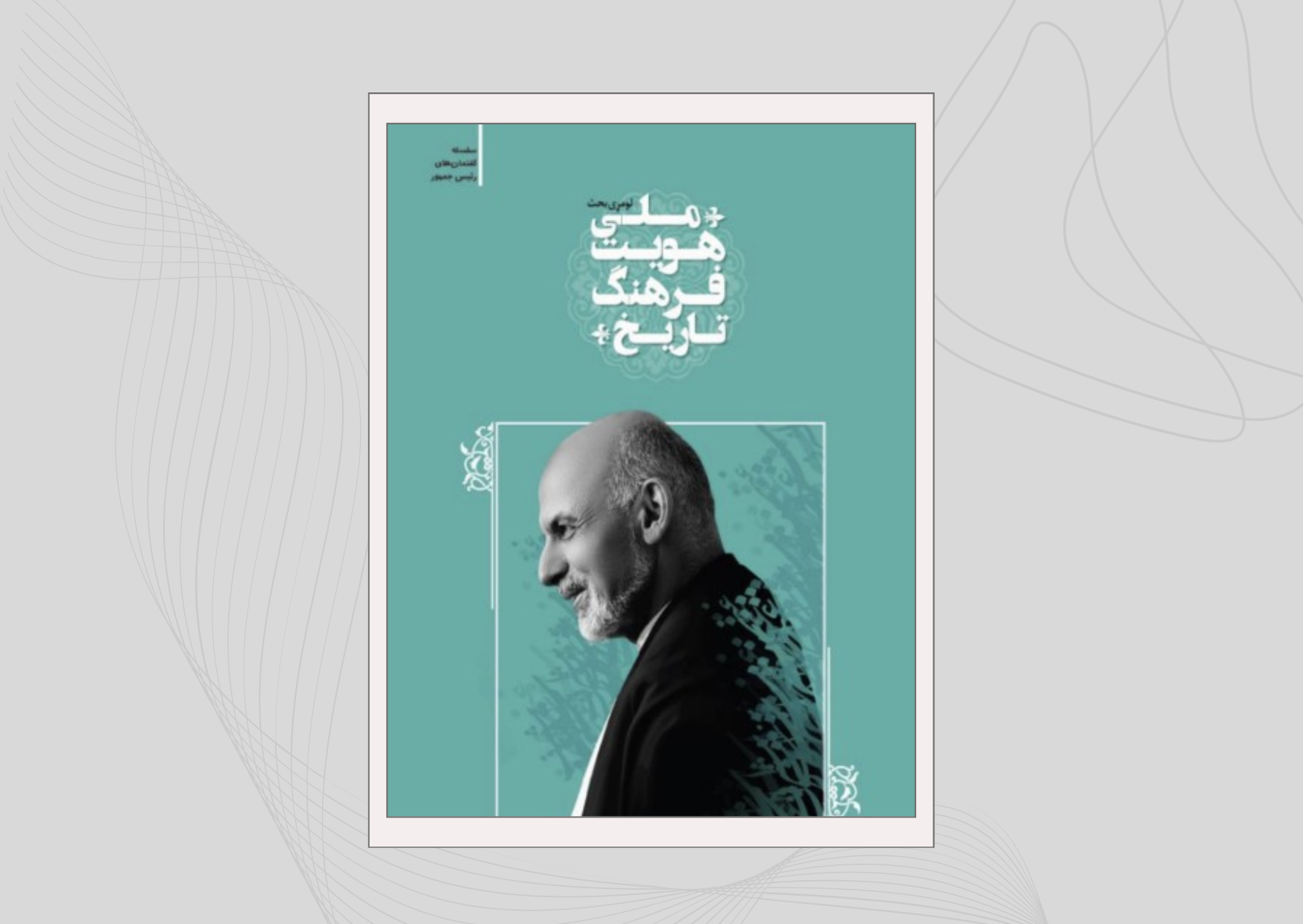
National Dialogue: History, Culture, and National Identity

National Dialogue: History, Culture, and National Identity

This book presents the full transcript of the first episode of National Dialogue, featuring President Ashraf Ghani’s dialogue with young citizens at Chancery Palace (ARG). Originally delivered in Dari and Pashto, the conversations have been translated to provide readers with accessible insight into Afghanistan’s contemporary challenges, aspirations, and national identity. Through candid discussions on history, culture, governance, and the role of youth in shaping the country’s future, this volume offers a unique window into the President’s vision and the voices of the nation’s emerging generation.

Read More → 📎 Download
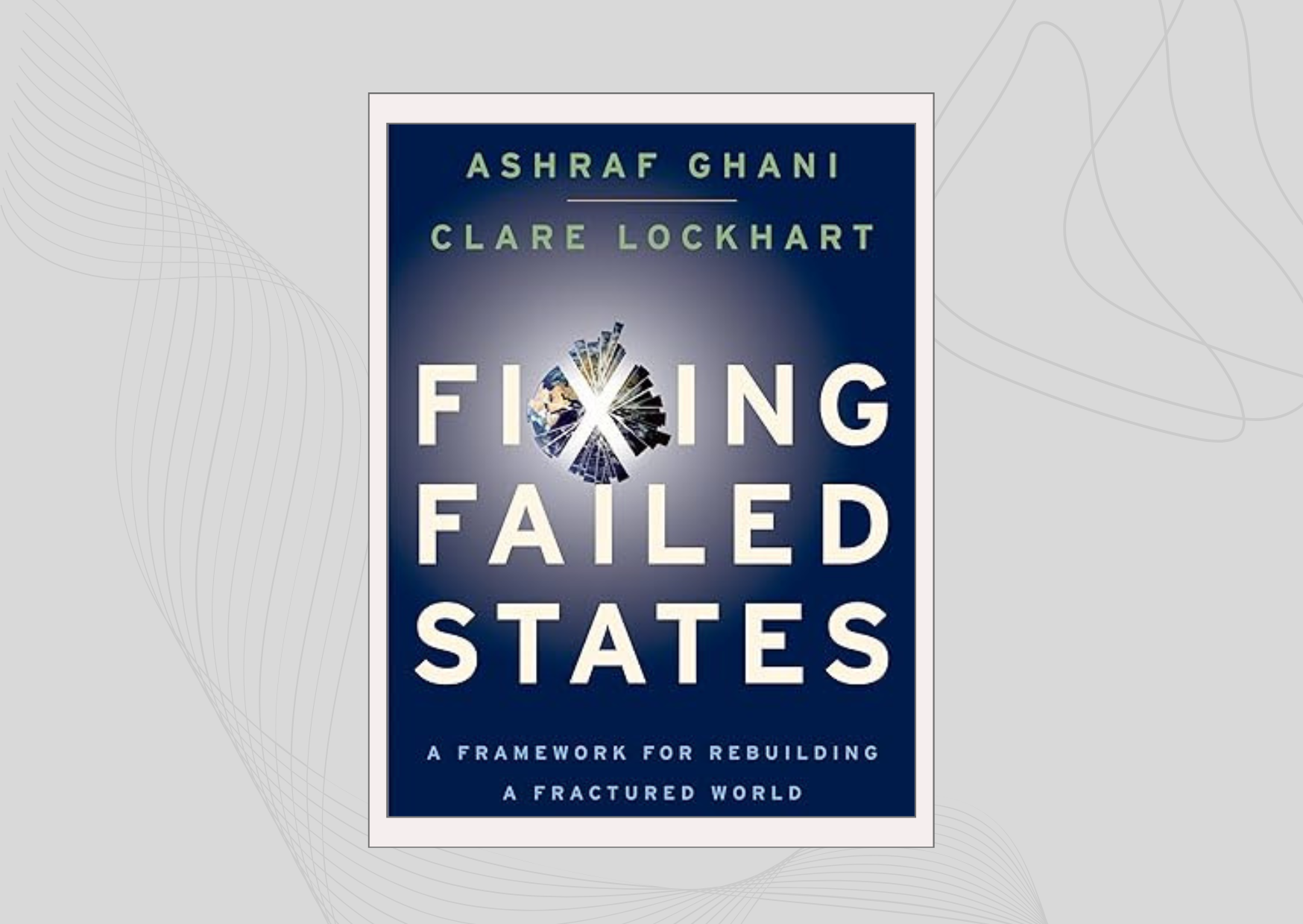
Fixing Failed States: A Framework for Rebuilding a Fractured World

Fixing Failed States: A Framework for Rebuilding a Fractured World

Fixing Failed States: A Framework for Rebuilding a Fractured World is a policy-focused book that examines why states collapse and offers practical strategies for rebuilding governance, security, and economic systems in fragile countries. Drawing on real-world case studies, it outlines a structured framework for restoring legitimacy, strengthening institutions, and fostering inclusive political participation to achieve long-term stability and peace.

Read More → 📎 Download
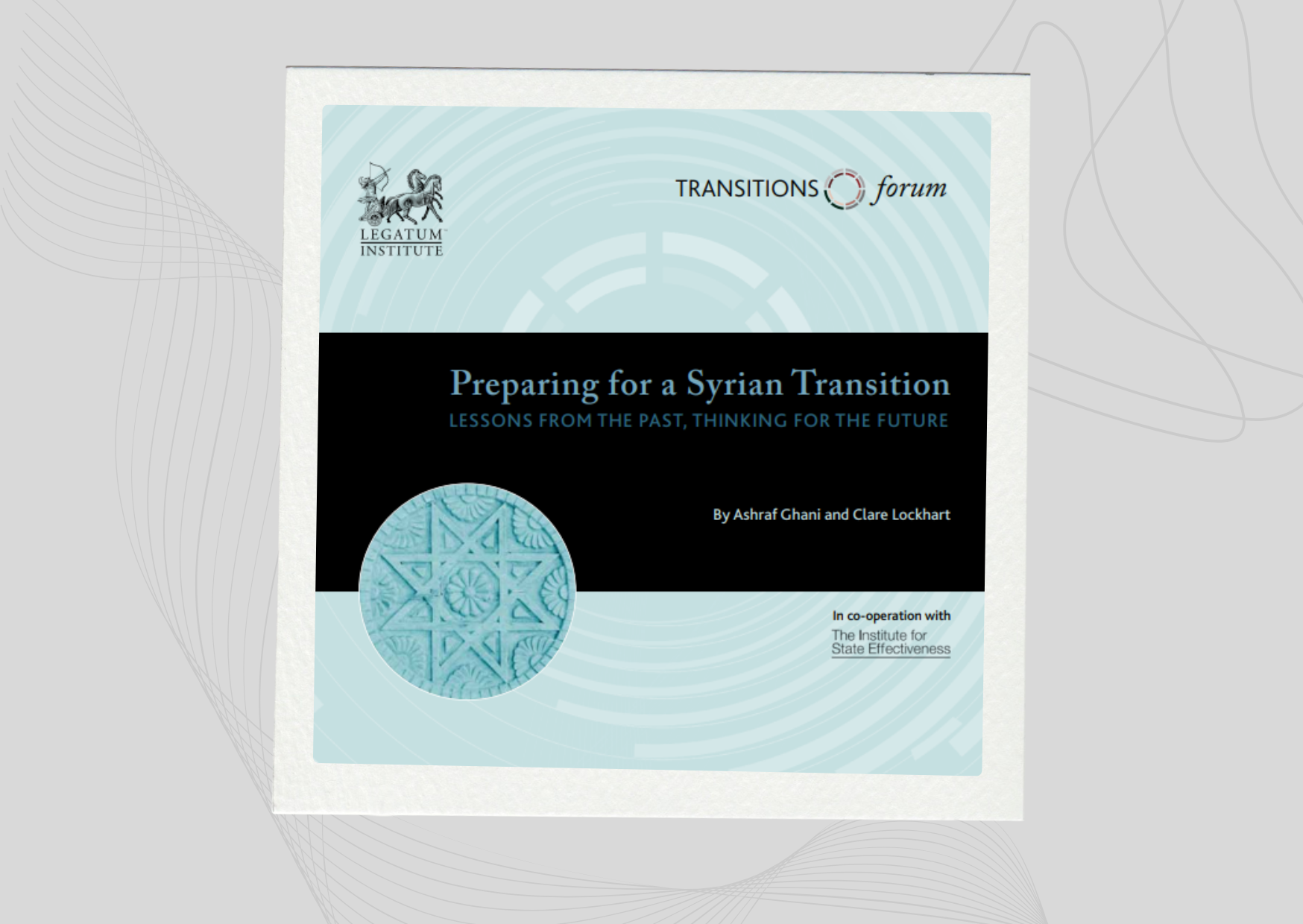
Preparing for a Syrian Transition: Lessons from the Past, Thinking for the Future

Preparing for a Syrian Transition: Lessons from the Past, Thinking for the Future

This policy analysis published in October 2012, applies the "State Effectiveness" framework to the Syrian conflict. At a time when the international community was focused primarily on the immediate fall of the regime, this paper argued for a proactive focus on institutional continuity to prevent the total collapse of the Syrian state. Core Objectives Preventing Institutional Collapse: Drawing on lessons from Iraq (2003) and Libya (2011), it warns against "De-Ba'athification" style policies that dismantle the civil service and security apparatus, which leads to long-term chaos. The Transition Compact: Proposing a framework where the opposition and the international community agree on a roadmap for governance before the transition occurs, ensuring a "day after" plan is in place. Economic Stabilization: Emphasizing the need for a "Market-Building" strategy to stabilize the Syrian Pound and ensure the flow of basic commodities (bread, fuel, water) to maintain social order. Inclusive Citizenship: Stressing that a post-transition Syria must be built on a legal framework of citizenship that protects all ethnic and religious minorities (Alawites, Sunnis, Kurds, Christians) to avoid sectarian fragmentation.

Read More → 📎 Download
A Framework for a New Silk Road in Asia | REPORT II

A Framework for a New Silk Road in Asia | REPORT II

Report II served as the operational and technical manual. It moved the conversation from "why" connectivity matters to exactly "how" it can be financed, built, and sustained. It transformed a strategic concept into a bankable investment plan. Core ObjectivesThe Transition to Investment: Moving beyond international grants by proposing Public-Private Partnerships (PPPs) and regional financing models to fund massive infrastructure gaps. The Six Pillars of Connectivity: Categorizing the "Silk Road" into functional sectors: Transport (rail/road), Energy (pipelines/grids), Mining (resource-linked transit), Trade Facilitation (customs), Information Technology (fiber optics), and Human Capital. Soft Infrastructure & Harmonization: Standardizing customs laws and transit treaties (like APTTA) to ensure that legal barriers do not stop the physical movement of goods across borders. Economic Security: Creating a "vested interest" among neighbors by making them dependent on the energy and trade flowing through Afghanistan, thereby incentivizing regional peace. Strategic ImportanceReport II provided the technical data and project lists that fueled the RECCA (Regional Economic Cooperation Conference on Afghanistan) process. It was the blueprint used to pitch projects like CASA-1000 and the Five Nations Railway to international investors, shifting the global narrative from "security assistance" to "infrastructure investment."

Read More → 📎 Download
A Framework for a New Silk Road in Asia | REPORT I

A Framework for a New Silk Road in Asia | REPORT I

This report, authored in 2011, serves as the strategic blueprint for transforming Afghanistan from a "land-locked" country into a "land-linked" roundabout for Asia. It transitions the narrative of the Silk Road from a historical myth into a modern economic framework based on infrastructure, energy corridors, and trade stabilization. Core Objectives Regional Connectivity: Positioning Afghanistan as the central transit hub connecting Central Asia’s energy and minerals with South Asia’s growing markets. Infrastructure as State-Building: Proposing large-scale investments in railways, fiber optics, and pipelines (such as TAPI) to create a self-sustaining economy. Market Building: Moving away from a donor-dependent model toward a private-sector-led growth strategy that integrates regional trade. Stability through Prosperity: Arguing that long-term regional peace is dependent on mutual economic interests rather than just military security. Strategic Importance This report laid the intellectual foundation for the policies later pursued during your presidency, specifically the "Five Circles of Foreign Policy" and the "Lapis Lazuli Corridor." It remains a key document for understanding the shift toward Market Building as a tool for national sovereignty.

Read More → 📎 Download
Citizenship

Citizenship

This document, published by the Institute for State Effectiveness (ISE) in March 2007, serves as a strategic framework for redefining the relationship between the state and its people. It argues that citizenship is not merely a legal status but the primary mechanism for building a stable, accountable, and sovereign state. Core Objectives The State-Citizen Compact: Redefining citizenship as a "two-way street" where the state provides security, law, and services, and in return, citizens provide legitimacy, taxes, and participation. Defining the Rights and Obligations: Moving beyond abstract rights to practical obligations. It emphasizes that a functional state must guarantee the safety and economic agency of its citizens to earn their loyalty. Inclusive Identity: Proposing a framework for inclusive citizenship that transcends ethnic, tribal, or sectarian divides, establishing a national identity rooted in shared legal rights and responsibilities. Citizenship as an Economic Asset: Viewing the citizen as the primary driver of the economy. By investing in human capital (health and education), the state transforms its population from a "burden" into its greatest resource.

Read More → 📎 Download
An Agenda for State-Building in the Twenty-First Century

An Agenda for State-Building in the Twenty-First Century

This framework redefines the concept of a "failed state," moving away from viewing it solely as a security crisis toward understanding it as a functional failure. Instead of focusing on external military interventions, this strategy emphasizes the creation of a "Sovereignty Strategy"—the internal capacity of a state to perform its essential duties. Core ObjectivesThe Sovereignty Gap: This is the disconnect between a state’s legal sovereignty (its recognition by the UN and other nations) and its functional sovereignty (its actual ability to provide safety, law, and services to its people). State-building aims to close this gap. The 10 Functions of the State: To be legitimate and stable, a modern state must master ten core functions, including: Maintaining the rule of law and a legitimate monopoly on the use of force. Sound administrative and financial management. Investment in human capital (education and health). Market building and physical infrastructure. Provision of social safety nets for the vulnerable. Institutional Transformation: A crucial distinction is made between "nation-building" and "state-building." While nations evolve organically over centuries, state-building is the deliberate act of constructing effective institutions—the "plumbing" of government—that allow a society to function. Citizenship-Centered Governance: The state's role is transformed from an instrument of control into a facilitator. By guaranteeing rights and creating economic opportunities, the state empowers its citizens to become the primary drivers of national development.

Read More → 📎 Download
Closing the Sovereignty Gap: An Approach to State-Building

Closing the Sovereignty Gap: An Approach to State-Building

This strategic framework, published in 2005, addresses the critical disconnect between a state's international recognition and its actual ability to govern. It posits that global stability is threatened not by strong states, but by states that possess legal sovereignty (a seat at the UN) but lack functional sovereignty (the capacity to protect their borders and serve their citizens). Core Objectives Bridging the Gap: Identifying the "Sovereignty Gap"—the space where the state fails to perform its essential duties, leading to corruption, violence, and dependency on foreign aid. A New Compact: Moving toward a "Double Compact" where the state is simultaneously accountable to its citizens for service delivery and to the international community for transparency and security. The State as a System: Defining the state as a collection of integrated functions—such as financial management, rule of law, and market building—rather than just a political or military entity. Operationalizing Sovereignty: Proposing a concrete roadmap for leaders to build institutional capacity, ensuring that sovereignty is "earned" through performance rather than just granted by treaty. Strategic Importance This document became the theoretical backbone for international development policy in post-conflict zones. It shifted the global focus from "short-term humanitarian aid" to "long-term institutional reform." For Afghanistan, it provided the logic for the National Solidarity Program (NSP) and other reforms aimed at creating a direct, accountable link between the central government and the local citizenry.

Read More → 📎 Download
Global Compact or Divided World?

Global Compact or Divided World?

This strategic framework, originally presented in September 2005, addresses the critical choice facing the international community: whether to create a structured Global Compact to stabilize fragile states or risk a Divided World characterized by instability, poverty, and cross-border threats. Core Objectives The Double Compact: Proposing a two-layered agreement: Internal Compact: Between a government and its citizens (services in exchange for legitimacy). External Compact: Between the state and the international community (transparency and reform in exchange for long-term investment). Beyond Humanitarianism: Arguing that "aid" is a temporary fix. Instead, the focus must shift to State-Building, creating institutions that allow a country to eventually manage its own economy and security. Shared Responsibility: Postulating that the failure of one state affects the security of the entire globe. Therefore, building effective states is a global necessity, not an act of charity. Co-financing and Alignment: Encouraging international donors to align their funds with national priorities rather than running parallel, uncoordinated projects that weaken the state.

Read More → 📎 Download
Stability, State-Building and Development Assistance: An Outside Perspective

Stability, State-Building and Development Assistance: An Outside Perspective

This strategic paper, published in 2005, provides a critical "outside perspective" on the failures of the international aid system. It argues that the prevailing model of development assistance often undermines the very states it intends to help by creating parallel systems of governance and bypassing national institutions. Core Objectives The Problem of Parallel Governance: Critiquing how NGOs and international agencies create a "second civil service" that drains talent away from the national government, thereby weakening the state's capacity. Defining Stability: Redefining stability not as the absence of war, but as the presence of effective institutions capable of managing conflict and providing predictable rules for the economy. Alignment and Harmonization: Calling for development assistance to be aligned with national priorities. It argues that donors should move from fragmented projects to programmatic support that builds the state's central treasury and administrative systems. The "Double Compact" Logic: Reaffirming that aid should be a tool for creating a contract between the state and its citizens, rather than a perpetual umbilical cord to international donors.

Read More → 📎 Download
State-building in Fragile and Conflict-affected Conditions

State-building in Fragile and Conflict-affected Conditions

The paper argues that the instability of the 21st century is rooted in a "crisis of governance" where citizens lose trust in their state. It moves away from short-term humanitarian "aid" toward a long-term "State-building Agenda." The central thesis is that a state is only legitimate when it can bridge the gap between its international legal recognition and its actual ability to perform core functions for its people. Key Pillars of the Paper The Ten Functions of the State: The authors identify ten essential tasks that a state must perform simultaneously to be effective. These range from maintaining a monopoly on the means of violence and the rule of law to managing public finances, investing in human capital, and creating a market. The Sovereignty Gap: It identifies the "gap" as the space where a state fails to perform its duties, leading to corruption, criminality, and reliance on foreign actors. The goal of state-building is to "close" this gap. The Double Compact: A proposed strategy where the state enters into two simultaneous agreements: With its Citizens: Providing security and services in exchange for taxes and legitimacy. With the International Community: Ensuring transparency and reform in exchange for predictable, long-term investment. Simultaneous Transitions: The paper emphasizes that states must manage multiple transitions at once—political, economic, and administrative—rather than focusing on just one area (like elections) at the expense of others (like financial management).

Read More → 📎 Download
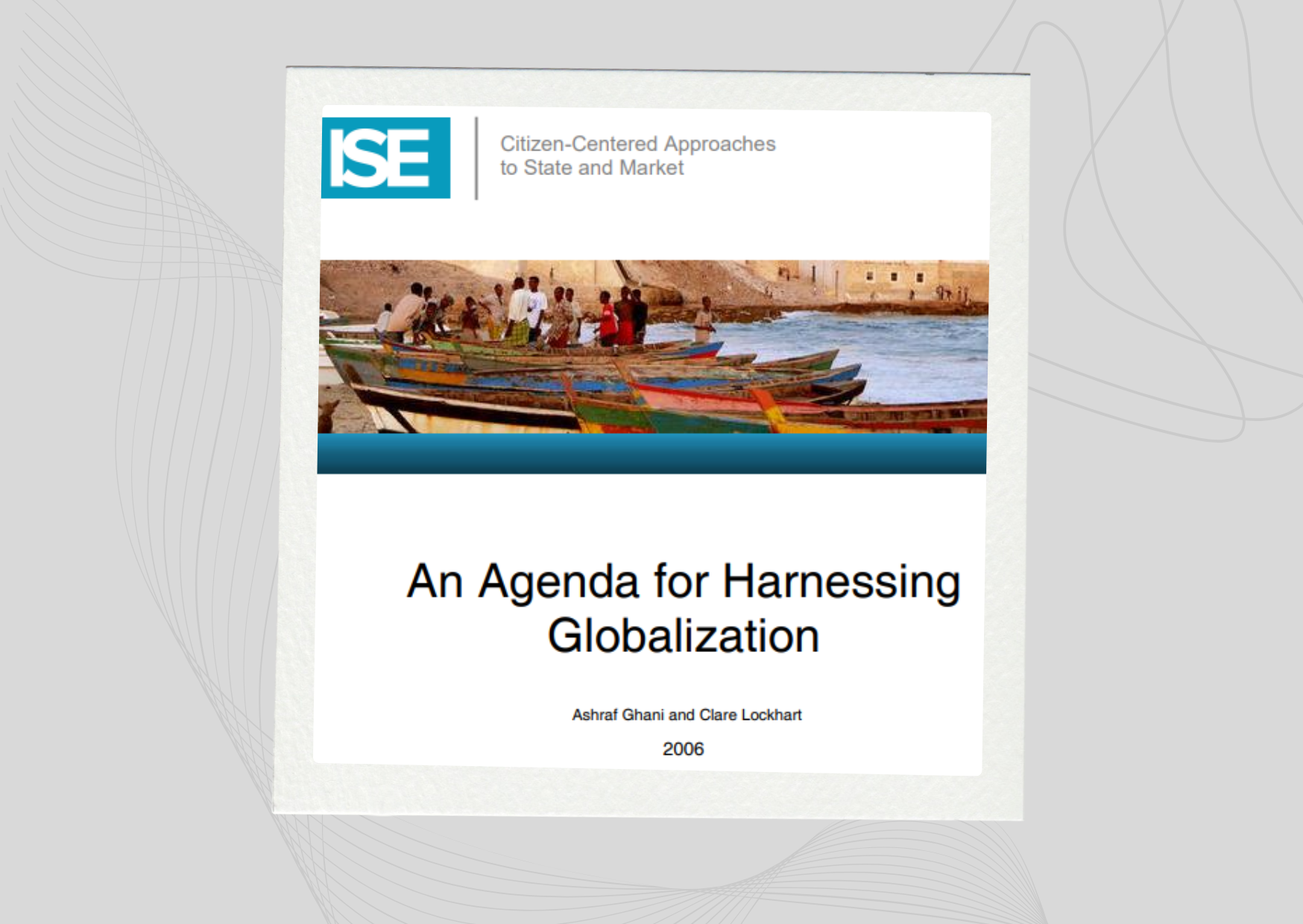
An Agenda for Harnessing Globalization

An Agenda for Harnessing Globalization

The paper posits that the "digital divide" and "economic marginalization" are not inevitable outcomes of globalization, but rather results of institutional failure. The central thesis is that for a country to benefit from the global market, it must first build a "Capable State" that can act as a filter and a bridge between the local economy and global networks. Key Pillars of the Paper From "Land-Locked" to "Land-Linked": A major theme is the transformation of geographical disadvantages into advantages. It suggests that fragile states should position themselves as regional hubs for transit, trade, and energy to harness the wealth of their neighbors. The Rules of the Game: The paper emphasizes that globalization is governed by complex international rules (WTO, intellectual property, etc.). It argues that states must invest in "knowledge workers"—lawyers, accountants, and managers—who can negotiate and protect national interests in global forums. Attracting Private Capital: Instead of relying on dwindling foreign aid, the agenda focuses on creating a predictable legal environment (Rule of Law) that makes a country attractive for Foreign Direct Investment (FDI). Managing the "Dark Side": It addresses the "globalization of misery," including the cross-border flow of terrorism, drugs, and human trafficking. The "harnessing" aspect involves strengthening border controls and financial intelligence to prevent a state from being consumed by the global illicit economy.

Read More → 📎 Download