March 14, 2024
Episode 9: Our Location (Part II)
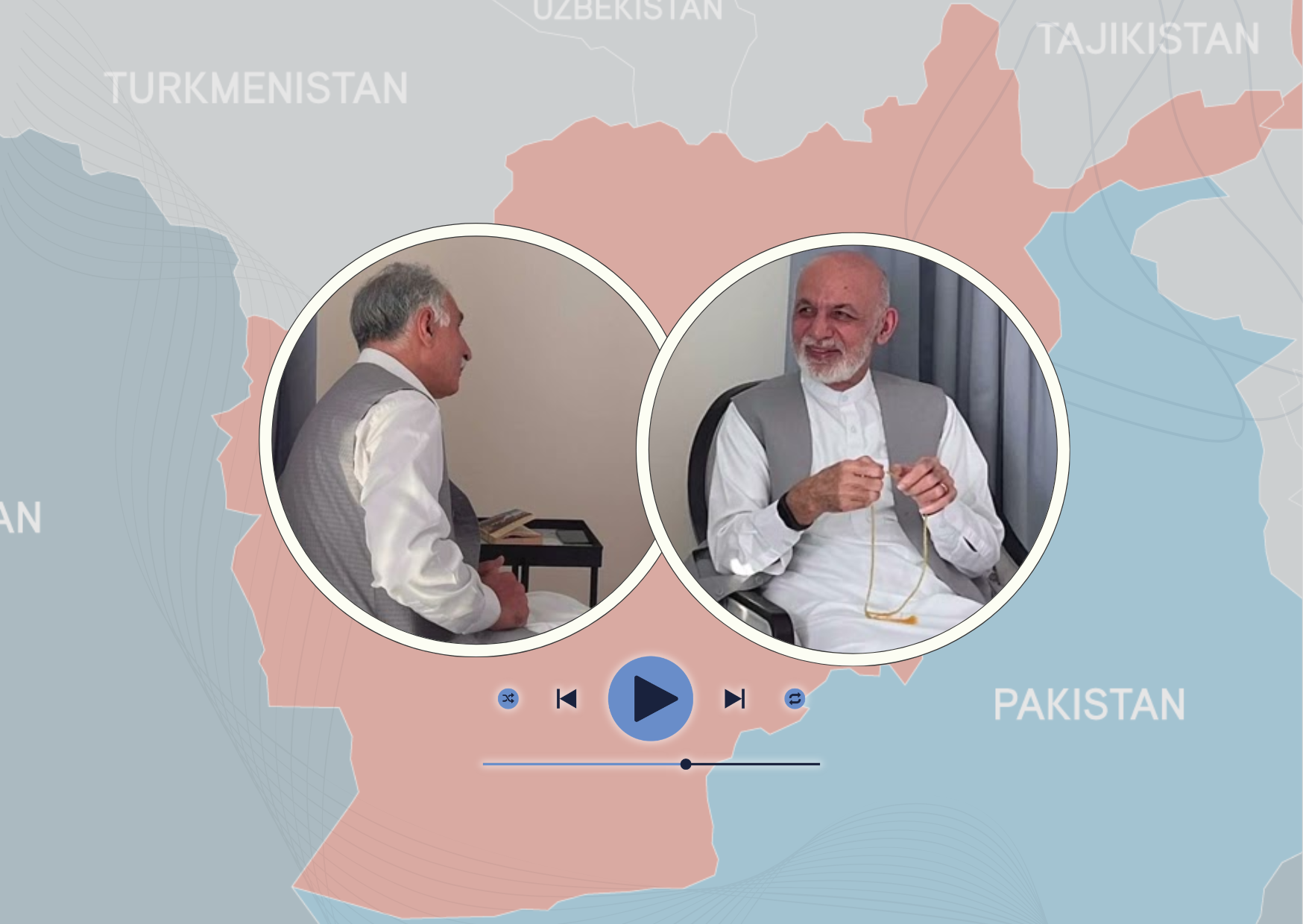
This podcast discusses transforming Afghanistan from a landlocked nation into a regional connectivity hub within a rising Asian economy. It emphasizes that the country’s geography offers immense potential for green energy production (solar, wind, and hydro) and the transit of minerals and power between Central and South Asia. However this "heart of Asia" potential can only be realized through political legitimacy, national stability, and a formal economy, noting that without these, Afghanistan faces international isolation while neighboring countries develop alternative corridors.
Transcript
<p data-path-to-node="0">This podcast provides a deep dive into the concept of <strong data-path-to-node="0" data-index-in-node="104">"Economic Geography,"</strong> arguing that Afghanistan's value is no longer just its military strategic location but its potential as a regional bridge.</p>
<h4 data-path-to-node="1">1. The Historical Context: The Return of Asia</h4>
<p data-path-to-node="2">Ghani asserts that the global economic center is shifting back to its 18th-century roots, where Asia (specifically China and India) held 40% of the world's wealth. He critiques the Eurocentric view of history, stating that economic dynamism is not exclusive to Western civilization. Afghanistan, positioned at the center of this shift, must decide whether to be an active participant or remain isolated.</p>
<h4 data-path-to-node="3">2. Infrastructure as the "New Silk Road"</h4>
<p data-path-to-node="4">The discussion highlights how modern technology has "shrunk" Asia. Ghani identifies four critical types of connectivity that can transform Afghanistan:</p>
<ul data-path-to-node="5">
<li>
<p data-path-to-node="5,0,0"><strong data-path-to-node="5,0,0" data-index-in-node="0">Energy Corridors:</strong> Projects like <strong data-path-to-node="5,0,0" data-index-in-node="32">TAPI</strong> (gas) and <strong data-path-to-node="5,0,0" data-index-in-node="47">CASA-1000</strong> (electricity) to move energy from Central Asia's surplus to South Asia's demand.</p>
</li>
<li>
<p data-path-to-node="5,1,0"><strong data-path-to-node="5,1,0" data-index-in-node="0">Green Energy Potential:</strong> Afghanistan has the capacity for <strong data-path-to-node="5,1,0" data-index-in-node="57">22,000 MW</strong> of hydropower and massive wind/solar potential, which could fuel a "Green Industry."</p>
</li>
<li>
<p data-path-to-node="5,2,0"><strong data-path-to-node="5,2,0" data-index-in-node="0">The "Mendeleev Table":</strong> He references a Russian geologist who described Afghanistan's vast deposits of rare earth minerals—essential for the global shift to green tech—as a "hidden treasure" for future generations.</p>
</li>
<li>
<p data-path-to-node="5,3,0"><strong data-path-to-node="5,3,0" data-index-in-node="0">Transit Links:</strong> Railroads connecting Central Asia through Afghanistan to the ports of <strong data-path-to-node="5,3,0" data-index-in-node="85">Chabahar</strong> (Iran) and <strong data-path-to-node="5,3,0" data-index-in-node="105">Karachi</strong> (Pakistan).</p>
</li>
</ul>
<h4 data-path-to-node="6">3. Overcoming "Natural Barriers"</h4>
<p data-path-to-node="7">Addressing the host's concern about Afghanistan being landlocked and mountainous, Ghani argues these are surmountable through:</p>
<ul data-path-to-node="8">
<li>
<p data-path-to-node="8,0,0"><strong data-path-to-node="8,0,0" data-index-in-node="0">Air Corridors:</strong> Utilizing massive airbases like Bagram and Shindand as global logistics hubs.</p>
</li>
<li>
<p data-path-to-node="8,1,0"><strong data-path-to-node="8,1,0" data-index-in-node="0">Value-Added Exports:</strong> Moving from exporting raw materials (like pine nuts to Pakistan) to finished goods (pine nuts directly to Germany) to capture the "value chain."</p>
</li>
</ul>
<h4 data-path-to-node="9">4. The Path Forward: Stability vs. Isolation</h4>
<p data-path-to-node="10">Ghani concludes with a stark warning. Afghanistan’s location is a "double-edged sword":</p>
<ul data-path-to-node="11">
<li>
<p data-path-to-node="11,0,0"><strong data-path-to-node="11,0,0" data-index-in-node="0">The Risk:</strong> Choosing an "illegal or criminal economy" will lead to international isolation and "gradual death" as neighbors build corridors <em data-path-to-node="11,0,0" data-index-in-node="138">around</em> Afghanistan.</p>
</li>
<li>
<p data-path-to-node="11,1,0"><strong data-path-to-node="11,1,0" data-index-in-node="0">The Solution:</strong> Establishing <strong data-path-to-node="11,1,0" data-index-in-node="27">political legitimacy</strong> and a transparent, formal economy to attract the long-term investment (10–15 year cycles) needed for infrastructure. He stresses that "poverty is not a destiny" and that the country must stop relying on "donations and tents" (charity) and instead leverage its own assets.</p>
</li>
</ul>
<h4 data-path-to-node="1">1. The Historical Context: The Return of Asia</h4>
<p data-path-to-node="2">Ghani asserts that the global economic center is shifting back to its 18th-century roots, where Asia (specifically China and India) held 40% of the world's wealth. He critiques the Eurocentric view of history, stating that economic dynamism is not exclusive to Western civilization. Afghanistan, positioned at the center of this shift, must decide whether to be an active participant or remain isolated.</p>
<h4 data-path-to-node="3">2. Infrastructure as the "New Silk Road"</h4>
<p data-path-to-node="4">The discussion highlights how modern technology has "shrunk" Asia. Ghani identifies four critical types of connectivity that can transform Afghanistan:</p>
<ul data-path-to-node="5">
<li>
<p data-path-to-node="5,0,0"><strong data-path-to-node="5,0,0" data-index-in-node="0">Energy Corridors:</strong> Projects like <strong data-path-to-node="5,0,0" data-index-in-node="32">TAPI</strong> (gas) and <strong data-path-to-node="5,0,0" data-index-in-node="47">CASA-1000</strong> (electricity) to move energy from Central Asia's surplus to South Asia's demand.</p>
</li>
<li>
<p data-path-to-node="5,1,0"><strong data-path-to-node="5,1,0" data-index-in-node="0">Green Energy Potential:</strong> Afghanistan has the capacity for <strong data-path-to-node="5,1,0" data-index-in-node="57">22,000 MW</strong> of hydropower and massive wind/solar potential, which could fuel a "Green Industry."</p>
</li>
<li>
<p data-path-to-node="5,2,0"><strong data-path-to-node="5,2,0" data-index-in-node="0">The "Mendeleev Table":</strong> He references a Russian geologist who described Afghanistan's vast deposits of rare earth minerals—essential for the global shift to green tech—as a "hidden treasure" for future generations.</p>
</li>
<li>
<p data-path-to-node="5,3,0"><strong data-path-to-node="5,3,0" data-index-in-node="0">Transit Links:</strong> Railroads connecting Central Asia through Afghanistan to the ports of <strong data-path-to-node="5,3,0" data-index-in-node="85">Chabahar</strong> (Iran) and <strong data-path-to-node="5,3,0" data-index-in-node="105">Karachi</strong> (Pakistan).</p>
</li>
</ul>
<h4 data-path-to-node="6">3. Overcoming "Natural Barriers"</h4>
<p data-path-to-node="7">Addressing the host's concern about Afghanistan being landlocked and mountainous, Ghani argues these are surmountable through:</p>
<ul data-path-to-node="8">
<li>
<p data-path-to-node="8,0,0"><strong data-path-to-node="8,0,0" data-index-in-node="0">Air Corridors:</strong> Utilizing massive airbases like Bagram and Shindand as global logistics hubs.</p>
</li>
<li>
<p data-path-to-node="8,1,0"><strong data-path-to-node="8,1,0" data-index-in-node="0">Value-Added Exports:</strong> Moving from exporting raw materials (like pine nuts to Pakistan) to finished goods (pine nuts directly to Germany) to capture the "value chain."</p>
</li>
</ul>
<h4 data-path-to-node="9">4. The Path Forward: Stability vs. Isolation</h4>
<p data-path-to-node="10">Ghani concludes with a stark warning. Afghanistan’s location is a "double-edged sword":</p>
<ul data-path-to-node="11">
<li>
<p data-path-to-node="11,0,0"><strong data-path-to-node="11,0,0" data-index-in-node="0">The Risk:</strong> Choosing an "illegal or criminal economy" will lead to international isolation and "gradual death" as neighbors build corridors <em data-path-to-node="11,0,0" data-index-in-node="138">around</em> Afghanistan.</p>
</li>
<li>
<p data-path-to-node="11,1,0"><strong data-path-to-node="11,1,0" data-index-in-node="0">The Solution:</strong> Establishing <strong data-path-to-node="11,1,0" data-index-in-node="27">political legitimacy</strong> and a transparent, formal economy to attract the long-term investment (10–15 year cycles) needed for infrastructure. He stresses that "poverty is not a destiny" and that the country must stop relying on "donations and tents" (charity) and instead leverage its own assets.</p>
</li>
</ul>