March 13, 2025
Episode 34: Electricity (Part II)
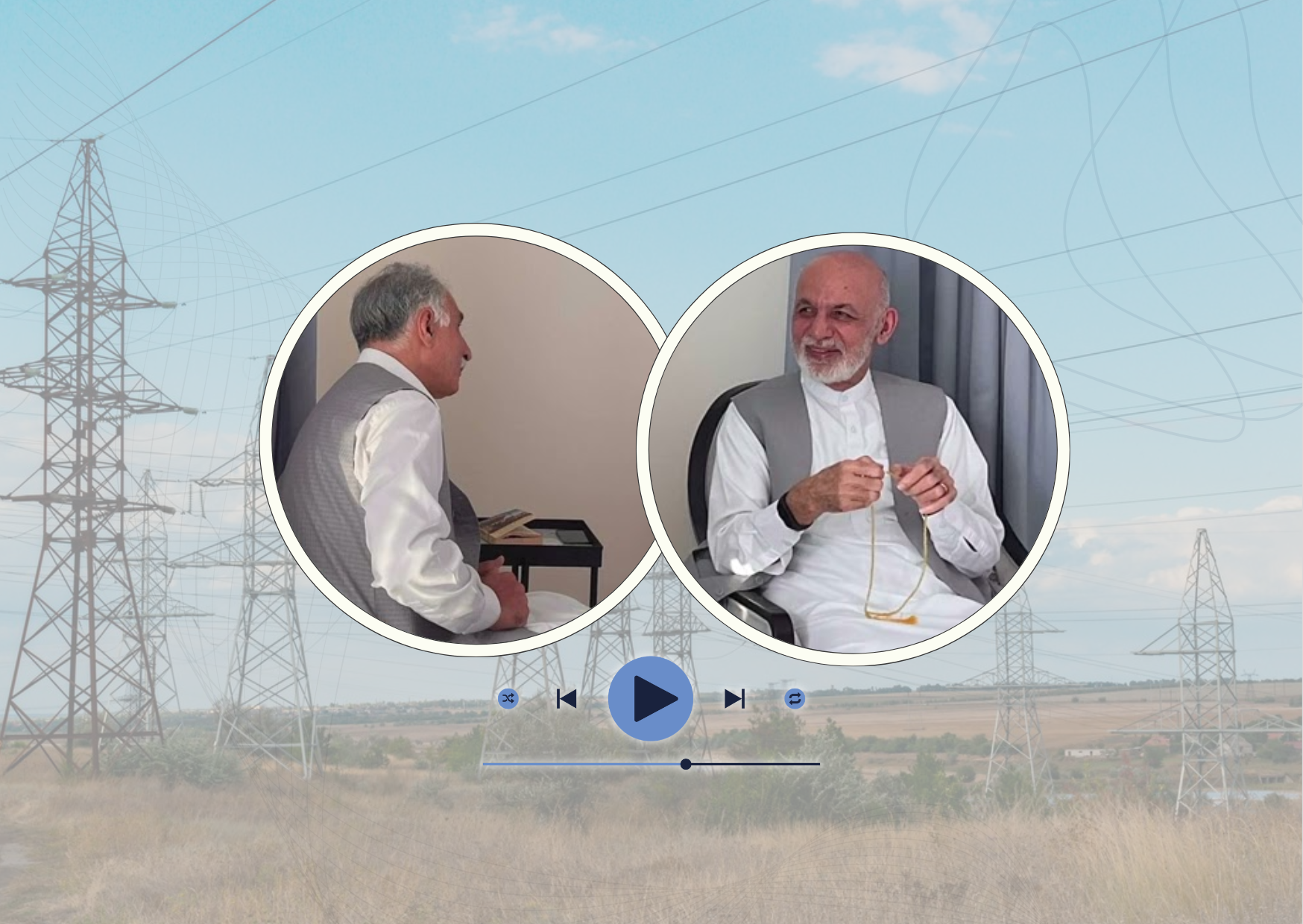
This podcast continues our exploration of electricity in Afghanistan, delving into energy production, transmission, and distribution. We discuss various power sources—hydro, solar, wind, gas, and diesel—along with the history of both large and small-scale projects. The episode also examines connecting urban and rural areas, building a national energy network, and managing resources efficiently, while considering climate change, environmental impacts, and long-term national and regional development.
Transcript
<p data-path-to-node="0">This episode delves into the technical, historical, and strategic evolution of Afghanistan's energy sector, moving from the general history of electrification to the "mechanics of power"—specifically modes of production, the engineering of transmission, and the socio-political challenges of distribution.</p>
<hr data-path-to-node="1">
<h4 data-path-to-node="3"><strong data-path-to-node="3" data-index-in-node="0">1. The Diversity of Energy Production</strong></h4>
<p data-path-to-node="4">The discussion challenges the traditional 20th-century notion that hydroelectricity is the only viable path for the country, categorizing energy sources into three distinct frameworks:</p>
<ul data-path-to-node="5">
<li>
<p data-path-to-node="5,0,0"><strong data-path-to-node="5,0,0" data-index-in-node="0">Carbon-Based Legacy:</strong> The historical reliance on coal and gas, specifically highlighting the <strong data-path-to-node="5,0,0" data-index-in-node="92">Shiberghan gas fields</strong> and the <strong data-path-to-node="5,0,0" data-index-in-node="122">Mazar-i-Sharif Fertilizer and Power Plant (Kud-o-Barq)</strong>, which served as a major industrial pillar.</p>
</li>
<li>
<p data-path-to-node="5,1,0"><strong data-path-to-node="5,1,0" data-index-in-node="0">Hydroelectric Evolution:</strong> A review of major projects from <strong data-path-to-node="5,1,0" data-index-in-node="57">Jabal al-Saraj</strong> to <strong data-path-to-node="5,1,0" data-index-in-node="75">Kajaki</strong>, <strong data-path-to-node="5,1,0" data-index-in-node="83">Naghlu</strong>, and <strong data-path-to-node="5,1,0" data-index-in-node="95">Mahipar</strong>. The episode notes technical hurdles of the past, such as the siltation (sand accumulation) issues at Mahipar that threatened turbine efficiency.</p>
</li>
<li>
<p data-path-to-node="5,2,0"><strong data-path-to-node="5,2,0" data-index-in-node="0">The Renewable Future:</strong> An analysis of massive potential in <strong data-path-to-node="5,2,0" data-index-in-node="58">Solar</strong> and <strong data-path-to-node="5,2,0" data-index-in-node="68">Wind</strong> energy. While neighboring countries have significant capacity, the episode highlights that Afghanistan's "120-day winds" in the western regions represent a world-class energy reserve.</p>
</li>
</ul>
<h4 data-path-to-node="6"><strong data-path-to-node="6" data-index-in-node="0">2. Engineering Transitions: From Dams to Networks</strong></h4>
<p data-path-to-node="7">A significant focus is placed on the shift from traditional infrastructure to modern engineering:</p>
<ul data-path-to-node="8">
<li>
<p data-path-to-node="8,0,0"><strong data-path-to-node="8,0,0" data-index-in-node="0">In-Stream Turbines:</strong> The evolution away from massive, environmentally disruptive dams toward placing turbines directly in high-velocity rivers like the <strong data-path-to-node="8,0,0" data-index-in-node="151">Kunar</strong> and <strong data-path-to-node="8,0,0" data-index-in-node="161">Helmand</strong>.</p>
</li>
<li>
<p data-path-to-node="8,1,0"><strong data-path-to-node="8,1,0" data-index-in-node="0">The "National Grid" Concept:</strong> The explanation that electricity is not a series of isolated "islands" but a <strong data-path-to-node="8,1,0" data-index-in-node="106">Value Chain</strong>. Transmission lines can lose significant energy if not managed through a unified national network.</p>
</li>
<li>
<p data-path-to-node="8,2,0"><strong data-path-to-node="8,2,0" data-index-in-node="0">Small-Scale Innovation:</strong> The success of community-led programs in bringing micro-solar and micro-hydro power to remote villages, providing rural areas with their first access to modern lighting and tools.</p>
</li>
</ul>
<h4 data-path-to-node="9"><strong data-path-to-node="9" data-index-in-node="0">3. Geopolitics and the "Energy Bridge"</strong></h4>
<p data-path-to-node="10">The conversation explores how energy serves as a tool for regional diplomacy:</p>
<ul data-path-to-node="11">
<li>
<p data-path-to-node="11,0,0"><strong data-path-to-node="11,0,0" data-index-in-node="0">Transit Hub Vision:</strong> Transforming the country into a transit corridor for Central Asian power heading to South Asian markets through projects like <strong data-path-to-node="11,0,0" data-index-in-node="146">CASA-1000</strong> and <strong data-path-to-node="11,0,0" data-index-in-node="160">TAP</strong>.</p>
</li>
<li>
<p data-path-to-node="11,1,0"><strong data-path-to-node="11,1,0" data-index-in-node="0">Regional Cooperation:</strong> The strategic proposal to use energy as a means to foster peace, suggesting that electricity could be traded across borders to create shared economic interests.</p>
</li>
</ul>
<h4 data-path-to-node="12"><strong data-path-to-node="12" data-index-in-node="0">4. Challenges in Infrastructure Planning</strong></h4>
<p data-path-to-node="13">The episode candidly addresses the "politicization of infrastructure," specifically the tensions surrounding the routing of major transmission lines (such as the <strong data-path-to-node="13" data-index-in-node="162">500kV line</strong>). It examines the friction between:</p>
<ul data-path-to-node="14">
<li>
<p data-path-to-node="14,0,0"><strong data-path-to-node="14,0,0" data-index-in-node="0">Technical Logic:</strong> Choosing the shortest, most cost-effective routes (like the Salang or Ghorband).</p>
</li>
<li>
<p data-path-to-node="14,1,0"><strong data-path-to-node="14,1,0" data-index-in-node="0">Socio-Political Equity:</strong> Addressing historical deprivations in central regions like Bamiyan.</p>
</li>
</ul>
<hr data-path-to-node="15">
<h3 data-path-to-node="16"><strong data-path-to-node="16" data-index-in-node="3">Key Historical & Technical Figures</strong></h3>
<ul data-path-to-node="17">
<li>
<p data-path-to-node="17,0,0"><strong data-path-to-node="17,0,0" data-index-in-node="0">A.C. Jewett:</strong> The American engineer who pioneered early 20th-century projects.</p>
</li>
<li>
<p data-path-to-node="17,1,0"><strong data-path-to-node="17,1,0" data-index-in-node="0">Abdul Majid Zabuli:</strong> The visionary who first proposed balanced industrial-energy projects across the country.</p>
</li>
<li>
<p data-path-to-node="17,2,0"><strong data-path-to-node="17,2,0" data-index-in-node="0">Juma Mohammad Mohammadi:</strong> A key figure in building national construction companies capable of international competition.</p>
</li>
<li>
<p data-path-to-node="17,3,0"><strong data-path-to-node="17,3,0" data-index-in-node="0">Ghulam Mohammad Farhad:</strong> The founder of the Kabul Electricity Department (Breshna).</p>
</li>
</ul>
<hr data-path-to-node="18">
<h3 data-path-to-node="19"><strong data-path-to-node="19" data-index-in-node="3">Strategic Lessons for the Future</strong></h3>
<p data-path-to-node="20">As the country looks toward the mid-21st century, the episode identifies critical areas for long-term survival:</p>
<ol start="1" data-path-to-node="21">
<li>
<p data-path-to-node="21,0,0"><strong data-path-to-node="21,0,0" data-index-in-node="0">Green Industrialization:</strong> Using mineral wealth (like iron and copper) not just for export, but as the basis for a domestic green economy.</p>
</li>
<li>
<p data-path-to-node="21,1,0"><strong data-path-to-node="21,1,0" data-index-in-node="0">Climate Resilience:</strong> Breaking the cycle of floods and droughts through sophisticated water management.</p>
</li>
<li>
<p data-path-to-node="21,2,0"><strong data-path-to-node="21,2,0" data-index-in-node="0">National Unity through Infrastructure:</strong> Building "National Networks" that tie every province into a shared economic destiny.</p>
</li>
</ol>
<hr data-path-to-node="1">
<h4 data-path-to-node="3"><strong data-path-to-node="3" data-index-in-node="0">1. The Diversity of Energy Production</strong></h4>
<p data-path-to-node="4">The discussion challenges the traditional 20th-century notion that hydroelectricity is the only viable path for the country, categorizing energy sources into three distinct frameworks:</p>
<ul data-path-to-node="5">
<li>
<p data-path-to-node="5,0,0"><strong data-path-to-node="5,0,0" data-index-in-node="0">Carbon-Based Legacy:</strong> The historical reliance on coal and gas, specifically highlighting the <strong data-path-to-node="5,0,0" data-index-in-node="92">Shiberghan gas fields</strong> and the <strong data-path-to-node="5,0,0" data-index-in-node="122">Mazar-i-Sharif Fertilizer and Power Plant (Kud-o-Barq)</strong>, which served as a major industrial pillar.</p>
</li>
<li>
<p data-path-to-node="5,1,0"><strong data-path-to-node="5,1,0" data-index-in-node="0">Hydroelectric Evolution:</strong> A review of major projects from <strong data-path-to-node="5,1,0" data-index-in-node="57">Jabal al-Saraj</strong> to <strong data-path-to-node="5,1,0" data-index-in-node="75">Kajaki</strong>, <strong data-path-to-node="5,1,0" data-index-in-node="83">Naghlu</strong>, and <strong data-path-to-node="5,1,0" data-index-in-node="95">Mahipar</strong>. The episode notes technical hurdles of the past, such as the siltation (sand accumulation) issues at Mahipar that threatened turbine efficiency.</p>
</li>
<li>
<p data-path-to-node="5,2,0"><strong data-path-to-node="5,2,0" data-index-in-node="0">The Renewable Future:</strong> An analysis of massive potential in <strong data-path-to-node="5,2,0" data-index-in-node="58">Solar</strong> and <strong data-path-to-node="5,2,0" data-index-in-node="68">Wind</strong> energy. While neighboring countries have significant capacity, the episode highlights that Afghanistan's "120-day winds" in the western regions represent a world-class energy reserve.</p>
</li>
</ul>
<h4 data-path-to-node="6"><strong data-path-to-node="6" data-index-in-node="0">2. Engineering Transitions: From Dams to Networks</strong></h4>
<p data-path-to-node="7">A significant focus is placed on the shift from traditional infrastructure to modern engineering:</p>
<ul data-path-to-node="8">
<li>
<p data-path-to-node="8,0,0"><strong data-path-to-node="8,0,0" data-index-in-node="0">In-Stream Turbines:</strong> The evolution away from massive, environmentally disruptive dams toward placing turbines directly in high-velocity rivers like the <strong data-path-to-node="8,0,0" data-index-in-node="151">Kunar</strong> and <strong data-path-to-node="8,0,0" data-index-in-node="161">Helmand</strong>.</p>
</li>
<li>
<p data-path-to-node="8,1,0"><strong data-path-to-node="8,1,0" data-index-in-node="0">The "National Grid" Concept:</strong> The explanation that electricity is not a series of isolated "islands" but a <strong data-path-to-node="8,1,0" data-index-in-node="106">Value Chain</strong>. Transmission lines can lose significant energy if not managed through a unified national network.</p>
</li>
<li>
<p data-path-to-node="8,2,0"><strong data-path-to-node="8,2,0" data-index-in-node="0">Small-Scale Innovation:</strong> The success of community-led programs in bringing micro-solar and micro-hydro power to remote villages, providing rural areas with their first access to modern lighting and tools.</p>
</li>
</ul>
<h4 data-path-to-node="9"><strong data-path-to-node="9" data-index-in-node="0">3. Geopolitics and the "Energy Bridge"</strong></h4>
<p data-path-to-node="10">The conversation explores how energy serves as a tool for regional diplomacy:</p>
<ul data-path-to-node="11">
<li>
<p data-path-to-node="11,0,0"><strong data-path-to-node="11,0,0" data-index-in-node="0">Transit Hub Vision:</strong> Transforming the country into a transit corridor for Central Asian power heading to South Asian markets through projects like <strong data-path-to-node="11,0,0" data-index-in-node="146">CASA-1000</strong> and <strong data-path-to-node="11,0,0" data-index-in-node="160">TAP</strong>.</p>
</li>
<li>
<p data-path-to-node="11,1,0"><strong data-path-to-node="11,1,0" data-index-in-node="0">Regional Cooperation:</strong> The strategic proposal to use energy as a means to foster peace, suggesting that electricity could be traded across borders to create shared economic interests.</p>
</li>
</ul>
<h4 data-path-to-node="12"><strong data-path-to-node="12" data-index-in-node="0">4. Challenges in Infrastructure Planning</strong></h4>
<p data-path-to-node="13">The episode candidly addresses the "politicization of infrastructure," specifically the tensions surrounding the routing of major transmission lines (such as the <strong data-path-to-node="13" data-index-in-node="162">500kV line</strong>). It examines the friction between:</p>
<ul data-path-to-node="14">
<li>
<p data-path-to-node="14,0,0"><strong data-path-to-node="14,0,0" data-index-in-node="0">Technical Logic:</strong> Choosing the shortest, most cost-effective routes (like the Salang or Ghorband).</p>
</li>
<li>
<p data-path-to-node="14,1,0"><strong data-path-to-node="14,1,0" data-index-in-node="0">Socio-Political Equity:</strong> Addressing historical deprivations in central regions like Bamiyan.</p>
</li>
</ul>
<hr data-path-to-node="15">
<h3 data-path-to-node="16"><strong data-path-to-node="16" data-index-in-node="3">Key Historical & Technical Figures</strong></h3>
<ul data-path-to-node="17">
<li>
<p data-path-to-node="17,0,0"><strong data-path-to-node="17,0,0" data-index-in-node="0">A.C. Jewett:</strong> The American engineer who pioneered early 20th-century projects.</p>
</li>
<li>
<p data-path-to-node="17,1,0"><strong data-path-to-node="17,1,0" data-index-in-node="0">Abdul Majid Zabuli:</strong> The visionary who first proposed balanced industrial-energy projects across the country.</p>
</li>
<li>
<p data-path-to-node="17,2,0"><strong data-path-to-node="17,2,0" data-index-in-node="0">Juma Mohammad Mohammadi:</strong> A key figure in building national construction companies capable of international competition.</p>
</li>
<li>
<p data-path-to-node="17,3,0"><strong data-path-to-node="17,3,0" data-index-in-node="0">Ghulam Mohammad Farhad:</strong> The founder of the Kabul Electricity Department (Breshna).</p>
</li>
</ul>
<hr data-path-to-node="18">
<h3 data-path-to-node="19"><strong data-path-to-node="19" data-index-in-node="3">Strategic Lessons for the Future</strong></h3>
<p data-path-to-node="20">As the country looks toward the mid-21st century, the episode identifies critical areas for long-term survival:</p>
<ol start="1" data-path-to-node="21">
<li>
<p data-path-to-node="21,0,0"><strong data-path-to-node="21,0,0" data-index-in-node="0">Green Industrialization:</strong> Using mineral wealth (like iron and copper) not just for export, but as the basis for a domestic green economy.</p>
</li>
<li>
<p data-path-to-node="21,1,0"><strong data-path-to-node="21,1,0" data-index-in-node="0">Climate Resilience:</strong> Breaking the cycle of floods and droughts through sophisticated water management.</p>
</li>
<li>
<p data-path-to-node="21,2,0"><strong data-path-to-node="21,2,0" data-index-in-node="0">National Unity through Infrastructure:</strong> Building "National Networks" that tie every province into a shared economic destiny.</p>
</li>
</ol>