
September 19, 2024
Episode 22: Trade and Industry (Part I)
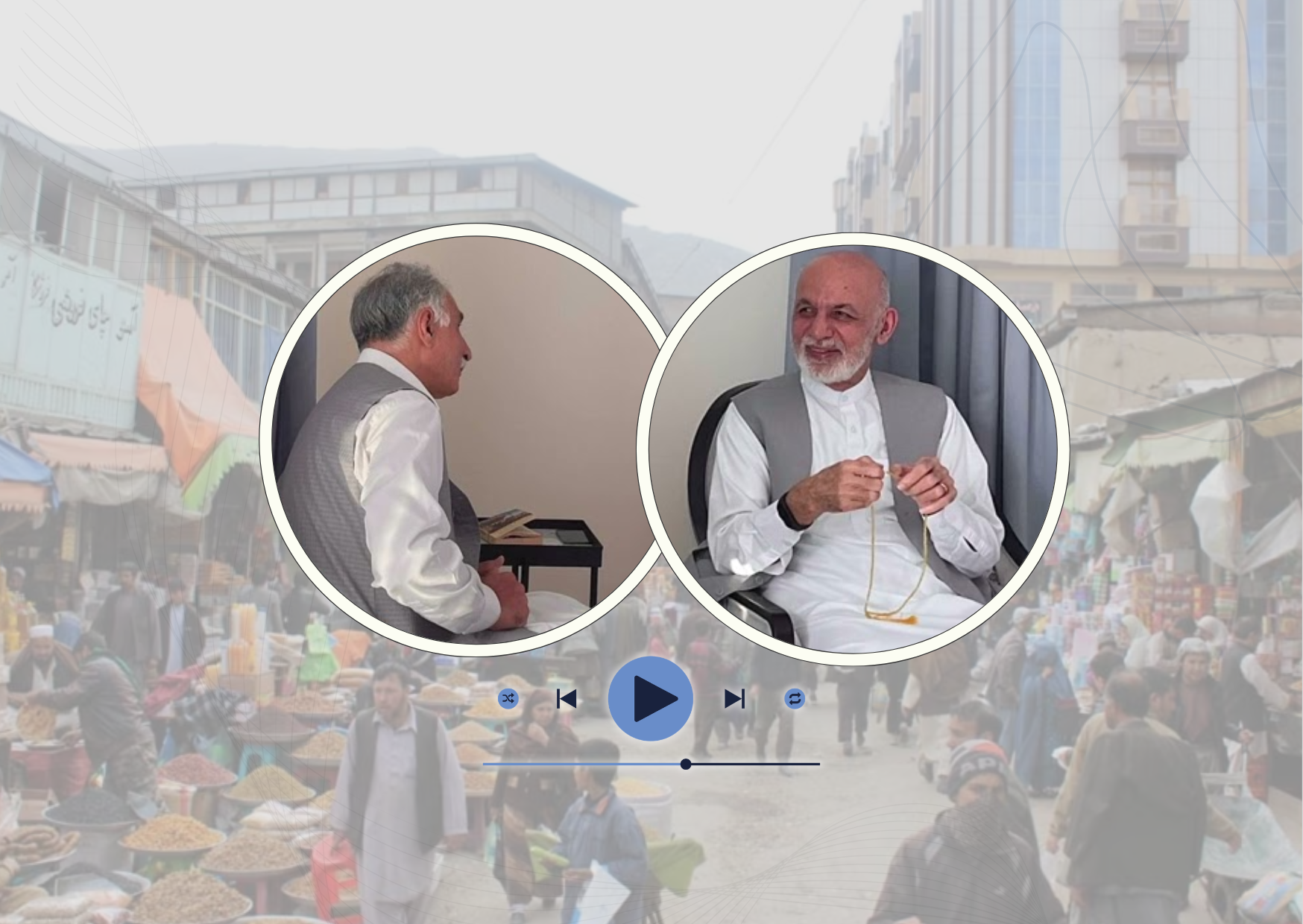
In this episode, the discussion focuses on Afghanistan’s rich history of trade and commerce, from its ancient role on the Silk Road to modern efforts at building a strong export-oriented economy. The conversation highlights pioneering initiatives in banking, industrialization, and human capital development, while examining the challenges posed by war, political conflicts, and global economic shifts. Drawing inspiration from international examples like Japan, South Korea, and Singapore, the episode explores Afghanistan’s untapped potential and the strategies necessary for sustainable economic growth and regional trade integration.
Transcript
<p data-start="264" data-end="545">This episode delves into Afghanistan’s historical and modern economic journey, emphasizing trade, industrial development, and the pioneering contributions of Abdul Majid Zabuli. Listeners gain insights into how internal initiatives and global models can shape sustainable growth.</p>
<h3 data-start="547" data-end="588">1. Historical Context of Afghan Trade</h3>
<ul data-start="589" data-end="947">
<li data-start="589" data-end="701">
<p data-start="591" data-end="701"><strong data-start="591" data-end="613">Ancient trade hub:</strong> Afghanistan was a key node on the Silk Road, linking Central Asia, India, and beyond.</p>
</li>
<li data-start="702" data-end="824">
<p data-start="704" data-end="824"><strong data-start="704" data-end="726">Medieval commerce:</strong> Merchants in Kabul and other cities enjoyed high profits from regional and international trade.</p>
</li>
<li data-start="825" data-end="947">
<p data-start="827" data-end="947"><strong data-start="827" data-end="851">Economic foundation:</strong> Centuries of commerce set the stage for later financial institutions and industrial ventures.</p>
</li>
</ul>
<h3 data-start="949" data-end="999">2. Abdul Majid Zabuli’s Pioneering Initiatives</h3>
<ul data-start="1000" data-end="1911">
<li data-start="1000" data-end="1284">
<p data-start="1002" data-end="1028"><strong data-start="1002" data-end="1026">Banking and finance:</strong></p>
<ul data-start="1031" data-end="1284">
<li data-start="1031" data-end="1130">
<p data-start="1033" data-end="1130">Established Afghanistan’s first modern banks, including the National Bank and Afghanistan Bank.</p>
</li>
<li data-start="1133" data-end="1189">
<p data-start="1135" data-end="1189">Introduced paper currency backed by gold and silver.</p>
</li>
<li data-start="1192" data-end="1284">
<p data-start="1194" data-end="1284">Organized banking to support industrial and trade growth, providing loans to businesses.</p>
</li>
</ul>
</li>
<li data-start="1285" data-end="1644">
<p data-start="1287" data-end="1327"><strong data-start="1287" data-end="1325">Industrial and export development:</strong></p>
<ul data-start="1330" data-end="1644">
<li data-start="1330" data-end="1395">
<p data-start="1332" data-end="1395">Revived cotton production and established textile industries.</p>
</li>
<li data-start="1398" data-end="1480">
<p data-start="1400" data-end="1480">Created cooperatives for producers of Karakul skins and agricultural products.</p>
</li>
<li data-start="1483" data-end="1570">
<p data-start="1485" data-end="1570">Focused on exporting to major markets like Europe (London) and the U.S. (New York).</p>
</li>
<li data-start="1573" data-end="1644">
<p data-start="1575" data-end="1644">Laid foundations for modern transport networks to facilitate trade.</p>
</li>
</ul>
</li>
<li data-start="1645" data-end="1911">
<p data-start="1647" data-end="1679"><strong data-start="1647" data-end="1677">Human capital development:</strong></p>
<ul data-start="1682" data-end="1911">
<li data-start="1682" data-end="1744">
<p data-start="1684" data-end="1744">Hired international experts to train Afghan professionals.</p>
</li>
<li data-start="1747" data-end="1821">
<p data-start="1749" data-end="1821">Built a skilled workforce for banking, industry, and trade management.</p>
</li>
<li data-start="1824" data-end="1911">
<p data-start="1826" data-end="1911">Invested in education and infrastructure to ensure continuity of economic projects.</p>
</li>
</ul>
</li>
</ul>
<h3 data-start="1913" data-end="1946">3. Challenges and Limitations</h3>
<ul data-start="1947" data-end="2393">
<li data-start="1947" data-end="2080">
<p data-start="1949" data-end="2080"><strong data-start="1949" data-end="1974">Political opposition:</strong> Conflicts with the royal family and bureaucratic hurdles limited long-term implementation of his plans.</p>
</li>
<li data-start="2081" data-end="2192">
<p data-start="2083" data-end="2192"><strong data-start="2083" data-end="2101">Global crises:</strong> The Great Depression and geopolitical pressures affected trade and industrial expansion.</p>
</li>
<li data-start="2193" data-end="2393">
<p data-start="2195" data-end="2393"><strong data-start="2195" data-end="2220">Missed opportunities:</strong> Despite visionary plans, some projects were blocked or delayed due to foreign banks and domestic politics, preventing full realization of industrial and export potential.</p>
</li>
</ul>
<h3 data-start="2395" data-end="2437">4. Modern Export Potential and Lessons</h3>
<ul data-start="2438" data-end="3042">
<li data-start="2438" data-end="2543">
<p data-start="2440" data-end="2543"><strong data-start="2440" data-end="2465">Agricultural exports:</strong> Products like pine nuts show the untapped potential of Afghanistan’s trade.</p>
</li>
<li data-start="2544" data-end="2648">
<p data-start="2546" data-end="2648"><strong data-start="2546" data-end="2571">Global market access:</strong> Direct trade with countries such as Germany, China, and the U.S. is vital.</p>
</li>
<li data-start="2649" data-end="2819">
<p data-start="2651" data-end="2819"><strong data-start="2651" data-end="2674">Learning from Asia:</strong> Japan, South Korea, Singapore, Malaysia, and China provide successful models of government-private sector collaboration and export-led growth.</p>
</li>
<li data-start="2820" data-end="3042">
<p data-start="2822" data-end="2844"><strong data-start="2822" data-end="2842">Keys to success:</strong></p>
<ul data-start="2847" data-end="3042">
<li data-start="2847" data-end="2906">
<p data-start="2849" data-end="2906">Unified planning between government and private sector.</p>
</li>
<li data-start="2909" data-end="2981">
<p data-start="2911" data-end="2981">Understanding international markets, quality standards, and pricing.</p>
</li>
<li data-start="2984" data-end="3042">
<p data-start="2986" data-end="3042">Investment in human capital and modern infrastructure.</p>
</li>
</ul>
</li>
</ul>
<h3 data-start="3044" data-end="3065">5. Core Takeaways</h3>
<ul data-start="3066" data-end="3483">
<li data-start="3066" data-end="3188">
<p data-start="3068" data-end="3188">Abdul Majid Zabuli’s legacy demonstrates Afghanistan’s historical capacity to be a strong trade and industrial nation.</p>
</li>
<li data-start="3189" data-end="3324">
<p data-start="3191" data-end="3324">Strategic planning, focused investment, and collaboration between the state and private sector are critical for sustainable growth.</p>
</li>
<li data-start="3325" data-end="3483">
<p data-start="3327" data-end="3483">Both historical experience and lessons from global success stories provide a roadmap for Afghanistan’s potential as a regional and global economic player.</p>
</li>
</ul>
<h3 data-start="547" data-end="588">1. Historical Context of Afghan Trade</h3>
<ul data-start="589" data-end="947">
<li data-start="589" data-end="701">
<p data-start="591" data-end="701"><strong data-start="591" data-end="613">Ancient trade hub:</strong> Afghanistan was a key node on the Silk Road, linking Central Asia, India, and beyond.</p>
</li>
<li data-start="702" data-end="824">
<p data-start="704" data-end="824"><strong data-start="704" data-end="726">Medieval commerce:</strong> Merchants in Kabul and other cities enjoyed high profits from regional and international trade.</p>
</li>
<li data-start="825" data-end="947">
<p data-start="827" data-end="947"><strong data-start="827" data-end="851">Economic foundation:</strong> Centuries of commerce set the stage for later financial institutions and industrial ventures.</p>
</li>
</ul>
<h3 data-start="949" data-end="999">2. Abdul Majid Zabuli’s Pioneering Initiatives</h3>
<ul data-start="1000" data-end="1911">
<li data-start="1000" data-end="1284">
<p data-start="1002" data-end="1028"><strong data-start="1002" data-end="1026">Banking and finance:</strong></p>
<ul data-start="1031" data-end="1284">
<li data-start="1031" data-end="1130">
<p data-start="1033" data-end="1130">Established Afghanistan’s first modern banks, including the National Bank and Afghanistan Bank.</p>
</li>
<li data-start="1133" data-end="1189">
<p data-start="1135" data-end="1189">Introduced paper currency backed by gold and silver.</p>
</li>
<li data-start="1192" data-end="1284">
<p data-start="1194" data-end="1284">Organized banking to support industrial and trade growth, providing loans to businesses.</p>
</li>
</ul>
</li>
<li data-start="1285" data-end="1644">
<p data-start="1287" data-end="1327"><strong data-start="1287" data-end="1325">Industrial and export development:</strong></p>
<ul data-start="1330" data-end="1644">
<li data-start="1330" data-end="1395">
<p data-start="1332" data-end="1395">Revived cotton production and established textile industries.</p>
</li>
<li data-start="1398" data-end="1480">
<p data-start="1400" data-end="1480">Created cooperatives for producers of Karakul skins and agricultural products.</p>
</li>
<li data-start="1483" data-end="1570">
<p data-start="1485" data-end="1570">Focused on exporting to major markets like Europe (London) and the U.S. (New York).</p>
</li>
<li data-start="1573" data-end="1644">
<p data-start="1575" data-end="1644">Laid foundations for modern transport networks to facilitate trade.</p>
</li>
</ul>
</li>
<li data-start="1645" data-end="1911">
<p data-start="1647" data-end="1679"><strong data-start="1647" data-end="1677">Human capital development:</strong></p>
<ul data-start="1682" data-end="1911">
<li data-start="1682" data-end="1744">
<p data-start="1684" data-end="1744">Hired international experts to train Afghan professionals.</p>
</li>
<li data-start="1747" data-end="1821">
<p data-start="1749" data-end="1821">Built a skilled workforce for banking, industry, and trade management.</p>
</li>
<li data-start="1824" data-end="1911">
<p data-start="1826" data-end="1911">Invested in education and infrastructure to ensure continuity of economic projects.</p>
</li>
</ul>
</li>
</ul>
<h3 data-start="1913" data-end="1946">3. Challenges and Limitations</h3>
<ul data-start="1947" data-end="2393">
<li data-start="1947" data-end="2080">
<p data-start="1949" data-end="2080"><strong data-start="1949" data-end="1974">Political opposition:</strong> Conflicts with the royal family and bureaucratic hurdles limited long-term implementation of his plans.</p>
</li>
<li data-start="2081" data-end="2192">
<p data-start="2083" data-end="2192"><strong data-start="2083" data-end="2101">Global crises:</strong> The Great Depression and geopolitical pressures affected trade and industrial expansion.</p>
</li>
<li data-start="2193" data-end="2393">
<p data-start="2195" data-end="2393"><strong data-start="2195" data-end="2220">Missed opportunities:</strong> Despite visionary plans, some projects were blocked or delayed due to foreign banks and domestic politics, preventing full realization of industrial and export potential.</p>
</li>
</ul>
<h3 data-start="2395" data-end="2437">4. Modern Export Potential and Lessons</h3>
<ul data-start="2438" data-end="3042">
<li data-start="2438" data-end="2543">
<p data-start="2440" data-end="2543"><strong data-start="2440" data-end="2465">Agricultural exports:</strong> Products like pine nuts show the untapped potential of Afghanistan’s trade.</p>
</li>
<li data-start="2544" data-end="2648">
<p data-start="2546" data-end="2648"><strong data-start="2546" data-end="2571">Global market access:</strong> Direct trade with countries such as Germany, China, and the U.S. is vital.</p>
</li>
<li data-start="2649" data-end="2819">
<p data-start="2651" data-end="2819"><strong data-start="2651" data-end="2674">Learning from Asia:</strong> Japan, South Korea, Singapore, Malaysia, and China provide successful models of government-private sector collaboration and export-led growth.</p>
</li>
<li data-start="2820" data-end="3042">
<p data-start="2822" data-end="2844"><strong data-start="2822" data-end="2842">Keys to success:</strong></p>
<ul data-start="2847" data-end="3042">
<li data-start="2847" data-end="2906">
<p data-start="2849" data-end="2906">Unified planning between government and private sector.</p>
</li>
<li data-start="2909" data-end="2981">
<p data-start="2911" data-end="2981">Understanding international markets, quality standards, and pricing.</p>
</li>
<li data-start="2984" data-end="3042">
<p data-start="2986" data-end="3042">Investment in human capital and modern infrastructure.</p>
</li>
</ul>
</li>
</ul>
<h3 data-start="3044" data-end="3065">5. Core Takeaways</h3>
<ul data-start="3066" data-end="3483">
<li data-start="3066" data-end="3188">
<p data-start="3068" data-end="3188">Abdul Majid Zabuli’s legacy demonstrates Afghanistan’s historical capacity to be a strong trade and industrial nation.</p>
</li>
<li data-start="3189" data-end="3324">
<p data-start="3191" data-end="3324">Strategic planning, focused investment, and collaboration between the state and private sector are critical for sustainable growth.</p>
</li>
<li data-start="3325" data-end="3483">
<p data-start="3327" data-end="3483">Both historical experience and lessons from global success stories provide a roadmap for Afghanistan’s potential as a regional and global economic player.</p>
</li>
</ul>