February 13, 2025
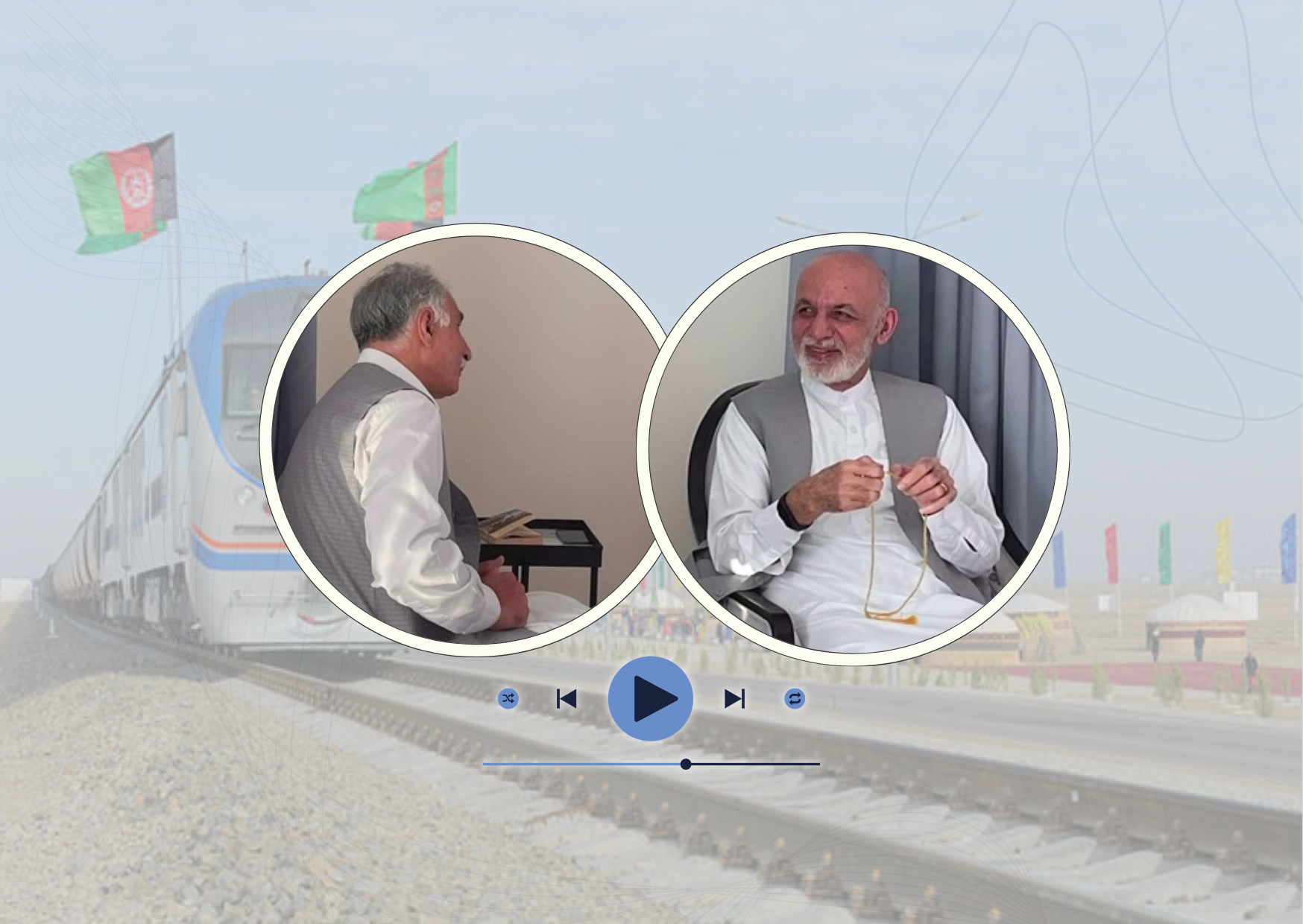
Episode 32: Railway Network
This episode traces the history of Afghanistan’s railway development, from the early conceptual attempts under Amir Abdur Rahman Khan and King Amanullah Khan to President Daoud Khan’s strategic plans aimed at linking the nation's mineral wealth and trade routes with neighboring countries. The discussion covers modern northern railway projects—such as the Hairatan, Aqina, and Torghundi links—while addressing the technical, economic, and management challenges inherent in large-scale infrastructure. It highlights how a robust railway network reduces transport costs, boosts international trade, facilitates resource extraction, and strengthens national unity by providing vital connectivity to remote regions.
Transcript
<p data-path-to-node="4">This episode focuses on the evolution of Afghanistan’s infrastructure, specifically the history and strategic necessity of a national railway network.</p>
<h4 data-path-to-node="4"><strong data-path-to-node="4" data-index-in-node="0">1. The "Insecurity of Progress": Historical Resistance</strong></h4>
<p data-path-to-node="5">The episode provides a fascinating look at the <strong data-path-to-node="5" data-index-in-node="47">geopolitical psychology</strong> of the 19th century.</p>
<ul data-path-to-node="6">
<li>
<p data-path-to-node="6,0,0"><strong data-path-to-node="6,0,0" data-index-in-node="0">The "No" to Railways:</strong> Dr. Ghani explains that <strong data-path-to-node="6,0,0" data-index-in-node="46">Amir Abdur Rahman Khan</strong> intentionally rejected railway expansion. Having lived in exile in Tashkent, the Amir observed that the Russian Empire used the "Iron Road" to swallow the independence of Central Asian Khanates like Bukhara.</p>
</li>
<li>
<p data-path-to-node="6,1,0"><strong data-path-to-node="6,1,0" data-index-in-node="0">Defense through Isolation:</strong> For the "Iron Amir," the lack of railways was a defensive strategy; he believed that as long as the terrain remained difficult, foreign empires (British and Russian) would find it too costly to maintain a permanent occupation.</p>
</li>
</ul>
<h4 data-path-to-node="7"><strong data-path-to-node="7" data-index-in-node="0">2. The Early 20th Century Visionaries</strong></h4>
<ul data-path-to-node="8">
<li>
<p data-path-to-node="8,0,0"><strong data-path-to-node="8,0,0" data-index-in-node="0">King Amanullah Khan:</strong> The transition from isolation to modernization began with the first short railway link from <strong data-path-to-node="8,0,0" data-index-in-node="113">Deh Mazang to Darul Aman</strong>. The episode discusses his employment of Dutch experts to plan a network that would link the capital to resource-rich provinces like Bamiyan and Logar.</p>
</li>
<li>
<p data-path-to-node="8,1,0"><strong data-path-to-node="8,1,0" data-index-in-node="0">President Daoud Khan:</strong> The discussion highlights the 1970s plan—supported by a potential $1 billion investment from Iran—to build a massive loop connecting Herat, Kandahar, and Kabul, specifically designed to export Afghanistan’s vast mineral wealth (iron and copper).</p>
</li>
</ul>
<h4 data-path-to-node="9"><strong data-path-to-node="9" data-index-in-node="0">3. The "Gauge" Challenge: Technical Sovereignty</strong></h4>
<p data-path-to-node="10">A major educational takeaway is the <strong data-path-to-node="10" data-index-in-node="36">technical complexity</strong> of regional integration.</p>
<ul data-path-to-node="11">
<li>
<p data-path-to-node="11,0,0"><strong data-path-to-node="11,0,0" data-index-in-node="0">The Gauge Mismatch:</strong> Afghanistan sits at the crossroads of three different railway widths (Gauges):</p>
<ul data-path-to-node="11,0,1">
<li>
<p data-path-to-node="11,0,1,0,0"><strong data-path-to-node="11,0,1,0,0" data-index-in-node="0">Russian Gauge (1520 mm):</strong> Used in the north (Uzbekistan, Turkmenistan).</p>
</li>
<li>
<p data-path-to-node="11,0,1,1,0"><strong data-path-to-node="11,0,1,1,0" data-index-in-node="0">Standard Gauge (1435 mm):</strong> Used in the west (Iran and China).</p>
</li>
<li>
<p data-path-to-node="11,0,1,2,0"><strong data-path-to-node="11,0,1,2,0" data-index-in-node="0">Broad Gauge (1676 mm):</strong> Used in the south and east (Pakistan and India).</p>
</li>
</ul>
</li>
<li>
<p data-path-to-node="11,1,0"><strong data-path-to-node="11,1,0" data-index-in-node="0">Break-of-Gauge:</strong> The episode explains the immense cost and logistical burden of "Break-of-Gauge" stations, where cargo must be physically moved from one train to another because the tracks don't match.</p>
</li>
</ul>
<h4 data-path-to-node="12"><strong data-path-to-node="12" data-index-in-node="0">4. Economic Sustainability and Localization</strong></h4>
<p data-path-to-node="13">Dr. Ghani emphasizes that infrastructure must be <strong data-path-to-node="13" data-index-in-node="49">economically viable</strong>, not just symbolic.</p>
<ul data-path-to-node="14">
<li>
<p data-path-to-node="14,0,0"><strong data-path-to-node="14,0,0" data-index-in-node="0">Cost Reduction:</strong> He notes that the cost of building railways can be reduced by 60% to 80% if "sleepers" (the supports for the rails) and other materials are manufactured locally using Afghan iron and labor.</p>
</li>
<li>
<p data-path-to-node="14,1,0"><strong data-path-to-node="14,1,0" data-index-in-node="0">Transit as Revenue:</strong> The vision shifted from being a "landlocked" (isolated) country to a <strong data-path-to-node="14,1,0" data-index-in-node="89">"land-linked"</strong> (transit) country, where the state earns revenue from every ton of cargo passing between Central and Southern Asia.</p>
</li>
</ul>
<h4 data-path-to-node="4"><strong data-path-to-node="4" data-index-in-node="0">1. The "Insecurity of Progress": Historical Resistance</strong></h4>
<p data-path-to-node="5">The episode provides a fascinating look at the <strong data-path-to-node="5" data-index-in-node="47">geopolitical psychology</strong> of the 19th century.</p>
<ul data-path-to-node="6">
<li>
<p data-path-to-node="6,0,0"><strong data-path-to-node="6,0,0" data-index-in-node="0">The "No" to Railways:</strong> Dr. Ghani explains that <strong data-path-to-node="6,0,0" data-index-in-node="46">Amir Abdur Rahman Khan</strong> intentionally rejected railway expansion. Having lived in exile in Tashkent, the Amir observed that the Russian Empire used the "Iron Road" to swallow the independence of Central Asian Khanates like Bukhara.</p>
</li>
<li>
<p data-path-to-node="6,1,0"><strong data-path-to-node="6,1,0" data-index-in-node="0">Defense through Isolation:</strong> For the "Iron Amir," the lack of railways was a defensive strategy; he believed that as long as the terrain remained difficult, foreign empires (British and Russian) would find it too costly to maintain a permanent occupation.</p>
</li>
</ul>
<h4 data-path-to-node="7"><strong data-path-to-node="7" data-index-in-node="0">2. The Early 20th Century Visionaries</strong></h4>
<ul data-path-to-node="8">
<li>
<p data-path-to-node="8,0,0"><strong data-path-to-node="8,0,0" data-index-in-node="0">King Amanullah Khan:</strong> The transition from isolation to modernization began with the first short railway link from <strong data-path-to-node="8,0,0" data-index-in-node="113">Deh Mazang to Darul Aman</strong>. The episode discusses his employment of Dutch experts to plan a network that would link the capital to resource-rich provinces like Bamiyan and Logar.</p>
</li>
<li>
<p data-path-to-node="8,1,0"><strong data-path-to-node="8,1,0" data-index-in-node="0">President Daoud Khan:</strong> The discussion highlights the 1970s plan—supported by a potential $1 billion investment from Iran—to build a massive loop connecting Herat, Kandahar, and Kabul, specifically designed to export Afghanistan’s vast mineral wealth (iron and copper).</p>
</li>
</ul>
<h4 data-path-to-node="9"><strong data-path-to-node="9" data-index-in-node="0">3. The "Gauge" Challenge: Technical Sovereignty</strong></h4>
<p data-path-to-node="10">A major educational takeaway is the <strong data-path-to-node="10" data-index-in-node="36">technical complexity</strong> of regional integration.</p>
<ul data-path-to-node="11">
<li>
<p data-path-to-node="11,0,0"><strong data-path-to-node="11,0,0" data-index-in-node="0">The Gauge Mismatch:</strong> Afghanistan sits at the crossroads of three different railway widths (Gauges):</p>
<ul data-path-to-node="11,0,1">
<li>
<p data-path-to-node="11,0,1,0,0"><strong data-path-to-node="11,0,1,0,0" data-index-in-node="0">Russian Gauge (1520 mm):</strong> Used in the north (Uzbekistan, Turkmenistan).</p>
</li>
<li>
<p data-path-to-node="11,0,1,1,0"><strong data-path-to-node="11,0,1,1,0" data-index-in-node="0">Standard Gauge (1435 mm):</strong> Used in the west (Iran and China).</p>
</li>
<li>
<p data-path-to-node="11,0,1,2,0"><strong data-path-to-node="11,0,1,2,0" data-index-in-node="0">Broad Gauge (1676 mm):</strong> Used in the south and east (Pakistan and India).</p>
</li>
</ul>
</li>
<li>
<p data-path-to-node="11,1,0"><strong data-path-to-node="11,1,0" data-index-in-node="0">Break-of-Gauge:</strong> The episode explains the immense cost and logistical burden of "Break-of-Gauge" stations, where cargo must be physically moved from one train to another because the tracks don't match.</p>
</li>
</ul>
<h4 data-path-to-node="12"><strong data-path-to-node="12" data-index-in-node="0">4. Economic Sustainability and Localization</strong></h4>
<p data-path-to-node="13">Dr. Ghani emphasizes that infrastructure must be <strong data-path-to-node="13" data-index-in-node="49">economically viable</strong>, not just symbolic.</p>
<ul data-path-to-node="14">
<li>
<p data-path-to-node="14,0,0"><strong data-path-to-node="14,0,0" data-index-in-node="0">Cost Reduction:</strong> He notes that the cost of building railways can be reduced by 60% to 80% if "sleepers" (the supports for the rails) and other materials are manufactured locally using Afghan iron and labor.</p>
</li>
<li>
<p data-path-to-node="14,1,0"><strong data-path-to-node="14,1,0" data-index-in-node="0">Transit as Revenue:</strong> The vision shifted from being a "landlocked" (isolated) country to a <strong data-path-to-node="14,1,0" data-index-in-node="89">"land-linked"</strong> (transit) country, where the state earns revenue from every ton of cargo passing between Central and Southern Asia.</p>
</li>
</ul>