May 23, 2024
Episode 14: Natural Resources (Part I)
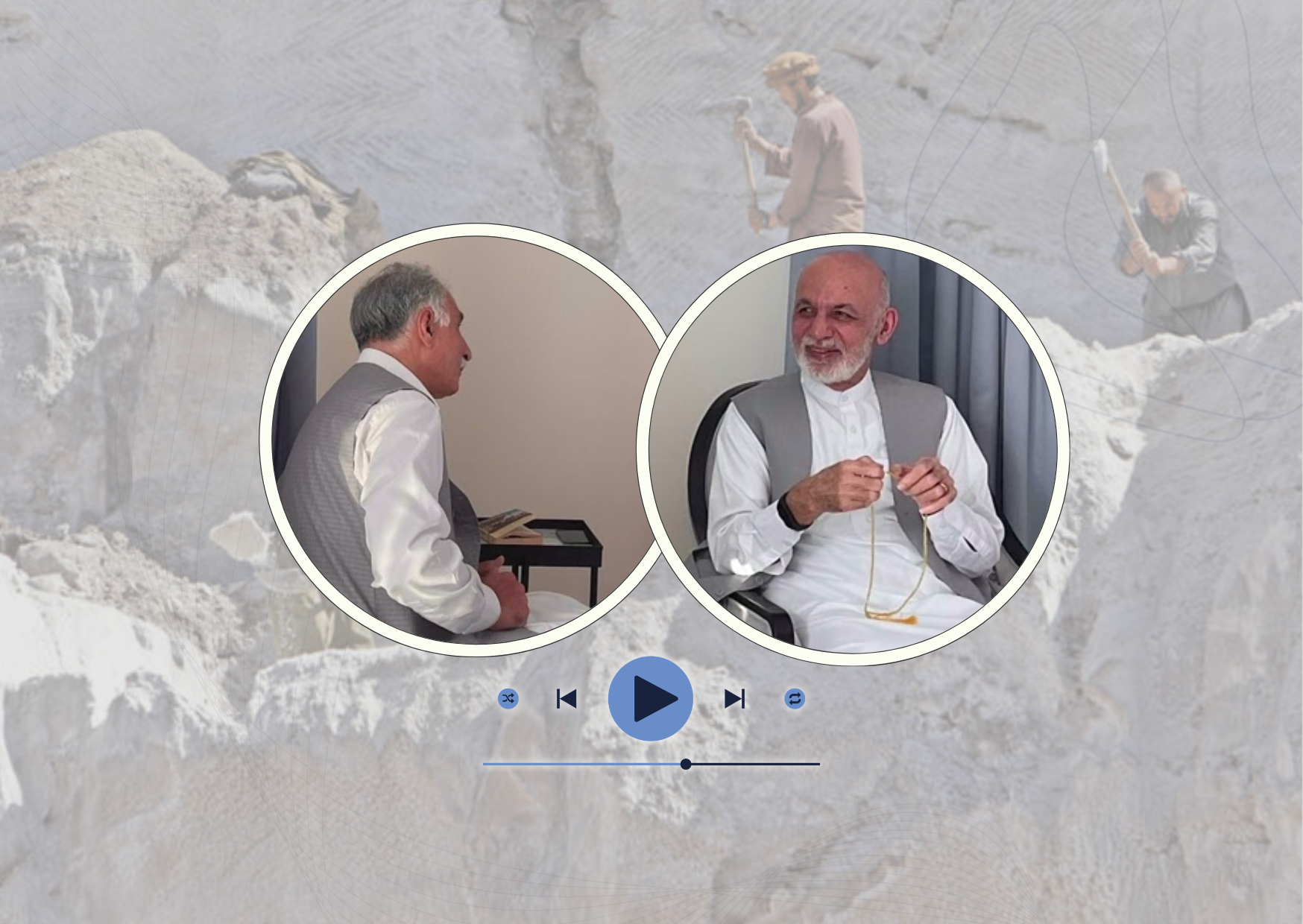
This episode explores Afghanistan’s vast underground resources, including minerals, oil, and gas, and examines their historical discovery, geological significance, and economic potential. It discusses the importance of scientific geological surveys, transparent contracts, and strong national expertise in managing these resources responsibly. The conversation highlights global lessons—how natural wealth can either fuel prosperity or cause instability—and emphasizes that Afghanistan’s mineral resources must be developed with long-term vision, accountability, and benefit for future generations.
Transcript
<p>This episode provides an in-depth exploration of Afghanistan’s vast mineral, oil, and gas resources, examining their geological foundations, historical discovery, and economic potential. Afghanistan sits on one of the world’s significant mineral belts, containing valuable deposits of copper, iron, lithium, rare earth elements, precious stones, and hydrocarbons. Understanding how these resources were formed over millions of years—and how they can be responsibly managed today—is central to the discussion.</p>
<p>The episode approaches the topic from scientific, economic, and governance perspectives, helping listeners understand both the opportunities and the risks associated with natural resource development.</p>
<p>1. Geological Foundations</p>
<p>Formation of Mineral Deposits:<br>Explains how tectonic movements, volcanic activity, and sedimentation over geological time created rich mineral zones across Afghanistan.</p>
<p>Major Resource Categories:</p>
<p>Metallic minerals (copper, iron, gold, lithium)</p>
<p>Non-metallic minerals (marble, talc, gemstones)</p>
<p>Energy resources (oil, natural gas, coal)</p>
<p>Strategic Importance:<br>Discusses why certain minerals—such as lithium and rare earth elements—are increasingly important in global technology and renewable energy industries.</p>
<p>2. Historical Exploration and Surveys</p>
<p>Early Geological Studies:<br>Reviews past surveys conducted by national and international experts.</p>
<p>Data and Mapping:<br>Highlights the importance of accurate geological mapping and modern technology in assessing reserves.</p>
<p>Untapped Potential:<br>Explains why many deposits remain underdeveloped due to infrastructure, security, and investment challenges.</p>
<p>3. Economic Opportunities and Risks</p>
<p>Revenue and National Development:<br>Describes how responsible extraction could generate employment, infrastructure growth, and public revenue.</p>
<p>The “Resource Curse” Concept:<br>Examines how countries rich in natural resources can face corruption, conflict, and inequality if governance is weak.</p>
<p>Value Addition vs. Raw Export:<br>Emphasizes the importance of processing minerals domestically to increase economic benefit rather than exporting raw materials.</p>
<p>4. Governance, Transparency, and Sustainability</p>
<p>Transparent Contracts:<br>Stresses the need for clear agreements that protect national interests.</p>
<p>Environmental Protection:<br>Discusses mining’s impact on land, water, and local communities, and the importance of environmental regulations.</p>
<p>Long-Term Planning:<br>Encourages policies that balance economic gain with environmental conservation and social stability.</p>
<p>5. Education and National Capacity</p>
<p>Developing Expertise:<br>Highlights the importance of training Afghan geologists, engineers, and economists.</p>
<p>Research and Innovation:<br>Promotes investment in scientific institutions and modern extraction technologies.</p>
<p>Future Generations:<br>Emphasizes that mineral wealth is finite and must be managed wisely for sustainable national growth.</p>
<p>Educational Takeaway</p>
<p>This episode teaches that Afghanistan’s mineral resources are not merely underground assets—they represent both opportunity and responsibility. With scientific understanding, transparent governance, environmental safeguards, and strong national capacity, these resources could contribute to long-term prosperity. Without careful management, however, they risk becoming a source of instability. The key message is clear: natural wealth must be guided by knowledge, accountability, and a vision for future generations.</p>
<p>The episode approaches the topic from scientific, economic, and governance perspectives, helping listeners understand both the opportunities and the risks associated with natural resource development.</p>
<p>1. Geological Foundations</p>
<p>Formation of Mineral Deposits:<br>Explains how tectonic movements, volcanic activity, and sedimentation over geological time created rich mineral zones across Afghanistan.</p>
<p>Major Resource Categories:</p>
<p>Metallic minerals (copper, iron, gold, lithium)</p>
<p>Non-metallic minerals (marble, talc, gemstones)</p>
<p>Energy resources (oil, natural gas, coal)</p>
<p>Strategic Importance:<br>Discusses why certain minerals—such as lithium and rare earth elements—are increasingly important in global technology and renewable energy industries.</p>
<p>2. Historical Exploration and Surveys</p>
<p>Early Geological Studies:<br>Reviews past surveys conducted by national and international experts.</p>
<p>Data and Mapping:<br>Highlights the importance of accurate geological mapping and modern technology in assessing reserves.</p>
<p>Untapped Potential:<br>Explains why many deposits remain underdeveloped due to infrastructure, security, and investment challenges.</p>
<p>3. Economic Opportunities and Risks</p>
<p>Revenue and National Development:<br>Describes how responsible extraction could generate employment, infrastructure growth, and public revenue.</p>
<p>The “Resource Curse” Concept:<br>Examines how countries rich in natural resources can face corruption, conflict, and inequality if governance is weak.</p>
<p>Value Addition vs. Raw Export:<br>Emphasizes the importance of processing minerals domestically to increase economic benefit rather than exporting raw materials.</p>
<p>4. Governance, Transparency, and Sustainability</p>
<p>Transparent Contracts:<br>Stresses the need for clear agreements that protect national interests.</p>
<p>Environmental Protection:<br>Discusses mining’s impact on land, water, and local communities, and the importance of environmental regulations.</p>
<p>Long-Term Planning:<br>Encourages policies that balance economic gain with environmental conservation and social stability.</p>
<p>5. Education and National Capacity</p>
<p>Developing Expertise:<br>Highlights the importance of training Afghan geologists, engineers, and economists.</p>
<p>Research and Innovation:<br>Promotes investment in scientific institutions and modern extraction technologies.</p>
<p>Future Generations:<br>Emphasizes that mineral wealth is finite and must be managed wisely for sustainable national growth.</p>
<p>Educational Takeaway</p>
<p>This episode teaches that Afghanistan’s mineral resources are not merely underground assets—they represent both opportunity and responsibility. With scientific understanding, transparent governance, environmental safeguards, and strong national capacity, these resources could contribute to long-term prosperity. Without careful management, however, they risk becoming a source of instability. The key message is clear: natural wealth must be guided by knowledge, accountability, and a vision for future generations.</p>