
Progress, Responsibility, and the Path to a Mine-Free Afghanistan
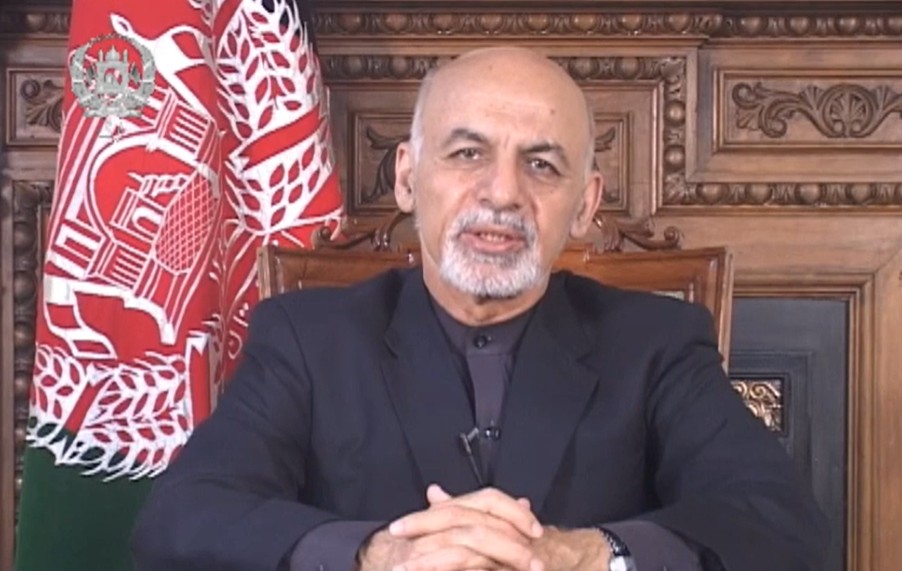
(Message on International Mine Awareness Day)
Keypoints:
- Recognition of Sacrifice: Name schools after martyred deminers to honor their service.
- 80/20 Progress Report: 80% of the country cleared of mines, leaving 20% remaining.
- Afghanization of Management: Transfer all financial and operational control from the UN to Afghan experts.
- Efficiency and Cost-Reduction: Use a business model to improve demining quality and reduce costs.
- Moral Condemnation of IEDs: Planting mines attacks the peaceful heart of Afghan farmers.
In the name of Allah, the Compassionate, the Merciful.
Respected compatriots, sisters and brothers, Asalamualikom!
On the arrival of International Mine Awareness Day, I first wish to thank those selfless young people engaged in the noble struggle of demining to save their fellow citizens—some of whom have been disabled or martyred in this path. I salute the souls of all deminers who, over the past few decades, have sacrificed their lives while performing their duties, whether due to accidental explosions or at the hands of the cruel. They have offered their heads to save the lives of others.
According to statistics, while fulfilling this national and Islamic duty over the past decades in Afghanistan alone, 973 deminers have been disabled and 189 deminers have been martyred. I request the Ministry of Education of Afghanistan to name one school after each of these martyred servants of the nation. In this way, their sacrifices will be honored, and future generations will better know their true servants.
Based on data, 80% of Afghanistan's land has been cleared of mines thanks to the efforts of our country’s deminers. This is remarkable progress compared to the year 2002, when 60% of Afghan land was littered with mines. Currently, only 20% of the country’s land remains uncleared. It is necessary here to thank the countries that have provided financial and technical assistance to Afghanistan in the fields of mine clearance and neutralization.
In previous years, 15,000 people were engaged in this humanitarian and national struggle; however, currently, many of them are sitting at home due to a lack of financial aid. On Tuesday, I met with representatives of demining organizations and experts from the United Nations to discuss the problems facing demining operations.
One challenge is that since 2001, funding for mine neutralization has decreased. Furthermore, while Afghans have been occupied with demining for decades, the management of the financial budget has remained with the United Nations. Despite Afghans having sufficient capacity and experience, a number of foreign deminers are still working in the country. I discussed this issue with the UN; they requested a two-week period to create a plan under which financial management will be transferred from foreigners to Afghans, leaving the UN in a purely advisory role.
We must create a coherent and organized plan for our available funds and resources, where priorities are clear, quality is improved, and costs are reduced. On the other hand, we must speak with donors to ensure they utilize the capacities and experiences of Afghan organizations as much as possible. Work that Afghans can do does not require the recruitment of foreigners.
Respected compatriots, mines are an ugly legacy of the past few decades of war. Mines, which may remain hidden in the soil for years, threaten lives not only during war but also during years of peace. They pose an equal danger to every human, whether a child or an elder, and whether they are involved in the war or not. This is why the use of mines is considered an inhumane and immoral act.
I take this opportunity to call upon those who plant mines on roads, in villages, and in fields: Do not turn the soil of this nation into a place of fear and danger for its people! Let our elders work in the fields with a peaceful heart, and let travelers on the roads move without danger or anxiety. In past decades, tens of thousands of Afghans have been killed or disabled by mines. We must end this ugly cycle and, through the courage of our deminers, rescue the remaining 20% of our land from the evil of mines.