The Key to Afghanistan’s Future and Self-Reliance
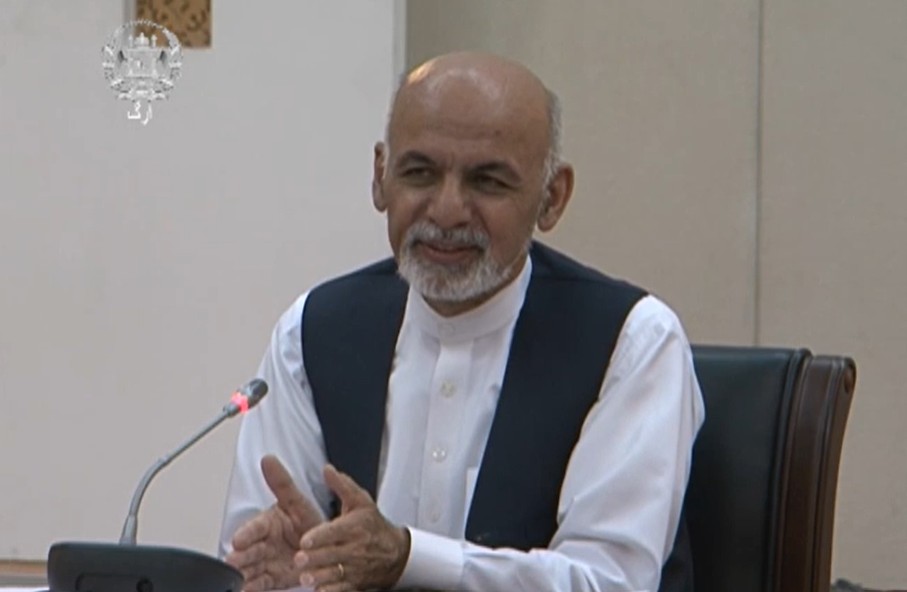
(International Literacy Day Speech, ARG, Kabul, Afghanistan)
Keypoints:
- Religious Mandate: Literacy is a divine command rooted in the Quranic call to Iqra (Read).
- National Sovereignty: Literacy is the key to knowledge and true national independence.
- Crisis Awareness: 64 percent of Afghans over 15 remain illiterate after decades of war.
- Educational Justice: Closing education gaps by prioritizing women and remote provinces.
- Institutional Reform: Reforming curricula and improving textbook quality nationwide.
- Shared Responsibility: Engaging ulema, media, and local leaders to fight illiteracy.
- Presidential Commitment: The President will personally lead the National Literacy Committee.
In the name of God, the Compassionate, the Merciful.
Distinguished guests,
I am pleased to speak at this gathering organized to mark International Literacy Day. Human history began with the invention of writing; through it, human experience found a secure method of preservation, which allowed civilization to flourish and opened the doors to the evolution of science. Our holy book, the Holy Quran, begins with the word "Iqra"—meaning "Read." The holy religion of Islam commands its followers to seek literacy and acquire knowledge. From the perspective of Islam, the pursuit of knowledge and literacy is considered an act of worship.
Literacy forms the bedrock of both material and spiritual growth. Just as literacy is essential for our spiritual life—and just as science and culture cannot develop in a society without widespread literacy—so too are economic development and political progress extremely difficult to achieve without it. In this highly advanced modern era, if a society wishes to be free, to live with dignity, to emerge from dependency on others, and to stand as an equal among rivals, it must turn to knowledge. The treasury of knowledge has one primary key: literacy.
Addressing the Literacy Gap in Afghanistan
In Afghanistan, due to displacement, prolonged wars, and their lingering effects, the rate of illiteracy—especially among women and in certain regions of the country—remains very extensive and concerning.
Fighting illiteracy and striving for its eradication is a universal duty that must be carried out through various channels. Our esteemed Ulema can use mosques and pulpits to encourage people to acquire literacy and raise awareness of its benefits. At the same time, they can personally and practically participate in promoting literacy and educating the people; it is necessary for the Ministry of Education to prepare a plan for this collaboration.
Public media also has a duty to fulfill its role in raising awareness and serving as an effective force in the struggle against illiteracy. By utilizing their skills in visual and auditory programming, they can play a very influential role in informing and encouraging the people to seek literacy, and they must include this among their core responsibilities.
Directives for the Ministry of Education
It is necessary for the Ministry of Education to review its experiences in literacy programs over the past years. Any identified shortcomings must be rectified and replaced with better, more effective programs.
There must be a revision of the educational curriculum and the books prepared for it. Just as in the country’s general educational curriculum, there are serious flaws in the books of this sector, and none are at the desired level. The Ministry of Education is directed to prioritize quality—particularly in these two areas—within its programs and to focus on this in its reporting.
Furthermore, national, provincial, and district committees must cooperate directly with the Literacy Deputy of the Ministry of Education. Governors and district governors should include their activities regarding the fight against illiteracy among the official duties they must report on. In the allocation of the government budget—both the ordinary and development budgets—literacy must be placed as a priority, and donors should be asked to increase their financial and technical support in this sector.
Commitment to Equality and National Unity
In view of the importance of literacy in our national and social life, the Government of National Unity has placed the fight against illiteracy at the top of its national programs. To emphasize this struggle, we deemed it best to hold this International Literacy Day ceremony here at the Arg (Presidential Palace).
Although significant progress has been made in the fight against illiteracy over the past fourteen years—and we must thank everyone who participated in this struggle—statistics show that a large portion of the Afghan people remains deprived of the blessing of reading and writing. According to last year's statistics, 64% of people over the age of fifteen in the country are illiterate.
Injustice in the distribution of literacy is another problem in our society. Relatively little attention has been paid to the literacy of women, and residents of certain regions of Afghanistan are more deprived of this blessing than others. The Literacy Deputy must observe balance and equity in spreading literacy and pay attention to all regions and segments of society.
Personal Oversight and International Cooperation
Dear compatriots,
Due to the importance that the Government of National Unity places on the promotion and universalization of literacy, I will personally lead the meeting of the National Literacy Committee at least once a year. I will listen to its reports closely and provide advice on its policies. I want our country to witness the practical and effective mobilization of all national and international resources toward the eradication of illiteracy.
It is appropriate here to sincerely thank all donor countries and organizations supporting literacy programs, including the United States, Germany, Sweden, Finland, Denmark, as well as UNESCO, UNICEF, GIZ, JICA, Habitat, and other cooperating partners.
Among these, I express special gratitude to the Government of Japan, which has been the largest donor to literacy programs in Afghanistan over the past 14 years. On this occasion, I am honored to award the High State Medal of "Allama Sayed Jamaluddin Afghan" to the Japanese Ambassador in Kabul.