Afghanistan at the Crossroads of Security, Reform, and Development: Address to Afghan Students in Iran
Keypoints:
- Hostage Rescue: $6M spent; 69 terrorists killed. Civilian lives came first.
- Changing War: Terrorists spread fear; Afghanistan’s resilience will defeat them.
- Security Reforms: Forces are restructuring with transparency and anti-corruption.
- Political Unity: National consensus matters; stability needs balance, not haste.
- Foreign Policy & Support: Partnerships strengthen security and development.
- Economy & Infrastructure: Geography and resources can drive self-sufficiency.
- Poverty & Inequality: Reducing poverty prevents future instability.
- Investment & Human Capital: Secure investment and youth power fuel prosperity.
(Translation)
I am always pleased to be among you because we can hold a free and open discussion. And God willing, when I leave this seat, I will return to your side and Professor as a teacher, completing the five books I have yet to finish. Now, I will come to your questions.
On the Issue of the 31 Hostages Regarding the first point raised by our sister and by Mr. Zaman: what has the Afghan government done regarding the 31 hostages? So far, the government has spent six million dollars on operations, and 69 terrorists have been killed. Over the past fourteen years, the most intense operations conducted were to protect the people. Even our special forces, in the worst conditions, carried out the largest operations. No national issue has ever received this level of effort in such a concentrated period. Despite very difficult circumstances — ustad Mohaqiq can attest — from the second day, I personally led this operation. Using international forces, we had five cameras tracking the event, whereas in the entire Dangam war we had only one, and in Helmand, involving three army corps, we had only two. This hostage situation was followed with five cameras. Therefore, the claim that the government was indifferent is entirely false. This government sees the dignity and honor of every citizen equally. If it were indifferent, would it have killed 69 people to secure the release of these hostages? If we remain silent, it is to protect their lives, not because we are inactive. I hope it is clear to you that there is a difference between accusation and action. Preserving their lives has been of vital importance. Our brave soldiers have sacrificed so that civilians may live — because soldiers face danger with their lives, while civilians must remain civilians.
On the Changing Nature of War The nature of war has changed. First, what legacy was left to us? A legacy of corruption, filth, and prioritizing relationships over rules — do you agree or not? Six months ago, when responsibilities were handed to us, six Afghan provinces were on the brink of collapse. By the grace of God, we overcame that stage. But this year is a particularly difficult security year. From day one, I told the Afghan people that this would be a hard year. The type of war has changed: the enemy aims to break the hearts of Afghans. Your government is not at risk of collapse; Afghanistan has existed for five thousand years and will continue for five thousand more. Be assured that Afghanistan will, God willing, become the graveyard of international terrorism. Those who kill children, behead innocent soldiers, or attack civilians collecting their salaries at banks — such acts are beyond humanity. If their goal is to topple the government, let them try to kill me; I am prepared. I am your leader, and I stand ready. But whoever endangers our children is showing ultimate cowardice, terror, and barbarism. I call on you: do not surrender to fear or barbarism. Stand firm, show resolve, and demonstrate that this nation will not bow. They are not part of us.
On Security Forces and Reforms Our security forces are undergoing reforms. You have seen that major contracts are under scrutiny, and people have been removed. Our commitment is to transparency; no one stands above the law. With these reforms, you should all feel responsible for your role in building the nation. Reform does not happen overnight. Can a student go from grade two to a PhD in one day? Corruption had become systemic; under every stone we lift is a major case of wrongdoing. I do not want this misunderstood: our administration is committed, but reform takes time.
On National Political Consensus You must ask yourselves: do we want to be the third leader after Amanullah Khan and Daoud Khan who moved fast but risked system collapse, or do we move with balance and reflection to build a lasting system? Decide for yourselves. Your future depends on political unity and not feeling threatened. For two hundred years, Afghan political elites have often acted imprudently — isn’t that right, Professor Mohaghegh? The National Unity Government is not accidental or imposed. When I announced my candidacy, I said God willing we would win the elections, but the winner does not take everything. We broke the exclusivist mindset in Afghanistan, and we hope to be a model for the region, God willing.
On Foreign Policy and Support We have aligned five rings of Afghan foreign policy: neighbors, the Islamic world, the West, Asia, and international institutions. When regional envoys joined me via video conference, did they not witness a dynamic Afghanistan? New financial commitments were made, and past commitments renewed. Our security expenditure is five billion dollars; our share is five hundred million. Without international support, we would run out of fuel in two weeks. This dependency was inherited. Now, clear opportunities exist to equip, train, and strengthen our forces. Afghan soldiers sacrifice daily, and we honor their courage and dedication.
On Economy, Infrastructure, and Natural Resources The government machine lacks capacity; it needs fundamental reform. We aim to create a national infrastructure plan for four years so all Afghans can see themselves in it. Annual budgets are not enough. Afghanistan has five major resources: first, its geographic position. For two hundred years, this was a challenge; in the next twenty years, it becomes an opportunity. Asia’s continental economic networks will pass through us. Second, water — we only use ten percent effectively with fifty-year-old technology. Our hydropower potential is 26,000 megawatts; we produce only 600. Water management is vital. Forty percent of water is wasted between canals and fields. Our agricultural imports amount to four billion dollars per year due to mismanagement, not lack of potential. Efficient water and land management can transform Afghanistan from an importer to a self-sufficient and eventually export-oriented country.
On Poverty and Inequality Thirty-six percent of Afghans live below the poverty line. Inequality is as serious a threat as narcotics or terrorism. In a country with this level of poverty, instability is inevitable. Recruiters of violence exploit this. Therefore, a balanced economy that provides opportunity for all citizens is essential.
On Drugs and Regional Cooperation Forty percent of heroin passes through Iran. The price difference between Afghanistan and the Netherlands highlights the importance of transit. Cooperation with Iran in transit and investment will create jobs and opportunities for youth.
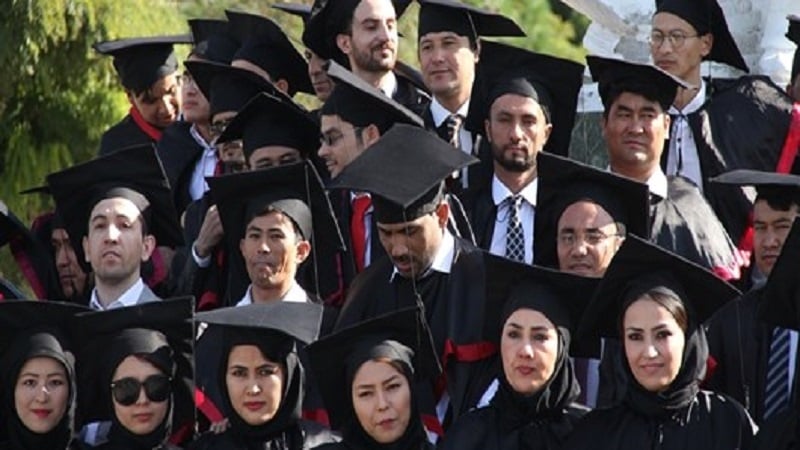
On Investment and Human Capital Afghanistan is rich, but its people are poor. Afghans abroad invest — in Iran, Tajikistan, Uzbekistan, UAE, Turkey — but inside Afghanistan, investment is insecure. Kidnappings and insecurity drive investors away. We must build confidence and protect investments. The mindset that investment is theft must change. Investment is not zero-sum; it grows. Human capital is the main factor for productive growth. You, the educated youth, are critical for the future of Afghanistan.
Closing In summary, Afghanistan must manage its resources wisely — water, minerals, geography, and above all, its people. Through transparent governance, rule of law, and the active participation of educated youth, Afghanistan can transition from dependency and insecurity to a stable, prosperous, and self-reliant nation. May God grant success.