December 21, 2023
Episode 2: Returnees and its Challenges
This podcast episode analyzes the forced return of Afghan refugees from Pakistan, focusing on the complex task of reintegrating a generation that has lived its entire life in exile. It explores the legal challenges of property restitution, the preservation of linguistic identity, and the need for a national consensus to prevent social tension. By framing the crisis as a test of national solidarity, the discussion emphasizes that long-term stability depends on converting these returnees from a perceived burden into a productive force for economic development.
Transcript
<p data-path-to-node="0">The second episode of the podcast series, which shifts from the macro-economic theory of the first episode to the <strong data-path-to-node="0" data-index-in-node="141">social and legal mechanics</strong> of integrating millions of returning refugees.</p>
<hr data-path-to-node="1">
<h2 data-path-to-node="2"><strong data-path-to-node="2" data-index-in-node="0">I. The "Small Afghanistan" Model</strong></h2>
<p data-path-to-node="3">The core sociological theme is the concept of <strong data-path-to-node="3" data-index-in-node="46">"Small Afghanistan"</strong> (<em data-path-to-node="3" data-index-in-node="67">Afghanistan-e-Kochek</em>).</p>
<ul data-path-to-node="4">
<li>
<p data-path-to-node="4,0,0"><strong data-path-to-node="4,0,0" data-index-in-node="0">The Reality of Diversity:</strong> Most provinces (like Kunduz, Helmand, or Nimroz) are not mono-ethnic; they are micro-reflections of the entire country.</p>
</li>
<li>
<p data-path-to-node="4,1,0"><strong data-path-to-node="4,1,0" data-index-in-node="0">Social Cohesion:</strong> Reintegration must leverage this existing diversity. If returnees are welcomed as "compatriots" rather than "outsiders," they strengthen national identity.</p>
</li>
<li>
<p data-path-to-node="4,2,0"><strong data-path-to-node="4,2,0" data-index-in-node="0">The "Step-Mother" Warning:</strong> The discussion warns that the state must act as a "compassionate mother" rather than a "step-mother" to avoid creating a permanent underclass of alienated citizens.</p>
</li>
</ul>
<h2 data-path-to-node="5"><strong data-path-to-node="5" data-index-in-node="0">II. The Generational Gap & Identity</strong></h2>
<p data-path-to-node="6">A significant portion of returnees are <strong data-path-to-node="6" data-index-in-node="39">second and third-generation exiles</strong> born in Pakistan or Iran.</p>
<ul data-path-to-node="7">
<li>
<p data-path-to-node="7,0,0"><strong data-path-to-node="7,0,0" data-index-in-node="0">Memory vs. Experience:</strong> For these youths, Afghanistan is a "memory of their elders," not a lived experience.</p>
</li>
<li>
<p data-path-to-node="7,1,0"><strong data-path-to-node="7,1,0" data-index-in-node="0">Linguistic Barriers:</strong> Many return with Urdu or Persian influences and face a "linguistic shock." The brief emphasizes that linguistic diversity should be treated as a strength (like in Canada) rather than a source of division.</p>
</li>
<li>
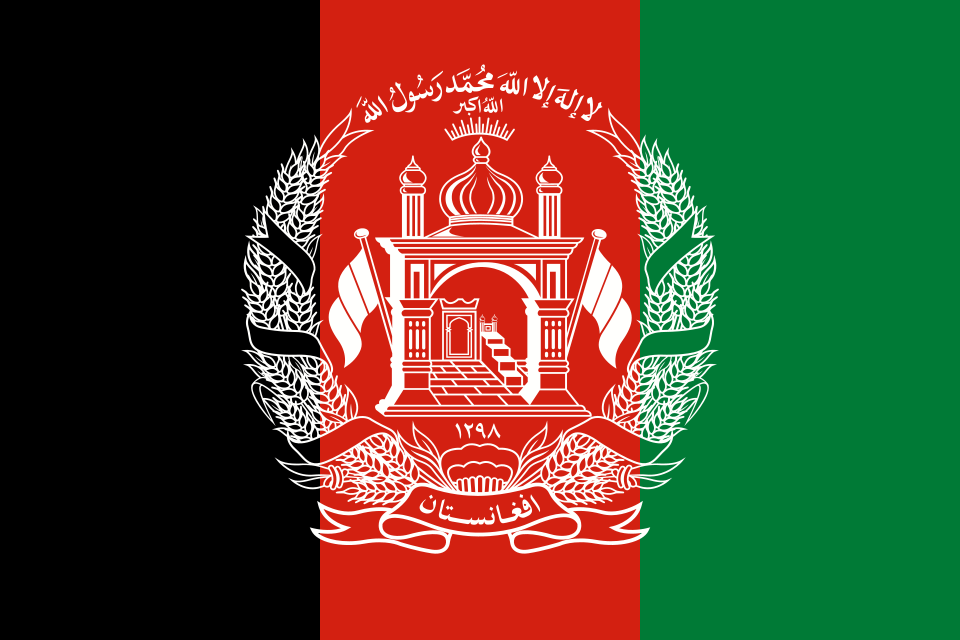
<p data-path-to-node="7,2,0"><strong data-path-to-node="7,2,0" data-index-in-node="0">National Symbols:</strong> Cultural friction over symbols (like the national flag vs. group banners) is identified as a critical area where education and mutual respect are needed to prevent "tension."</p>
</li>
</ul>
<h2 data-path-to-node="8"><strong data-path-to-node="8" data-index-in-node="0">III. Land, Property, and the "Great Usurpation"</strong></h2>
<p data-path-to-node="9">The most technical part of the discussion addresses the <strong data-path-to-node="9" data-index-in-node="56">land crisis</strong>:</p>
<ul data-path-to-node="10">
<li>
<p data-path-to-node="10,0,0"><strong data-path-to-node="10,0,0" data-index-in-node="0">The Scale of Theft:</strong> An estimated <strong data-path-to-node="10,0,0" data-index-in-node="33">one million hectares of land</strong> were "usurped" (illegally seized) during the first 14 years of the Republic.</p>
</li>
<li>
<p data-path-to-node="10,1,0"><strong data-path-to-node="10,1,0" data-index-in-node="0">Legal Solutions:</strong> To settle disputes between returnees and current occupants, a "Technical Consensus" is proposed:</p>
<ul data-path-to-node="10,1,1">
<li>
<p data-path-to-node="10,1,1,0,0"><strong data-path-to-node="10,1,1,0,0" data-index-in-node="0">Legalization Fees:</strong> Current occupants of built-up land should pay a "legalization fee."</p>
</li>
<li>
<p data-path-to-node="10,1,1,1,0"><strong data-path-to-node="10,1,1,1,0" data-index-in-node="0">Compensation Fund:</strong> These fees should fund a pool to compensate returning rightful owners who cannot reclaim their original physical plots.</p>
</li>
</ul>
</li>
<li>
<p data-path-to-node="10,2,0"><strong data-path-to-node="10,2,0" data-index-in-node="0">Customary vs. Sharia Law:</strong> Since many Afghans rely on customary (<em data-path-to-node="10,2,0" data-index-in-node="64">Urfi</em>) deeds rather than formal Sharia deeds, a process of "verification through local Shuras" is suggested to formalize property rights.</p>
</li>
</ul>
<h2 data-path-to-node="11"><strong data-path-to-node="11" data-index-in-node="0">IV. Water as an Economic Engine</strong></h2>
<p data-path-to-node="12">The episode links the refugee crisis to <strong data-path-to-node="12" data-index-in-node="40">water management</strong>, specifically the <strong data-path-to-node="12" data-index-in-node="75">Kunar River</strong>:</p>
<ul data-path-to-node="13">
<li>
<p data-path-to-node="13,0,0"><strong data-path-to-node="13,0,0" data-index-in-node="0">Strategic Reponses:</strong> While some call for "revenge" against Pakistan (e.g., cutting off water), the discussion advises <strong data-path-to-node="13,0,0" data-index-in-node="117">"Logic over Emotion."</strong> * <strong data-path-to-node="13,0,0" data-index-in-node="141">The Kunar Projects:</strong> Plans exist for dams generating over <strong data-path-to-node="13,0,0" data-index-in-node="198">1,000 MW of power</strong>. However, because the Kunar is a transboundary river (flowing out and back in), international financing requires regional cooperation.</p>
</li>
<li>
<p data-path-to-node="13,1,0"><strong data-path-to-node="13,1,0" data-index-in-node="0">The "Nakamura Method":</strong> Smaller, low-cost irrigation projects (like those of Dr. Tetsu Nakamura) are praised as more effective for immediate job creation and agricultural stability than mega-dams.</p>
</li>
</ul>
<h2 data-path-to-node="14"><strong data-path-to-node="14" data-index-in-node="0">V. The Economic Opportunity Cost</strong></h2>
<p data-path-to-node="15">The episode concludes with a "reality check" on what was lost:</p>
<ul data-path-to-node="16">
<li>
<p data-path-to-node="16,0,0"><strong data-path-to-node="16,0,0" data-index-in-node="0">The 2020 Commitments:</strong> By 2020, the international community had pledged <strong data-path-to-node="16,0,0" data-index-in-node="71">$12 billion</strong> over four years, which was intended to fund a 5-year voluntary return plan.</p>
</li>
<li>
<p data-path-to-node="16,1,0"><strong data-path-to-node="16,1,0" data-index-in-node="0">Capital Flight:</strong> Afghan refugees in Pakistan held an estimated <strong data-path-to-node="16,1,0" data-index-in-node="62">$6–20 billion in assets</strong>. Because of forced expulsion and lack of legal protection, much of this wealth is being lost or seized by Pakistani partners, dealing a blow to Afghanistan's potential private sector.</p>
</li>
</ul>
<hr data-path-to-node="1">
<h2 data-path-to-node="2"><strong data-path-to-node="2" data-index-in-node="0">I. The "Small Afghanistan" Model</strong></h2>
<p data-path-to-node="3">The core sociological theme is the concept of <strong data-path-to-node="3" data-index-in-node="46">"Small Afghanistan"</strong> (<em data-path-to-node="3" data-index-in-node="67">Afghanistan-e-Kochek</em>).</p>
<ul data-path-to-node="4">
<li>
<p data-path-to-node="4,0,0"><strong data-path-to-node="4,0,0" data-index-in-node="0">The Reality of Diversity:</strong> Most provinces (like Kunduz, Helmand, or Nimroz) are not mono-ethnic; they are micro-reflections of the entire country.</p>
</li>
<li>
<p data-path-to-node="4,1,0"><strong data-path-to-node="4,1,0" data-index-in-node="0">Social Cohesion:</strong> Reintegration must leverage this existing diversity. If returnees are welcomed as "compatriots" rather than "outsiders," they strengthen national identity.</p>
</li>
<li>
<p data-path-to-node="4,2,0"><strong data-path-to-node="4,2,0" data-index-in-node="0">The "Step-Mother" Warning:</strong> The discussion warns that the state must act as a "compassionate mother" rather than a "step-mother" to avoid creating a permanent underclass of alienated citizens.</p>
</li>
</ul>
<h2 data-path-to-node="5"><strong data-path-to-node="5" data-index-in-node="0">II. The Generational Gap & Identity</strong></h2>
<p data-path-to-node="6">A significant portion of returnees are <strong data-path-to-node="6" data-index-in-node="39">second and third-generation exiles</strong> born in Pakistan or Iran.</p>
<ul data-path-to-node="7">
<li>
<p data-path-to-node="7,0,0"><strong data-path-to-node="7,0,0" data-index-in-node="0">Memory vs. Experience:</strong> For these youths, Afghanistan is a "memory of their elders," not a lived experience.</p>
</li>
<li>
<p data-path-to-node="7,1,0"><strong data-path-to-node="7,1,0" data-index-in-node="0">Linguistic Barriers:</strong> Many return with Urdu or Persian influences and face a "linguistic shock." The brief emphasizes that linguistic diversity should be treated as a strength (like in Canada) rather than a source of division.</p>
</li>
<li>
<p data-path-to-node="7,2,0"><strong data-path-to-node="7,2,0" data-index-in-node="0">National Symbols:</strong> Cultural friction over symbols (like the national flag vs. group banners) is identified as a critical area where education and mutual respect are needed to prevent "tension."</p>
</li>
</ul>
<h2 data-path-to-node="8"><strong data-path-to-node="8" data-index-in-node="0">III. Land, Property, and the "Great Usurpation"</strong></h2>
<p data-path-to-node="9">The most technical part of the discussion addresses the <strong data-path-to-node="9" data-index-in-node="56">land crisis</strong>:</p>
<ul data-path-to-node="10">
<li>
<p data-path-to-node="10,0,0"><strong data-path-to-node="10,0,0" data-index-in-node="0">The Scale of Theft:</strong> An estimated <strong data-path-to-node="10,0,0" data-index-in-node="33">one million hectares of land</strong> were "usurped" (illegally seized) during the first 14 years of the Republic.</p>
</li>
<li>
<p data-path-to-node="10,1,0"><strong data-path-to-node="10,1,0" data-index-in-node="0">Legal Solutions:</strong> To settle disputes between returnees and current occupants, a "Technical Consensus" is proposed:</p>
<ul data-path-to-node="10,1,1">
<li>
<p data-path-to-node="10,1,1,0,0"><strong data-path-to-node="10,1,1,0,0" data-index-in-node="0">Legalization Fees:</strong> Current occupants of built-up land should pay a "legalization fee."</p>
</li>
<li>
<p data-path-to-node="10,1,1,1,0"><strong data-path-to-node="10,1,1,1,0" data-index-in-node="0">Compensation Fund:</strong> These fees should fund a pool to compensate returning rightful owners who cannot reclaim their original physical plots.</p>
</li>
</ul>
</li>
<li>
<p data-path-to-node="10,2,0"><strong data-path-to-node="10,2,0" data-index-in-node="0">Customary vs. Sharia Law:</strong> Since many Afghans rely on customary (<em data-path-to-node="10,2,0" data-index-in-node="64">Urfi</em>) deeds rather than formal Sharia deeds, a process of "verification through local Shuras" is suggested to formalize property rights.</p>
</li>
</ul>
<h2 data-path-to-node="11"><strong data-path-to-node="11" data-index-in-node="0">IV. Water as an Economic Engine</strong></h2>
<p data-path-to-node="12">The episode links the refugee crisis to <strong data-path-to-node="12" data-index-in-node="40">water management</strong>, specifically the <strong data-path-to-node="12" data-index-in-node="75">Kunar River</strong>:</p>
<ul data-path-to-node="13">
<li>
<p data-path-to-node="13,0,0"><strong data-path-to-node="13,0,0" data-index-in-node="0">Strategic Reponses:</strong> While some call for "revenge" against Pakistan (e.g., cutting off water), the discussion advises <strong data-path-to-node="13,0,0" data-index-in-node="117">"Logic over Emotion."</strong> * <strong data-path-to-node="13,0,0" data-index-in-node="141">The Kunar Projects:</strong> Plans exist for dams generating over <strong data-path-to-node="13,0,0" data-index-in-node="198">1,000 MW of power</strong>. However, because the Kunar is a transboundary river (flowing out and back in), international financing requires regional cooperation.</p>
</li>
<li>
<p data-path-to-node="13,1,0"><strong data-path-to-node="13,1,0" data-index-in-node="0">The "Nakamura Method":</strong> Smaller, low-cost irrigation projects (like those of Dr. Tetsu Nakamura) are praised as more effective for immediate job creation and agricultural stability than mega-dams.</p>
</li>
</ul>
<h2 data-path-to-node="14"><strong data-path-to-node="14" data-index-in-node="0">V. The Economic Opportunity Cost</strong></h2>
<p data-path-to-node="15">The episode concludes with a "reality check" on what was lost:</p>
<ul data-path-to-node="16">
<li>
<p data-path-to-node="16,0,0"><strong data-path-to-node="16,0,0" data-index-in-node="0">The 2020 Commitments:</strong> By 2020, the international community had pledged <strong data-path-to-node="16,0,0" data-index-in-node="71">$12 billion</strong> over four years, which was intended to fund a 5-year voluntary return plan.</p>
</li>
<li>
<p data-path-to-node="16,1,0"><strong data-path-to-node="16,1,0" data-index-in-node="0">Capital Flight:</strong> Afghan refugees in Pakistan held an estimated <strong data-path-to-node="16,1,0" data-index-in-node="62">$6–20 billion in assets</strong>. Because of forced expulsion and lack of legal protection, much of this wealth is being lost or seized by Pakistani partners, dealing a blow to Afghanistan's potential private sector.</p>
</li>
</ul>