
January 2, 2025
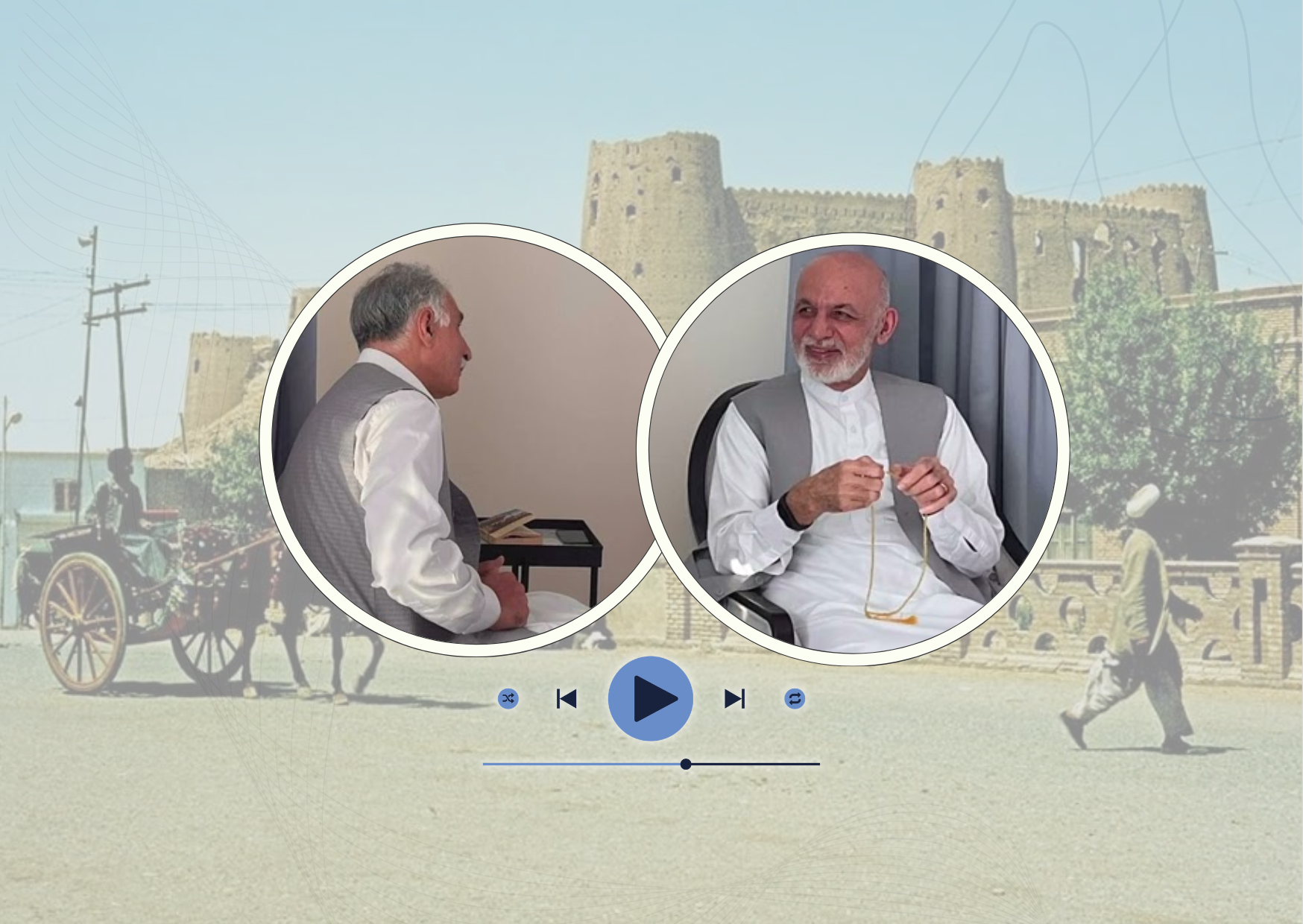
Episode 29: Historical Overview of Kabul City (Part II)
This episode explores Kabul’s transformation, focusing on the restoration of historic landmarks like Darul Aman Palace, Shah-Do Shamshira Mosque, Bala Hissar, and key gardens, alongside reviving green spaces such as Bagh-e Alam Ganj and Bagh-e Babur. It highlights urban planning efforts to reconnect the city through corridors, pedestrian paths, and cultural hubs, integrating historical architecture with modern functionality. The discussion also covers water management, restoration of historical streams and reservoirs, and creating inclusive public spaces for recreation and cultural engagement.
Transcript
<p data-path-to-node="3">This episode examines the extensive efforts to restore and modernize Kabul while preserving its historical and cultural heritage. The discussion focuses on key landmarks, gardens, urban planning, and infrastructure improvements.</p>
<h3 data-path-to-node="4"><strong data-path-to-node="4" data-index-in-node="0">1. Restoration of Historic Landmarks</strong></h3>
<ul data-path-to-node="5">
<li>
<p data-path-to-node="5,0,0"><strong data-path-to-node="5,0,0" data-index-in-node="0">Darul Aman Palace and Bala Hissar</strong> – Rebuilt to reflect historical architecture while serving modern functions. <strong data-path-to-node="5,0,0" data-index-in-node="111">Darul Aman</strong> also houses administrative offices and exhibition spaces.</p>
</li>
<li>
<p data-path-to-node="5,1,0"><strong data-path-to-node="5,1,0" data-index-in-node="0">Historic Mosques</strong> – <strong data-path-to-node="5,1,0" data-index-in-node="19">Shah-Do Shamshira</strong>, the <strong data-path-to-node="5,1,0" data-index-in-node="42">Bala Hissar Mosque</strong> (also known as the Shah Mosque), and other iconic mosques were restored as cultural and religious centers.</p>
</li>
<li>
<p data-path-to-node="5,2,0"><strong data-path-to-node="5,2,0" data-index-in-node="0">Taj Beg Palace and Paghman Residences</strong> – Reconstruction preserved the original design using historical references, photographs, and traditional materials like <strong data-path-to-node="5,2,0" data-index-in-node="158">Kunar</strong> timber and local masonry.</p>
</li>
</ul>
<h3 data-path-to-node="6"><strong data-path-to-node="6" data-index-in-node="0">2. Revival of Gardens and Green Spaces</strong></h3>
<ul data-path-to-node="7">
<li>
<p data-path-to-node="7,0,0"><strong data-path-to-node="7,0,0" data-index-in-node="0">Bagh-e Alam Ganj and Bagh-e Babur</strong> – Restored and expanded to serve as cultural, recreational, and educational hubs.</p>
</li>
<li>
<p data-path-to-node="7,1,0"><strong data-path-to-node="7,1,0" data-index-in-node="0">Bagh-e Alam Ganj Infrastructure</strong> – Features the historic <strong data-path-to-node="7,1,0" data-index-in-node="56">Machine Khana</strong> site, with large halls and open spaces designed to host thousands of visitors for events and exhibitions.</p>
</li>
<li>
<p data-path-to-node="7,2,0"><strong data-path-to-node="7,2,0" data-index-in-node="0">Public Parks and Green Corridors</strong> – Plans include pedestrian-friendly paths, small and medium parks, and dedicated areas for women and children.</p>
</li>
</ul>
<h3 data-path-to-node="8"><strong data-path-to-node="8" data-index-in-node="0">3. Urban Planning and Connectivity</strong></h3>
<ul data-path-to-node="9">
<li>
<p data-path-to-node="9,0,0"><strong data-path-to-node="9,0,0" data-index-in-node="0">Cultural and Economic Corridors</strong> – Connecting historic sites, government buildings, and public spaces through planned pedestrian routes and the <strong data-path-to-node="9,0,0" data-index-in-node="143">"Kabul Gate"</strong> corridor.</p>
</li>
<li>
<p data-path-to-node="9,1,0"><strong data-path-to-node="9,1,0" data-index-in-node="0">Mountain and Hill Development</strong> – <strong data-path-to-node="9,1,0" data-index-in-node="32">Sher Darwaza</strong> and <strong data-path-to-node="9,1,0" data-index-in-node="49">Asmayi</strong> hills were targeted for walking paths, eco-restoration, and recreational trails (including cable car and "Thousand Step" projects).</p>
</li>
<li>
<p data-path-to-node="9,2,0"><strong data-path-to-node="9,2,0" data-index-in-node="0">Integration of Residential and Public Areas</strong> – Focusing on formalizing unplanned settlements to ensure citizen access while maintaining aesthetic harmony with historical architecture.</p>
</li>
</ul>
<h3 data-path-to-node="10"><strong data-path-to-node="10" data-index-in-node="0">4. Water Management and Environmental Focus</strong></h3>
<ul data-path-to-node="11">
<li>
<p data-path-to-node="11,0,0"><strong data-path-to-node="11,0,0" data-index-in-node="0">Restoring Historical Streams and Reservoirs</strong> – Includes <strong data-path-to-node="11,0,0" data-index-in-node="55">Joy-e Shir</strong> and other ancient canals, as well as wetlands like <strong data-path-to-node="11,0,0" data-index-in-node="117">Kol-e Hashmat Khan</strong>.</p>
</li>
<li>
<p data-path-to-node="11,1,0"><strong data-path-to-node="11,1,0" data-index-in-node="0">Sustainable Urban Environment</strong> – Integrated green spaces and water systems aimed to improve air quality, manage seasonal flooding, and enhance urban aesthetics.</p>
</li>
</ul>
<h3 data-path-to-node="12"><strong data-path-to-node="12" data-index-in-node="0">5. Balancing Heritage and Modern Needs</strong></h3>
<ul data-path-to-node="13">
<li>
<p data-path-to-node="13,0,0">Preserving historical identity while supporting modern administration, tourism, and community life.</p>
</li>
<li>
<p data-path-to-node="13,1,0">Ensuring continuity of cultural memory through museums, archives (such as the <strong data-path-to-node="13,1,0" data-index-in-node="78">Arg</strong> digital archives), and interactive public spaces.</p>
</li>
<li>
<p data-path-to-node="13,2,0">Emphasis on citizen participation, accessibility, and educational engagement to reconnect the people with their city’s roots.</p>
</li>
</ul>
<h3 data-path-to-node="4"><strong data-path-to-node="4" data-index-in-node="0">1. Restoration of Historic Landmarks</strong></h3>
<ul data-path-to-node="5">
<li>
<p data-path-to-node="5,0,0"><strong data-path-to-node="5,0,0" data-index-in-node="0">Darul Aman Palace and Bala Hissar</strong> – Rebuilt to reflect historical architecture while serving modern functions. <strong data-path-to-node="5,0,0" data-index-in-node="111">Darul Aman</strong> also houses administrative offices and exhibition spaces.</p>
</li>
<li>
<p data-path-to-node="5,1,0"><strong data-path-to-node="5,1,0" data-index-in-node="0">Historic Mosques</strong> – <strong data-path-to-node="5,1,0" data-index-in-node="19">Shah-Do Shamshira</strong>, the <strong data-path-to-node="5,1,0" data-index-in-node="42">Bala Hissar Mosque</strong> (also known as the Shah Mosque), and other iconic mosques were restored as cultural and religious centers.</p>
</li>
<li>
<p data-path-to-node="5,2,0"><strong data-path-to-node="5,2,0" data-index-in-node="0">Taj Beg Palace and Paghman Residences</strong> – Reconstruction preserved the original design using historical references, photographs, and traditional materials like <strong data-path-to-node="5,2,0" data-index-in-node="158">Kunar</strong> timber and local masonry.</p>
</li>
</ul>
<h3 data-path-to-node="6"><strong data-path-to-node="6" data-index-in-node="0">2. Revival of Gardens and Green Spaces</strong></h3>
<ul data-path-to-node="7">
<li>
<p data-path-to-node="7,0,0"><strong data-path-to-node="7,0,0" data-index-in-node="0">Bagh-e Alam Ganj and Bagh-e Babur</strong> – Restored and expanded to serve as cultural, recreational, and educational hubs.</p>
</li>
<li>
<p data-path-to-node="7,1,0"><strong data-path-to-node="7,1,0" data-index-in-node="0">Bagh-e Alam Ganj Infrastructure</strong> – Features the historic <strong data-path-to-node="7,1,0" data-index-in-node="56">Machine Khana</strong> site, with large halls and open spaces designed to host thousands of visitors for events and exhibitions.</p>
</li>
<li>
<p data-path-to-node="7,2,0"><strong data-path-to-node="7,2,0" data-index-in-node="0">Public Parks and Green Corridors</strong> – Plans include pedestrian-friendly paths, small and medium parks, and dedicated areas for women and children.</p>
</li>
</ul>
<h3 data-path-to-node="8"><strong data-path-to-node="8" data-index-in-node="0">3. Urban Planning and Connectivity</strong></h3>
<ul data-path-to-node="9">
<li>
<p data-path-to-node="9,0,0"><strong data-path-to-node="9,0,0" data-index-in-node="0">Cultural and Economic Corridors</strong> – Connecting historic sites, government buildings, and public spaces through planned pedestrian routes and the <strong data-path-to-node="9,0,0" data-index-in-node="143">"Kabul Gate"</strong> corridor.</p>
</li>
<li>
<p data-path-to-node="9,1,0"><strong data-path-to-node="9,1,0" data-index-in-node="0">Mountain and Hill Development</strong> – <strong data-path-to-node="9,1,0" data-index-in-node="32">Sher Darwaza</strong> and <strong data-path-to-node="9,1,0" data-index-in-node="49">Asmayi</strong> hills were targeted for walking paths, eco-restoration, and recreational trails (including cable car and "Thousand Step" projects).</p>
</li>
<li>
<p data-path-to-node="9,2,0"><strong data-path-to-node="9,2,0" data-index-in-node="0">Integration of Residential and Public Areas</strong> – Focusing on formalizing unplanned settlements to ensure citizen access while maintaining aesthetic harmony with historical architecture.</p>
</li>
</ul>
<h3 data-path-to-node="10"><strong data-path-to-node="10" data-index-in-node="0">4. Water Management and Environmental Focus</strong></h3>
<ul data-path-to-node="11">
<li>
<p data-path-to-node="11,0,0"><strong data-path-to-node="11,0,0" data-index-in-node="0">Restoring Historical Streams and Reservoirs</strong> – Includes <strong data-path-to-node="11,0,0" data-index-in-node="55">Joy-e Shir</strong> and other ancient canals, as well as wetlands like <strong data-path-to-node="11,0,0" data-index-in-node="117">Kol-e Hashmat Khan</strong>.</p>
</li>
<li>
<p data-path-to-node="11,1,0"><strong data-path-to-node="11,1,0" data-index-in-node="0">Sustainable Urban Environment</strong> – Integrated green spaces and water systems aimed to improve air quality, manage seasonal flooding, and enhance urban aesthetics.</p>
</li>
</ul>
<h3 data-path-to-node="12"><strong data-path-to-node="12" data-index-in-node="0">5. Balancing Heritage and Modern Needs</strong></h3>
<ul data-path-to-node="13">
<li>
<p data-path-to-node="13,0,0">Preserving historical identity while supporting modern administration, tourism, and community life.</p>
</li>
<li>
<p data-path-to-node="13,1,0">Ensuring continuity of cultural memory through museums, archives (such as the <strong data-path-to-node="13,1,0" data-index-in-node="78">Arg</strong> digital archives), and interactive public spaces.</p>
</li>
<li>
<p data-path-to-node="13,2,0">Emphasis on citizen participation, accessibility, and educational engagement to reconnect the people with their city’s roots.</p>
</li>
</ul>