August 1, 2024
Episode 19: Civilization Capital (Part II)
This episode continues the discussion on civilizational capital by examining the development of Islamic jurisprudence, intellectual traditions, and political thought. It reflects on the influence of major scholars such as Imam Abu Hanifa and Ibn Taymiyyah, and connects their ideas to institutional reform, education, and governance in Afghanistan. The episode emphasizes that understanding this intellectual legacy is essential for shaping a confident and forward-looking future.
Transcript
<p>1. Introduction</p>
<p>Focus on civilizational capital and its role in shaping Afghan society.</p>
<p>Continuation from previous episodes, emphasizing historical intellectual contributions.</p>
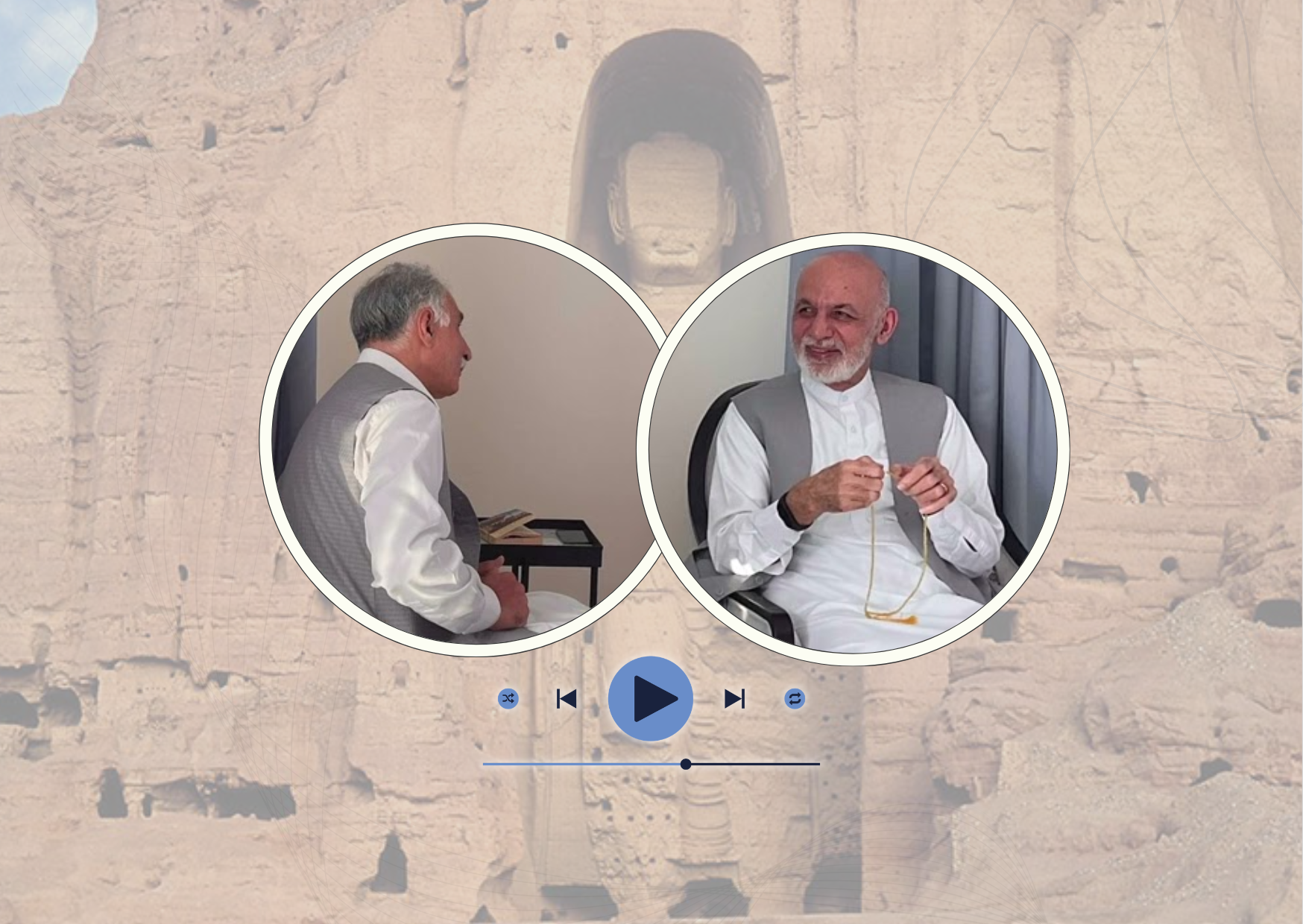
<p>Hosts: Daoud Janesh and Mohammad Ashraf Ghani.</p>
<p>2. Key Islamic Scholars and Their Influence</p>
<p>a. Imam Abu Hanifa (8th century)</p>
<p>Afghan origin, later influential in Kufa, Iraq.</p>
<p>Founder of the Hanafi school of thought, dominant in Central Asia and Afghanistan.</p>
<p>Key contributions: emphasis on reason (ra’y) and independent thought; refused high governmental positions, emphasizing the need for public consensus (shura) in governance.</p>
<p>b. Imam Al-Haramayn Al-Juwayni (11th century)</p>
<p>From Fara, lived in Nishapur and later the Hijaz.</p>
<p>Focused on maintaining religious continuity through strong individual and communal belief.</p>
<p>Pioneered methods of interpretation, linguistics, and jurisprudential reasoning.</p>
<p>c. Ibn Taymiyyah (14th century)</p>
<p>Advocated returning to early Islamic principles (Salaf) and emphasized individual accountability.</p>
<p>Critiqued later periods of Islamic jurisprudence, opening the door for renewed ijtihad (independent reasoning).</p>
<p>3. Islamic Educational Institutions</p>
<p>a. Darul Uloom Deoband</p>
<p>Established to unify Islamic learning under a single curriculum.</p>
<p>Emphasized Hadith and non-political religious education.</p>
<p>Influenced the wider South Asian Islamic scholarship and movements, including Pakistan’s religious schools.</p>
<p>b. Al-Azhar University</p>
<p>Longstanding center of Islamic learning in Egypt.</p>
<p>Historically influenced by Fatimid and later Sunni rule.</p>
<p>Produced scholars who contributed to modern Afghan law, including civil and penal codes.</p>
<p>4. Afghan Historical Context</p>
<p>Highlighted the role of scholars in the formation of Afghanistan’s centralized state under Amir Abdur Rahman Khan.</p>
<p>Emphasis on legal reforms, judicial independence, and implementing Hanafi jurisprudence.</p>
<p>Scholars like Mawlawi Ahmad Jan Khan Al-Koozi codified judicial and administrative procedures.</p>
<p>5. Interaction with Colonialism and Regional Thought</p>
<p>Reviewed the impact of British and European colonialism on Afghanistan and South Asia.</p>
<p>Discussed thinkers like Seyed Jamal al-Din Afghan and Khan Abdul Ghaffar Khan.</p>
<p>Explored how colonialism disrupted Islamic education and civilizational continuity.</p>
<p>6. Civilizational Lessons for Modern Afghanistan</p>
<p>Emphasized reconnecting with Afghanistan’s intellectual heritage.</p>
<p>Importance of blending Islamic tradition with modern education and technology.</p>
<p>Promoted civic engagement and informed leadership based on historical insights.</p>
<p>Reinforced the notion that civilizational capital is both an educational and societal asset.</p>
<p>7. Conclusion</p>
<p>Understanding historical Islamic scholarship and Afghan educational reforms is essential for building national unity.</p>
<p>Encourages Afghan youth to study both classical and contemporary sources.</p>
<p>Highlights the role of civilizational capital in national development, governance, and identity.</p>
<p>Focus on civilizational capital and its role in shaping Afghan society.</p>
<p>Continuation from previous episodes, emphasizing historical intellectual contributions.</p>
<p>Hosts: Daoud Janesh and Mohammad Ashraf Ghani.</p>
<p>2. Key Islamic Scholars and Their Influence</p>
<p>a. Imam Abu Hanifa (8th century)</p>
<p>Afghan origin, later influential in Kufa, Iraq.</p>
<p>Founder of the Hanafi school of thought, dominant in Central Asia and Afghanistan.</p>
<p>Key contributions: emphasis on reason (ra’y) and independent thought; refused high governmental positions, emphasizing the need for public consensus (shura) in governance.</p>
<p>b. Imam Al-Haramayn Al-Juwayni (11th century)</p>
<p>From Fara, lived in Nishapur and later the Hijaz.</p>
<p>Focused on maintaining religious continuity through strong individual and communal belief.</p>
<p>Pioneered methods of interpretation, linguistics, and jurisprudential reasoning.</p>
<p>c. Ibn Taymiyyah (14th century)</p>
<p>Advocated returning to early Islamic principles (Salaf) and emphasized individual accountability.</p>
<p>Critiqued later periods of Islamic jurisprudence, opening the door for renewed ijtihad (independent reasoning).</p>
<p>3. Islamic Educational Institutions</p>
<p>a. Darul Uloom Deoband</p>
<p>Established to unify Islamic learning under a single curriculum.</p>
<p>Emphasized Hadith and non-political religious education.</p>
<p>Influenced the wider South Asian Islamic scholarship and movements, including Pakistan’s religious schools.</p>
<p>b. Al-Azhar University</p>
<p>Longstanding center of Islamic learning in Egypt.</p>
<p>Historically influenced by Fatimid and later Sunni rule.</p>
<p>Produced scholars who contributed to modern Afghan law, including civil and penal codes.</p>
<p>4. Afghan Historical Context</p>
<p>Highlighted the role of scholars in the formation of Afghanistan’s centralized state under Amir Abdur Rahman Khan.</p>
<p>Emphasis on legal reforms, judicial independence, and implementing Hanafi jurisprudence.</p>
<p>Scholars like Mawlawi Ahmad Jan Khan Al-Koozi codified judicial and administrative procedures.</p>
<p>5. Interaction with Colonialism and Regional Thought</p>
<p>Reviewed the impact of British and European colonialism on Afghanistan and South Asia.</p>
<p>Discussed thinkers like Seyed Jamal al-Din Afghan and Khan Abdul Ghaffar Khan.</p>
<p>Explored how colonialism disrupted Islamic education and civilizational continuity.</p>
<p>6. Civilizational Lessons for Modern Afghanistan</p>
<p>Emphasized reconnecting with Afghanistan’s intellectual heritage.</p>
<p>Importance of blending Islamic tradition with modern education and technology.</p>
<p>Promoted civic engagement and informed leadership based on historical insights.</p>
<p>Reinforced the notion that civilizational capital is both an educational and societal asset.</p>
<p>7. Conclusion</p>
<p>Understanding historical Islamic scholarship and Afghan educational reforms is essential for building national unity.</p>
<p>Encourages Afghan youth to study both classical and contemporary sources.</p>
<p>Highlights the role of civilizational capital in national development, governance, and identity.</p>