March 28, 2024
Episode 10: Water (Part I)
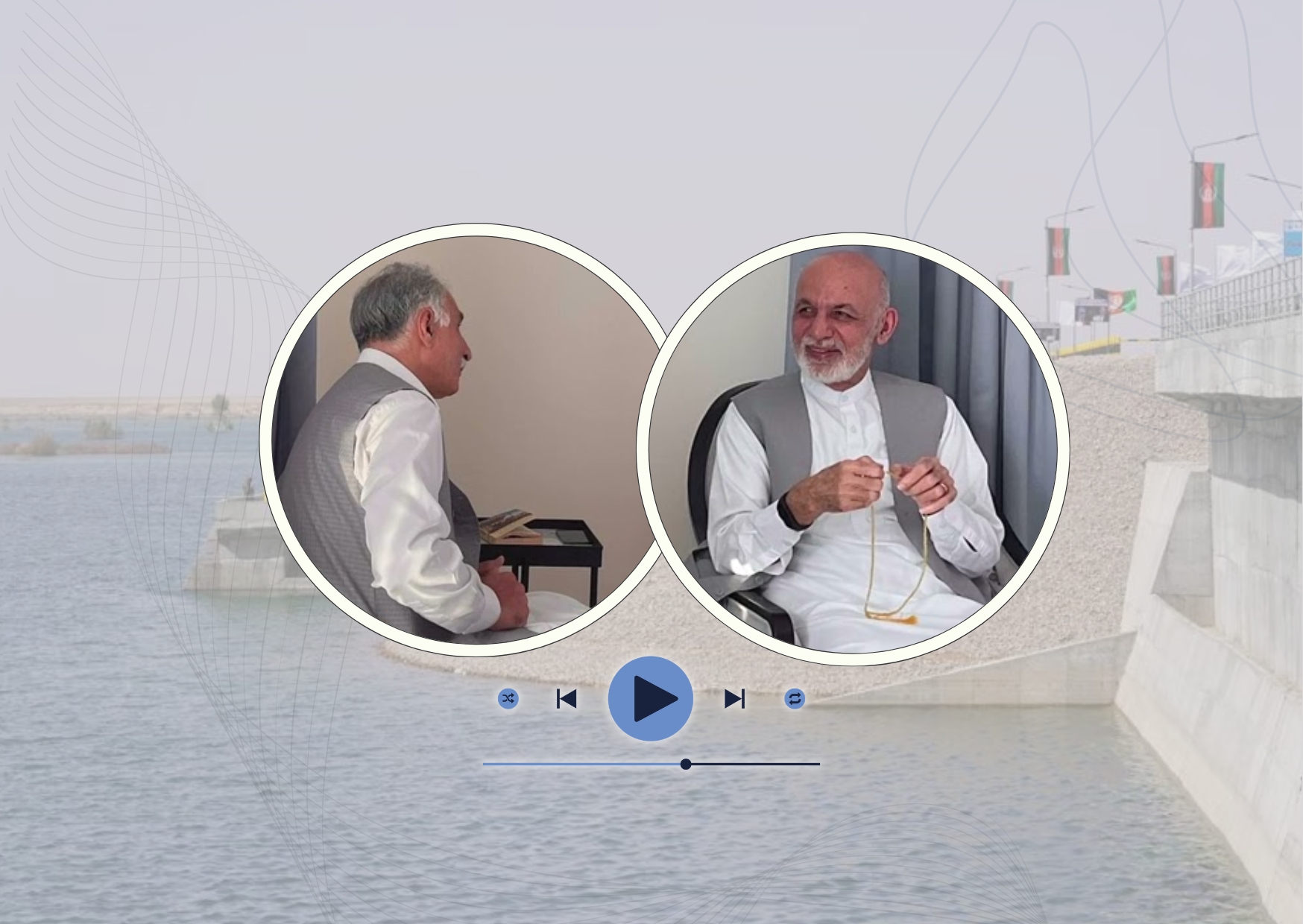
This podcast identifies water management as a strategic priority for national survival and economic growth. It categorizes the country into five major river basins—Kabul, Panj-Amu, Northern, Harirod-Murghab, and Helmand—while warning that climate change and unmanaged deep-well drilling are depleting vital groundwater. The discussion advocates for modern technical data over folklore-based planning, emphasizing natural, soil-based engineering and reforestation for flood control. Ultimately, it stresses that securing water rights through international treaties and technical capacity is essential to ensure regional stability and national prosperity.
Transcript
<h3 data-path-to-node="1"><strong data-path-to-node="1" data-index-in-node="0">Strategic Overview: Geography, Water, and Economy</strong></h3>
<h4 data-path-to-node="2"><strong data-path-to-node="2" data-index-in-node="0">I. The Rebirth of Economic Geography</strong></h4>
<p data-path-to-node="3">The global economic center of gravity is shifting back to Asia, which now produces a massive share of world wealth. For a centrally located nation, this necessitates a transition from being a <strong data-path-to-node="3" data-index-in-node="192">buffer state</strong> (defined by war) to a <strong data-path-to-node="3" data-index-in-node="227">transit state</strong> (defined by trade).</p>
<ul data-path-to-node="4">
<li>
<p data-path-to-node="4,0,0"><strong data-path-to-node="4,0,0" data-index-in-node="0">Land-linked Hub:</strong> By developing road, rail, and fiber-optic corridors, the nation can connect the energy-rich markets of Central Asia with the high-demand markets of South Asia.</p>
</li>
<li>
<p data-path-to-node="4,1,0"><strong data-path-to-node="4,1,0" data-index-in-node="0">The Risk of Isolation:</strong> Neighboring countries will not wait for stability. If infrastructure and security are not provided, they will develop alternative routes that bypass the territory, leading to economic irrelevance.</p>
</li>
</ul>
<h4 data-path-to-node="5"><strong data-path-to-node="5" data-index-in-node="0">II. Energy and Mineral Wealth (The "Mendeleev Table")</strong></h4>
<p data-path-to-node="6">The nation holds a "hidden treasure" of rare earth minerals—nearly every element on the periodic table—which are essential for modern global technology.</p>
<ul data-path-to-node="7">
<li>
<p data-path-to-node="7,0,0"><strong data-path-to-node="7,0,0" data-index-in-node="0">Green Energy Potential:</strong> Beyond minerals, there is a capacity to produce over <strong data-path-to-node="7,0,0" data-index-in-node="77">22,000 MW of hydropower</strong>, alongside massive solar and wind potential.</p>
</li>
<li>
<p data-path-to-node="7,1,0"><strong data-path-to-node="7,1,0" data-index-in-node="0">Industrialization:</strong> This energy should not just be exported but used to power domestic "Green Industry," turning raw materials into high-value finished products.</p>
</li>
</ul>
<h4 data-path-to-node="8"><strong data-path-to-node="8" data-index-in-node="0">III. National Hydrological Strategy</strong></h4>
<p data-path-to-node="9">Water is the lifeblood of the country’s civilization and economy. The series categorizes the hydrological landscape into <strong data-path-to-node="9" data-index-in-node="121">five major basins</strong>:</p>
<ol start="1" data-path-to-node="10">
<li>
<p data-path-to-node="10,0,0"><strong data-path-to-node="10,0,0" data-index-in-node="0">Kabul Basin:</strong> Under high pressure due to massive population density.</p>
</li>
<li>
<p data-path-to-node="10,1,0"><strong data-path-to-node="10,1,0" data-index-in-node="0">Panj-Amu Basin:</strong> Large volumes of water that have historically been underutilized.</p>
</li>
<li>
<p data-path-to-node="10,2,0"><strong data-path-to-node="10,2,0" data-index-in-node="0">Northern Basin:</strong> Critical for local agriculture but facing significant drought stress.</p>
</li>
<li>
<p data-path-to-node="10,3,0"><strong data-path-to-node="10,3,0" data-index-in-node="0">Harirod-Murghab Basin:</strong> Strategically vital for the western regions.</p>
</li>
<li>
<p data-path-to-node="10,4,0"><strong data-path-to-node="10,4,0" data-index-in-node="0">Helmand Basin:</strong> A highly managed system where international treaties and flood control are paramount.</p>
</li>
</ol>
<h4 data-path-to-node="11"><strong data-path-to-node="11" data-index-in-node="0">IV. Technical and Environmental Challenges</strong></h4>
<ul data-path-to-node="12">
<li>
<p data-path-to-node="12,0,0"><strong data-path-to-node="12,0,0" data-index-in-node="0">Climate Change:</strong> Temperatures have risen <strong data-path-to-node="12,0,0" data-index-in-node="40">1.1°C</strong> in the last 50 years, causing irregular snowmelt and an aggressive cycle of six months of drought followed by six months of flash flooding.</p>
</li>
<li>
<p data-path-to-node="12,1,0"><strong data-path-to-node="12,1,0" data-index-in-node="0">Groundwater Crisis:</strong> There is a critical warning against the unregulated drilling of deep wells in cities. These often tap into "trapped" ancient water that does not replenish, leading to an irreversible urban water crisis.</p>
</li>
<li>
<p data-path-to-node="12,2,0"><strong data-path-to-node="12,2,0" data-index-in-node="0">Engineering Philosophy:</strong> The discussion advocates for <strong data-path-to-node="12,2,0" data-index-in-node="53">natural, soil-based engineering</strong> and reforestation (as pioneered by experts like Dr. Nakamura) over expensive, rigid concrete structures which can be easily damaged by sediment and high-velocity flows.</p>
</li>
</ul>
<h4 data-path-to-node="13"><strong data-path-to-node="13" data-index-in-node="0">V. The Three Pillars of Realization</strong></h4>
<p data-path-to-node="14">For the nation to become the "Heart of Asia," three prerequisites must be met:</p>
<ul data-path-to-node="15">
<li>
<p data-path-to-node="15,0,0"><strong data-path-to-node="15,0,0" data-index-in-node="0">Political Legitimacy & Stability:</strong> International investors require a predictable legal environment for the 10-to-15-year cycles of large-scale infrastructure.</p>
</li>
<li>
<p data-path-to-node="15,1,0"><strong data-path-to-node="15,1,0" data-index-in-node="0">Formal Economy:</strong> Moving away from informal or criminal networks is essential to attract legitimate global capital.</p>
</li>
<li>
<p data-path-to-node="15,2,0"><strong data-path-to-node="15,2,0" data-index-in-node="0">Regional Cooperation:</strong> Success depends on "win-win" logic—adhering to transboundary water treaties and ensuring that connectivity benefits all neighbors.</p>
</li>
</ul>
<hr data-path-to-node="16">
<h3 data-path-to-node="17"><strong data-path-to-node="17" data-index-in-node="0">Conclusion</strong></h3>
<p data-path-to-node="18">The overarching message is that <strong data-path-to-node="18" data-index-in-node="32">poverty is a choice, not a destiny.</strong> By utilizing modern technical data, securing water rights through legal frameworks, and prioritizing regional connectivity, the nation can move from a state of dependency to one of regional economic leadership.</p>
<h4 data-path-to-node="2"><strong data-path-to-node="2" data-index-in-node="0">I. The Rebirth of Economic Geography</strong></h4>
<p data-path-to-node="3">The global economic center of gravity is shifting back to Asia, which now produces a massive share of world wealth. For a centrally located nation, this necessitates a transition from being a <strong data-path-to-node="3" data-index-in-node="192">buffer state</strong> (defined by war) to a <strong data-path-to-node="3" data-index-in-node="227">transit state</strong> (defined by trade).</p>
<ul data-path-to-node="4">
<li>
<p data-path-to-node="4,0,0"><strong data-path-to-node="4,0,0" data-index-in-node="0">Land-linked Hub:</strong> By developing road, rail, and fiber-optic corridors, the nation can connect the energy-rich markets of Central Asia with the high-demand markets of South Asia.</p>
</li>
<li>
<p data-path-to-node="4,1,0"><strong data-path-to-node="4,1,0" data-index-in-node="0">The Risk of Isolation:</strong> Neighboring countries will not wait for stability. If infrastructure and security are not provided, they will develop alternative routes that bypass the territory, leading to economic irrelevance.</p>
</li>
</ul>
<h4 data-path-to-node="5"><strong data-path-to-node="5" data-index-in-node="0">II. Energy and Mineral Wealth (The "Mendeleev Table")</strong></h4>
<p data-path-to-node="6">The nation holds a "hidden treasure" of rare earth minerals—nearly every element on the periodic table—which are essential for modern global technology.</p>
<ul data-path-to-node="7">
<li>
<p data-path-to-node="7,0,0"><strong data-path-to-node="7,0,0" data-index-in-node="0">Green Energy Potential:</strong> Beyond minerals, there is a capacity to produce over <strong data-path-to-node="7,0,0" data-index-in-node="77">22,000 MW of hydropower</strong>, alongside massive solar and wind potential.</p>
</li>
<li>
<p data-path-to-node="7,1,0"><strong data-path-to-node="7,1,0" data-index-in-node="0">Industrialization:</strong> This energy should not just be exported but used to power domestic "Green Industry," turning raw materials into high-value finished products.</p>
</li>
</ul>
<h4 data-path-to-node="8"><strong data-path-to-node="8" data-index-in-node="0">III. National Hydrological Strategy</strong></h4>
<p data-path-to-node="9">Water is the lifeblood of the country’s civilization and economy. The series categorizes the hydrological landscape into <strong data-path-to-node="9" data-index-in-node="121">five major basins</strong>:</p>
<ol start="1" data-path-to-node="10">
<li>
<p data-path-to-node="10,0,0"><strong data-path-to-node="10,0,0" data-index-in-node="0">Kabul Basin:</strong> Under high pressure due to massive population density.</p>
</li>
<li>
<p data-path-to-node="10,1,0"><strong data-path-to-node="10,1,0" data-index-in-node="0">Panj-Amu Basin:</strong> Large volumes of water that have historically been underutilized.</p>
</li>
<li>
<p data-path-to-node="10,2,0"><strong data-path-to-node="10,2,0" data-index-in-node="0">Northern Basin:</strong> Critical for local agriculture but facing significant drought stress.</p>
</li>
<li>
<p data-path-to-node="10,3,0"><strong data-path-to-node="10,3,0" data-index-in-node="0">Harirod-Murghab Basin:</strong> Strategically vital for the western regions.</p>
</li>
<li>
<p data-path-to-node="10,4,0"><strong data-path-to-node="10,4,0" data-index-in-node="0">Helmand Basin:</strong> A highly managed system where international treaties and flood control are paramount.</p>
</li>
</ol>
<h4 data-path-to-node="11"><strong data-path-to-node="11" data-index-in-node="0">IV. Technical and Environmental Challenges</strong></h4>
<ul data-path-to-node="12">
<li>
<p data-path-to-node="12,0,0"><strong data-path-to-node="12,0,0" data-index-in-node="0">Climate Change:</strong> Temperatures have risen <strong data-path-to-node="12,0,0" data-index-in-node="40">1.1°C</strong> in the last 50 years, causing irregular snowmelt and an aggressive cycle of six months of drought followed by six months of flash flooding.</p>
</li>
<li>
<p data-path-to-node="12,1,0"><strong data-path-to-node="12,1,0" data-index-in-node="0">Groundwater Crisis:</strong> There is a critical warning against the unregulated drilling of deep wells in cities. These often tap into "trapped" ancient water that does not replenish, leading to an irreversible urban water crisis.</p>
</li>
<li>
<p data-path-to-node="12,2,0"><strong data-path-to-node="12,2,0" data-index-in-node="0">Engineering Philosophy:</strong> The discussion advocates for <strong data-path-to-node="12,2,0" data-index-in-node="53">natural, soil-based engineering</strong> and reforestation (as pioneered by experts like Dr. Nakamura) over expensive, rigid concrete structures which can be easily damaged by sediment and high-velocity flows.</p>
</li>
</ul>
<h4 data-path-to-node="13"><strong data-path-to-node="13" data-index-in-node="0">V. The Three Pillars of Realization</strong></h4>
<p data-path-to-node="14">For the nation to become the "Heart of Asia," three prerequisites must be met:</p>
<ul data-path-to-node="15">
<li>
<p data-path-to-node="15,0,0"><strong data-path-to-node="15,0,0" data-index-in-node="0">Political Legitimacy & Stability:</strong> International investors require a predictable legal environment for the 10-to-15-year cycles of large-scale infrastructure.</p>
</li>
<li>
<p data-path-to-node="15,1,0"><strong data-path-to-node="15,1,0" data-index-in-node="0">Formal Economy:</strong> Moving away from informal or criminal networks is essential to attract legitimate global capital.</p>
</li>
<li>
<p data-path-to-node="15,2,0"><strong data-path-to-node="15,2,0" data-index-in-node="0">Regional Cooperation:</strong> Success depends on "win-win" logic—adhering to transboundary water treaties and ensuring that connectivity benefits all neighbors.</p>
</li>
</ul>
<hr data-path-to-node="16">
<h3 data-path-to-node="17"><strong data-path-to-node="17" data-index-in-node="0">Conclusion</strong></h3>
<p data-path-to-node="18">The overarching message is that <strong data-path-to-node="18" data-index-in-node="32">poverty is a choice, not a destiny.</strong> By utilizing modern technical data, securing water rights through legal frameworks, and prioritizing regional connectivity, the nation can move from a state of dependency to one of regional economic leadership.</p>
Additional Resources
📄
Download →
📄
Download →
📄
Download →
📄
Download →
📄
Download →
📄
Download →
📄
Download →
Helmand River Water Treaty between Afghanistan and Iran (1973)
General Overview of the Panj-Amu River Basin
General Overview of the Northern River Basin
General Overview of the Kabul River Basin
General Overview of the Harirod-Murghab River Basin
General Overview of the Helmand River Basin
Treaty between Afghanistan and Iran on the Helmand River Water