
July 31, 2025
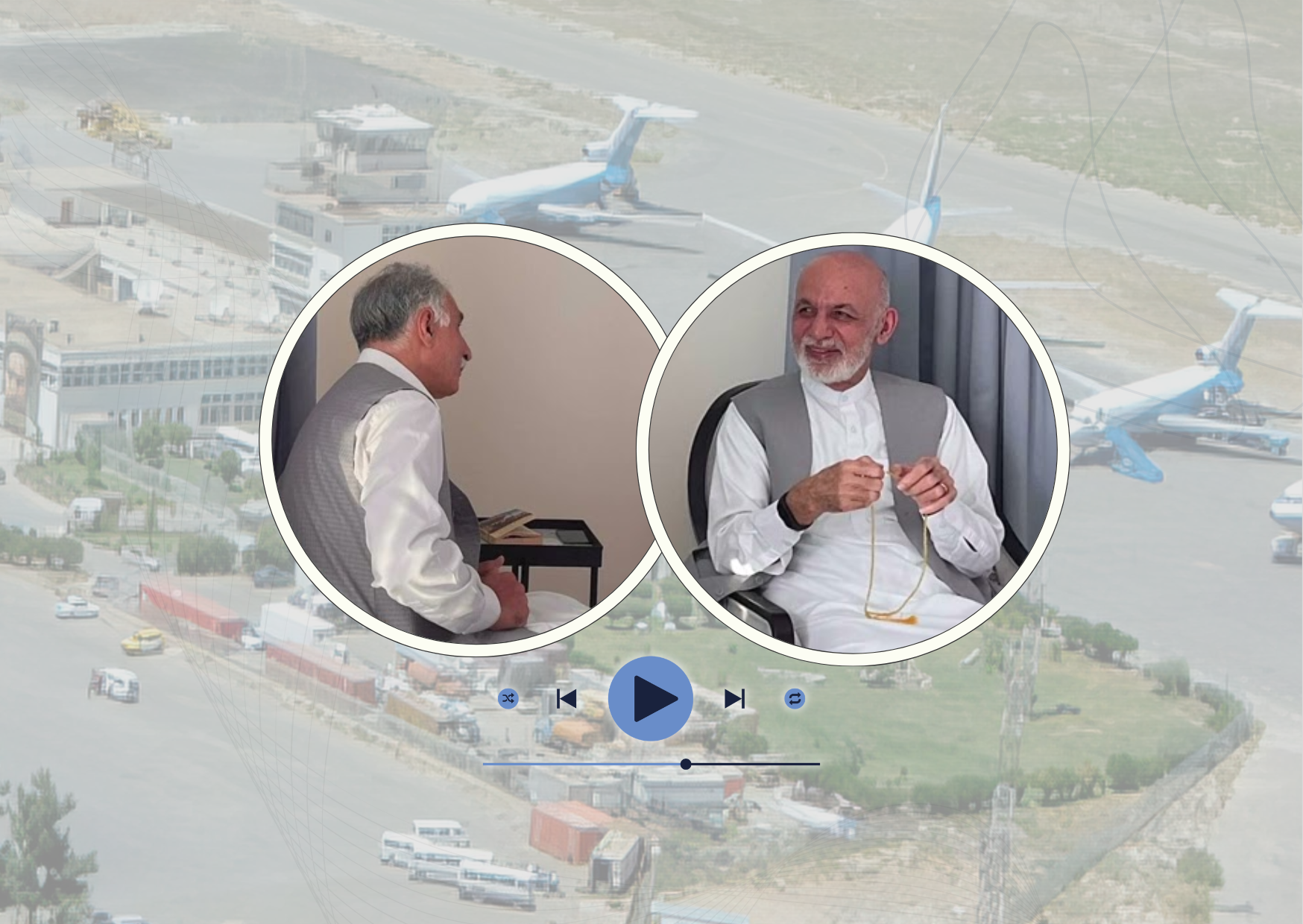
Episode 40: Aviation (Part II)
This episode explores Afghanistan’s aviation sector, detailing its post-2001 recovery after air infrastructure destruction, the gradual revival of Ariana Airlines, and the establishment of international air corridors to India, China, and the UAE to boost exports. It highlights significant female participation in civil and military aviation, the importance of combining technical capacity with trained personnel and transparent management, and Afghanistan’s strategic location as a regional hub. The discussion also emphasizes long-term planning toward 2047, focusing on neutrality, national cohesion, and adapting to technological and global changes.
Transcript
<p data-start="127" data-end="511">This episode provides an in-depth look at Afghanistan’s aviation sector, its history, challenges, and strategic potential. It explores the post-2001 recovery of both civil and military aviation, the role of Ariana Afghan Airlines, women’s participation, international air corridors for trade, and long-term plans for the country’s air transport and economic integration toward 2047.</p>
<hr data-start="513" data-end="516">
<h2 data-start="518" data-end="553">1. Post-2001 Aviation Recovery</h2>
<ul data-start="554" data-end="1005">
<li data-start="554" data-end="641">
<p data-start="556" data-end="641">Afghan air infrastructure was devastated after U.S.-led interventions and bombings.</p>
</li>
<li data-start="642" data-end="742">
<p data-start="644" data-end="742">Kabul and Bagram airports were heavily damaged, with most civil and military aircraft destroyed.</p>
</li>
<li data-start="743" data-end="866">
<p data-start="745" data-end="866">Initial flights were limited and operated under international supervision, including UN and U.S. military coordination.</p>
</li>
<li data-start="867" data-end="1005">
<p data-start="869" data-end="1005">Ariana Afghan Airlines gradually resumed operations, but full recovery was hindered by financial, managerial, and political obstacles.</p>
</li>
</ul>
<hr data-start="1007" data-end="1010">
<h2 data-start="1012" data-end="1056">2. Historical and Presidential Aviation</h2>
<ul data-start="1057" data-end="1396">
<li data-start="1057" data-end="1174">
<p data-start="1059" data-end="1174">Afghanistan previously had dedicated presidential aircraft, such as the “Kandahar plane” used by King Zahir Shah.</p>
</li>
<li data-start="1175" data-end="1294">
<p data-start="1177" data-end="1294">The philosophy emphasized modesty over ceremonial prestige, prioritizing national interest and resource efficiency.</p>
</li>
<li data-start="1295" data-end="1396">
<p data-start="1297" data-end="1396">Helicopters and specialized transport were maintained for internal coordination across provinces.</p>
</li>
</ul>
<hr data-start="1398" data-end="1401">
<h2 data-start="1403" data-end="1428">3. Women in Aviation</h2>
<ul data-start="1429" data-end="1703">
<li data-start="1429" data-end="1501">
<p data-start="1431" data-end="1501">Women played a significant role in both civil and military aviation.</p>
</li>
<li data-start="1502" data-end="1572">
<p data-start="1504" data-end="1572">Participation reached approximately 34% in civil aviation sectors.</p>
</li>
<li data-start="1573" data-end="1703">
<p data-start="1575" data-end="1703">Female pilots and staff contributed across military and civil operations, highlighting gender inclusion and capacity building.</p>
</li>
</ul>
<hr data-start="1705" data-end="1708">
<h2 data-start="1710" data-end="1751">4. Strategic Air Corridors and Trade</h2>
<ul data-start="1752" data-end="2197">
<li data-start="1752" data-end="1863">
<p data-start="1754" data-end="1863">Afghanistan’s central geographic location positions it as a regional hub connecting Central and South Asia.</p>
</li>
<li data-start="1864" data-end="2087">
<p data-start="1866" data-end="1902">Air corridors were established to:</p>
<ul data-start="1905" data-end="2087">
<li data-start="1905" data-end="1949">
<p data-start="1907" data-end="1949">India – improving fresh produce exports.</p>
</li>
<li data-start="1952" data-end="2024">
<p data-start="1954" data-end="2024">China – creating direct trade routes for nuts and other commodities.</p>
</li>
<li data-start="2027" data-end="2087">
<p data-start="2029" data-end="2087">UAE – integrating Afghan products into regional markets.</p>
</li>
</ul>
</li>
<li data-start="2088" data-end="2197">
<p data-start="2090" data-end="2197">These corridors helped reduce dependency on Pakistan and created more secure and efficient export routes.</p>
</li>
</ul>
<hr data-start="2199" data-end="2202">
<h2 data-start="2204" data-end="2237">5. Challenges and Management</h2>
<ul data-start="2238" data-end="2533">
<li data-start="2238" data-end="2340">
<p data-start="2240" data-end="2340">Rebuilding required combining technical infrastructure (airfields, radars) with trained personnel.</p>
</li>
<li data-start="2341" data-end="2432">
<p data-start="2343" data-end="2432">Transparent management and long-term planning were critical to sustain aviation growth.</p>
</li>
<li data-start="2433" data-end="2533">
<p data-start="2435" data-end="2533">Corruption, lack of coordination, and premature market liberalization hindered recovery efforts.</p>
</li>
</ul>
<hr data-start="2535" data-end="2538">
<h2 data-start="2540" data-end="2576">6. Long-Term Vision Toward 2047</h2>
<ul data-start="2577" data-end="2954">
<li data-start="2577" data-end="2661">
<p data-start="2579" data-end="2661">Focus on maintaining neutrality and avoiding regional or international conflict.</p>
</li>
<li data-start="2662" data-end="2751">
<p data-start="2664" data-end="2751">Strengthen air infrastructure and human capacity for sustainable aviation operations.</p>
</li>
<li data-start="2752" data-end="2841">
<p data-start="2754" data-end="2841">Adapt to rapid technological changes, including satellite and aerospace technologies.</p>
</li>
<li data-start="2842" data-end="2954">
<p data-start="2844" data-end="2954">Promote economic integration through value-chain development and joint ventures in agriculture and minerals.</p>
</li>
</ul>
<hr data-start="513" data-end="516">
<h2 data-start="518" data-end="553">1. Post-2001 Aviation Recovery</h2>
<ul data-start="554" data-end="1005">
<li data-start="554" data-end="641">
<p data-start="556" data-end="641">Afghan air infrastructure was devastated after U.S.-led interventions and bombings.</p>
</li>
<li data-start="642" data-end="742">
<p data-start="644" data-end="742">Kabul and Bagram airports were heavily damaged, with most civil and military aircraft destroyed.</p>
</li>
<li data-start="743" data-end="866">
<p data-start="745" data-end="866">Initial flights were limited and operated under international supervision, including UN and U.S. military coordination.</p>
</li>
<li data-start="867" data-end="1005">
<p data-start="869" data-end="1005">Ariana Afghan Airlines gradually resumed operations, but full recovery was hindered by financial, managerial, and political obstacles.</p>
</li>
</ul>
<hr data-start="1007" data-end="1010">
<h2 data-start="1012" data-end="1056">2. Historical and Presidential Aviation</h2>
<ul data-start="1057" data-end="1396">
<li data-start="1057" data-end="1174">
<p data-start="1059" data-end="1174">Afghanistan previously had dedicated presidential aircraft, such as the “Kandahar plane” used by King Zahir Shah.</p>
</li>
<li data-start="1175" data-end="1294">
<p data-start="1177" data-end="1294">The philosophy emphasized modesty over ceremonial prestige, prioritizing national interest and resource efficiency.</p>
</li>
<li data-start="1295" data-end="1396">
<p data-start="1297" data-end="1396">Helicopters and specialized transport were maintained for internal coordination across provinces.</p>
</li>
</ul>
<hr data-start="1398" data-end="1401">
<h2 data-start="1403" data-end="1428">3. Women in Aviation</h2>
<ul data-start="1429" data-end="1703">
<li data-start="1429" data-end="1501">
<p data-start="1431" data-end="1501">Women played a significant role in both civil and military aviation.</p>
</li>
<li data-start="1502" data-end="1572">
<p data-start="1504" data-end="1572">Participation reached approximately 34% in civil aviation sectors.</p>
</li>
<li data-start="1573" data-end="1703">
<p data-start="1575" data-end="1703">Female pilots and staff contributed across military and civil operations, highlighting gender inclusion and capacity building.</p>
</li>
</ul>
<hr data-start="1705" data-end="1708">
<h2 data-start="1710" data-end="1751">4. Strategic Air Corridors and Trade</h2>
<ul data-start="1752" data-end="2197">
<li data-start="1752" data-end="1863">
<p data-start="1754" data-end="1863">Afghanistan’s central geographic location positions it as a regional hub connecting Central and South Asia.</p>
</li>
<li data-start="1864" data-end="2087">
<p data-start="1866" data-end="1902">Air corridors were established to:</p>
<ul data-start="1905" data-end="2087">
<li data-start="1905" data-end="1949">
<p data-start="1907" data-end="1949">India – improving fresh produce exports.</p>
</li>
<li data-start="1952" data-end="2024">
<p data-start="1954" data-end="2024">China – creating direct trade routes for nuts and other commodities.</p>
</li>
<li data-start="2027" data-end="2087">
<p data-start="2029" data-end="2087">UAE – integrating Afghan products into regional markets.</p>
</li>
</ul>
</li>
<li data-start="2088" data-end="2197">
<p data-start="2090" data-end="2197">These corridors helped reduce dependency on Pakistan and created more secure and efficient export routes.</p>
</li>
</ul>
<hr data-start="2199" data-end="2202">
<h2 data-start="2204" data-end="2237">5. Challenges and Management</h2>
<ul data-start="2238" data-end="2533">
<li data-start="2238" data-end="2340">
<p data-start="2240" data-end="2340">Rebuilding required combining technical infrastructure (airfields, radars) with trained personnel.</p>
</li>
<li data-start="2341" data-end="2432">
<p data-start="2343" data-end="2432">Transparent management and long-term planning were critical to sustain aviation growth.</p>
</li>
<li data-start="2433" data-end="2533">
<p data-start="2435" data-end="2533">Corruption, lack of coordination, and premature market liberalization hindered recovery efforts.</p>
</li>
</ul>
<hr data-start="2535" data-end="2538">
<h2 data-start="2540" data-end="2576">6. Long-Term Vision Toward 2047</h2>
<ul data-start="2577" data-end="2954">
<li data-start="2577" data-end="2661">
<p data-start="2579" data-end="2661">Focus on maintaining neutrality and avoiding regional or international conflict.</p>
</li>
<li data-start="2662" data-end="2751">
<p data-start="2664" data-end="2751">Strengthen air infrastructure and human capacity for sustainable aviation operations.</p>
</li>
<li data-start="2752" data-end="2841">
<p data-start="2754" data-end="2841">Adapt to rapid technological changes, including satellite and aerospace technologies.</p>
</li>
<li data-start="2842" data-end="2954">
<p data-start="2844" data-end="2954">Promote economic integration through value-chain development and joint ventures in agriculture and minerals.</p>
</li>
</ul>