July 3, 2025
Episode 39: Aviation (Part I)
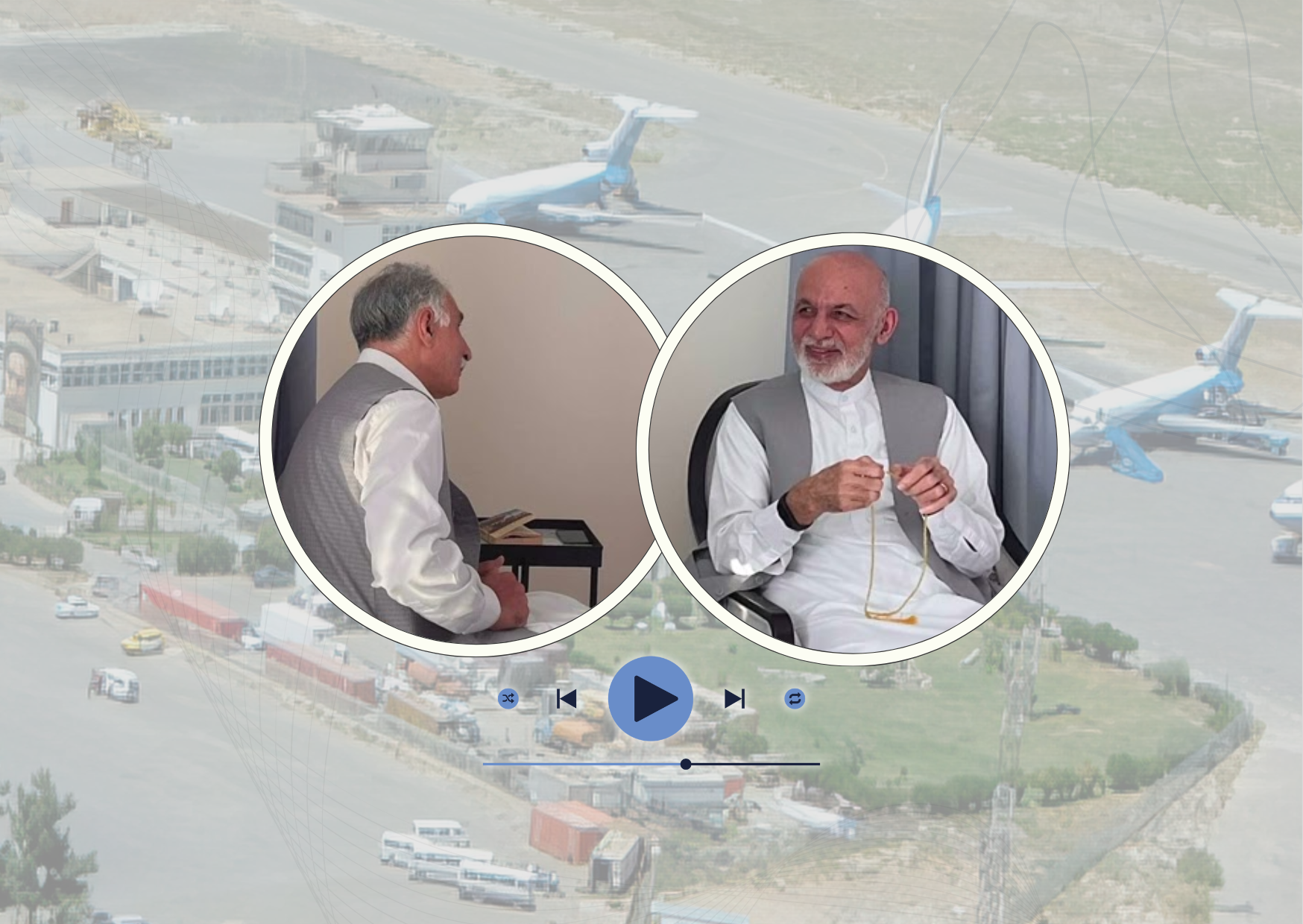
This episode explores the rich history and development of aviation in Afghanistan, from its early military use with balloons and initial aircraft in the early 20th century to the training of the country’s first pilots and the construction of airfields under King Amanullah Khan. It highlights the creation of the Royal Afghan Air Force, the founding of Ariana Afghan Airlines, and the development of domestic carriers like Bakhtar Afghan Airlines, alongside the strategic significance of major hubs such as Kandahar International Airport, Bagram Airfield, and Kabul International Airport. T
Transcript
<p data-start="152" data-end="433">This episode explores the history and development of aviation in Afghanistan, tracing its journey from early military uses to the establishment of national airlines and airfields, while highlighting the strategic, economic, and political significance of aviation for the country.</p>
<hr data-start="435" data-end="438">
<h3 data-start="440" data-end="467">Early Military Aviation</h3>
<ul data-start="468" data-end="842">
<li data-start="468" data-end="555">
<p data-start="470" data-end="555">Late 19th century: Balloons used for military purposes in industrialized countries.</p>
</li>
<li data-start="556" data-end="651">
<p data-start="558" data-end="651">Early 20th century: Arrival of initial airplanes; similar military interest in Afghanistan.</p>
</li>
<li data-start="652" data-end="741">
<p data-start="654" data-end="741">First recorded flight over Afghanistan: <strong data-start="694" data-end="710">May 24, 1919</strong>, shortly after independence.</p>
</li>
<li data-start="742" data-end="842">
<p data-start="744" data-end="842">British bombings during the Third Anglo-Afghan War underscored the need for an Afghan air force.</p>
</li>
</ul>
<hr data-start="844" data-end="847">
<h3 data-start="849" data-end="881">King Amanullah Khan’s Vision</h3>
<ul data-start="882" data-end="1263">
<li data-start="882" data-end="969">
<p data-start="884" data-end="969">Sent first Afghan students to <strong data-start="914" data-end="923">Italy</strong> to study piloting and aircraft engineering.</p>
</li>
<li data-start="970" data-end="1081">
<p data-start="972" data-end="1081">Trained first Afghan pilots, including <strong data-start="1011" data-end="1025">Ehsan Khan</strong>, who later commanded the Afghan Air Force until 1947.</p>
</li>
<li data-start="1082" data-end="1147">
<p data-start="1084" data-end="1147">Imported airplanes from Italy, England, and the Soviet Union.</p>
</li>
<li data-start="1148" data-end="1263">
<p data-start="1150" data-end="1263">Established the <strong data-start="1166" data-end="1185">first airfields</strong> in Kabul (Sherpur), Jalalabad, Kandahar, Herat, Mazar-i-Sharif, and Bamyam.</p>
</li>
</ul>
<hr data-start="1265" data-end="1268">
<h3 data-start="1270" data-end="1312">Civil Aviation: Ariana Afghan Airlines</h3>
<ul data-start="1313" data-end="1825">
<li data-start="1313" data-end="1400">
<p data-start="1315" data-end="1400">Founded in <strong data-start="1326" data-end="1334">1953</strong> as a joint venture: 51% Afghan, 49% Pan American World Airways.</p>
</li>
<li data-start="1401" data-end="1496">
<p data-start="1403" data-end="1496">Provided international connections to <strong data-start="1441" data-end="1493">India, Europe, the Middle East, and Central Asia</strong>.</p>
</li>
<li data-start="1497" data-end="1572">
<p data-start="1499" data-end="1572">Key services: passenger transport, mail delivery (airgrams), and cargo.</p>
</li>
<li data-start="1573" data-end="1692">
<p data-start="1575" data-end="1692">Notable achievements: professional crews, high standards, and artistic interior design inspired by Afghan heritage.</p>
</li>
<li data-start="1693" data-end="1825">
<p data-start="1695" data-end="1825">Challenges: airplane accidents, political instability, mismanagement, and eventual loss of advanced aircraft like the <strong data-start="1813" data-end="1822">DC-10</strong>.</p>
</li>
</ul>
<hr data-start="1827" data-end="1830">
<h3 data-start="1832" data-end="1871">Domestic Aviation: Bakhtar Airlines</h3>
<ul data-start="1872" data-end="2197">
<li data-start="1872" data-end="1941">
<p data-start="1874" data-end="1941">Established to connect remote and mountainous regions internally.</p>
</li>
<li data-start="1942" data-end="2000">
<p data-start="1944" data-end="2000">First domestic routes: <strong data-start="1967" data-end="1997">Feizabad, Shighnan, Bamyam</strong>.</p>
</li>
<li data-start="2001" data-end="2103">
<p data-start="2003" data-end="2103">Aircraft like Canadian <strong data-start="2026" data-end="2041">Bombardiers</strong> used for short takeoff and landing on improvised airfields.</p>
</li>
<li data-start="2104" data-end="2197">
<p data-start="2106" data-end="2197">Objectives: improve internal mobility, facilitate tourism, and transport essential goods.</p>
</li>
</ul>
<hr data-start="2199" data-end="2202">
<h3 data-start="2204" data-end="2240">Strategic Importance of Airbases</h3>
<ul data-start="2241" data-end="2635">
<li data-start="2241" data-end="2342">
<p data-start="2243" data-end="2342">Major airbases: <strong data-start="2259" data-end="2339">Kandahar International Airport, Bagram Airfield, Kabul International Airport</strong>.</p>
</li>
<li data-start="2343" data-end="2449">
<p data-start="2345" data-end="2449">Kandahar: initially considered as a regional aviation hub with potential for international operations.</p>
</li>
<li data-start="2450" data-end="2530">
<p data-start="2452" data-end="2530">Bagram: central for military operations during Soviet and later US presence.</p>
</li>
<li data-start="2531" data-end="2635">
<p data-start="2533" data-end="2635">Importance: airspace control, national security, economic revenue, and strategic military advantage.</p>
</li>
</ul>
<hr data-start="2637" data-end="2640">
<h3 data-start="2642" data-end="2678">Challenges & Political Influence</h3>
<ul data-start="2679" data-end="3092">
<li data-start="2679" data-end="2774">
<p data-start="2681" data-end="2774">Foreign involvement: US and Soviet competition in the region impacted aviation development.</p>
</li>
<li data-start="2775" data-end="2874">
<p data-start="2777" data-end="2874">Political instability: coups, civil wars, and regime changes disrupted operations and training.</p>
</li>
<li data-start="2875" data-end="2996">
<p data-start="2877" data-end="2996">Loss of infrastructure and aircraft: decisions influenced by political considerations rather than technical capacity.</p>
</li>
<li data-start="2997" data-end="3092">
<p data-start="2999" data-end="3092">Decline of Ariana: mismanagement and sale of modern planes like DC-10 reduced capabilities.</p>
</li>
</ul>
<hr data-start="3094" data-end="3097">
<h3 data-start="3099" data-end="3113">Conclusion</h3>
<ul data-start="3114" data-end="3497">
<li data-start="3114" data-end="3222">
<p data-start="3116" data-end="3222">Aviation in Afghanistan developed from military necessity to a mix of civilian and strategic importance.</p>
</li>
<li data-start="3223" data-end="3344">
<p data-start="3225" data-end="3344">Key lessons: trained personnel, reliable infrastructure, and control of airspace are critical for sustainable growth.</p>
</li>
<li data-start="3345" data-end="3497">
<p data-start="3347" data-end="3497">Despite challenges, historical foundations laid by King Amanullah Khan and subsequent leaders continue to shape Afghanistan’s potential in aviation.</p>
</li>
</ul>
<hr data-start="435" data-end="438">
<h3 data-start="440" data-end="467">Early Military Aviation</h3>
<ul data-start="468" data-end="842">
<li data-start="468" data-end="555">
<p data-start="470" data-end="555">Late 19th century: Balloons used for military purposes in industrialized countries.</p>
</li>
<li data-start="556" data-end="651">
<p data-start="558" data-end="651">Early 20th century: Arrival of initial airplanes; similar military interest in Afghanistan.</p>
</li>
<li data-start="652" data-end="741">
<p data-start="654" data-end="741">First recorded flight over Afghanistan: <strong data-start="694" data-end="710">May 24, 1919</strong>, shortly after independence.</p>
</li>
<li data-start="742" data-end="842">
<p data-start="744" data-end="842">British bombings during the Third Anglo-Afghan War underscored the need for an Afghan air force.</p>
</li>
</ul>
<hr data-start="844" data-end="847">
<h3 data-start="849" data-end="881">King Amanullah Khan’s Vision</h3>
<ul data-start="882" data-end="1263">
<li data-start="882" data-end="969">
<p data-start="884" data-end="969">Sent first Afghan students to <strong data-start="914" data-end="923">Italy</strong> to study piloting and aircraft engineering.</p>
</li>
<li data-start="970" data-end="1081">
<p data-start="972" data-end="1081">Trained first Afghan pilots, including <strong data-start="1011" data-end="1025">Ehsan Khan</strong>, who later commanded the Afghan Air Force until 1947.</p>
</li>
<li data-start="1082" data-end="1147">
<p data-start="1084" data-end="1147">Imported airplanes from Italy, England, and the Soviet Union.</p>
</li>
<li data-start="1148" data-end="1263">
<p data-start="1150" data-end="1263">Established the <strong data-start="1166" data-end="1185">first airfields</strong> in Kabul (Sherpur), Jalalabad, Kandahar, Herat, Mazar-i-Sharif, and Bamyam.</p>
</li>
</ul>
<hr data-start="1265" data-end="1268">
<h3 data-start="1270" data-end="1312">Civil Aviation: Ariana Afghan Airlines</h3>
<ul data-start="1313" data-end="1825">
<li data-start="1313" data-end="1400">
<p data-start="1315" data-end="1400">Founded in <strong data-start="1326" data-end="1334">1953</strong> as a joint venture: 51% Afghan, 49% Pan American World Airways.</p>
</li>
<li data-start="1401" data-end="1496">
<p data-start="1403" data-end="1496">Provided international connections to <strong data-start="1441" data-end="1493">India, Europe, the Middle East, and Central Asia</strong>.</p>
</li>
<li data-start="1497" data-end="1572">
<p data-start="1499" data-end="1572">Key services: passenger transport, mail delivery (airgrams), and cargo.</p>
</li>
<li data-start="1573" data-end="1692">
<p data-start="1575" data-end="1692">Notable achievements: professional crews, high standards, and artistic interior design inspired by Afghan heritage.</p>
</li>
<li data-start="1693" data-end="1825">
<p data-start="1695" data-end="1825">Challenges: airplane accidents, political instability, mismanagement, and eventual loss of advanced aircraft like the <strong data-start="1813" data-end="1822">DC-10</strong>.</p>
</li>
</ul>
<hr data-start="1827" data-end="1830">
<h3 data-start="1832" data-end="1871">Domestic Aviation: Bakhtar Airlines</h3>
<ul data-start="1872" data-end="2197">
<li data-start="1872" data-end="1941">
<p data-start="1874" data-end="1941">Established to connect remote and mountainous regions internally.</p>
</li>
<li data-start="1942" data-end="2000">
<p data-start="1944" data-end="2000">First domestic routes: <strong data-start="1967" data-end="1997">Feizabad, Shighnan, Bamyam</strong>.</p>
</li>
<li data-start="2001" data-end="2103">
<p data-start="2003" data-end="2103">Aircraft like Canadian <strong data-start="2026" data-end="2041">Bombardiers</strong> used for short takeoff and landing on improvised airfields.</p>
</li>
<li data-start="2104" data-end="2197">
<p data-start="2106" data-end="2197">Objectives: improve internal mobility, facilitate tourism, and transport essential goods.</p>
</li>
</ul>
<hr data-start="2199" data-end="2202">
<h3 data-start="2204" data-end="2240">Strategic Importance of Airbases</h3>
<ul data-start="2241" data-end="2635">
<li data-start="2241" data-end="2342">
<p data-start="2243" data-end="2342">Major airbases: <strong data-start="2259" data-end="2339">Kandahar International Airport, Bagram Airfield, Kabul International Airport</strong>.</p>
</li>
<li data-start="2343" data-end="2449">
<p data-start="2345" data-end="2449">Kandahar: initially considered as a regional aviation hub with potential for international operations.</p>
</li>
<li data-start="2450" data-end="2530">
<p data-start="2452" data-end="2530">Bagram: central for military operations during Soviet and later US presence.</p>
</li>
<li data-start="2531" data-end="2635">
<p data-start="2533" data-end="2635">Importance: airspace control, national security, economic revenue, and strategic military advantage.</p>
</li>
</ul>
<hr data-start="2637" data-end="2640">
<h3 data-start="2642" data-end="2678">Challenges & Political Influence</h3>
<ul data-start="2679" data-end="3092">
<li data-start="2679" data-end="2774">
<p data-start="2681" data-end="2774">Foreign involvement: US and Soviet competition in the region impacted aviation development.</p>
</li>
<li data-start="2775" data-end="2874">
<p data-start="2777" data-end="2874">Political instability: coups, civil wars, and regime changes disrupted operations and training.</p>
</li>
<li data-start="2875" data-end="2996">
<p data-start="2877" data-end="2996">Loss of infrastructure and aircraft: decisions influenced by political considerations rather than technical capacity.</p>
</li>
<li data-start="2997" data-end="3092">
<p data-start="2999" data-end="3092">Decline of Ariana: mismanagement and sale of modern planes like DC-10 reduced capabilities.</p>
</li>
</ul>
<hr data-start="3094" data-end="3097">
<h3 data-start="3099" data-end="3113">Conclusion</h3>
<ul data-start="3114" data-end="3497">
<li data-start="3114" data-end="3222">
<p data-start="3116" data-end="3222">Aviation in Afghanistan developed from military necessity to a mix of civilian and strategic importance.</p>
</li>
<li data-start="3223" data-end="3344">
<p data-start="3225" data-end="3344">Key lessons: trained personnel, reliable infrastructure, and control of airspace are critical for sustainable growth.</p>
</li>
<li data-start="3345" data-end="3497">
<p data-start="3347" data-end="3497">Despite challenges, historical foundations laid by King Amanullah Khan and subsequent leaders continue to shape Afghanistan’s potential in aviation.</p>
</li>
</ul>