
May 8, 2025
Episode 36: Telecommunications (Part II)
This discussion outlines Afghanistan’s communications journey from early caravan and signal systems to the telegraph and telephone under Amir Sher Ali Khan and Amir Habibullah Khan, modernization under King Amanullah Khan and King Mohammad Zahir Shah, and later reforms during the presidencies of Sardar Mohammad Daoud Khan and Dr. Mohammad Najibullah. It highlights the post-2001 mobile and fiber expansion, regulatory and cybersecurity challenges, digital misinformation, satellite and regional integration, and a long-term vision for advanced e-governance and digital connectivity by 2047.
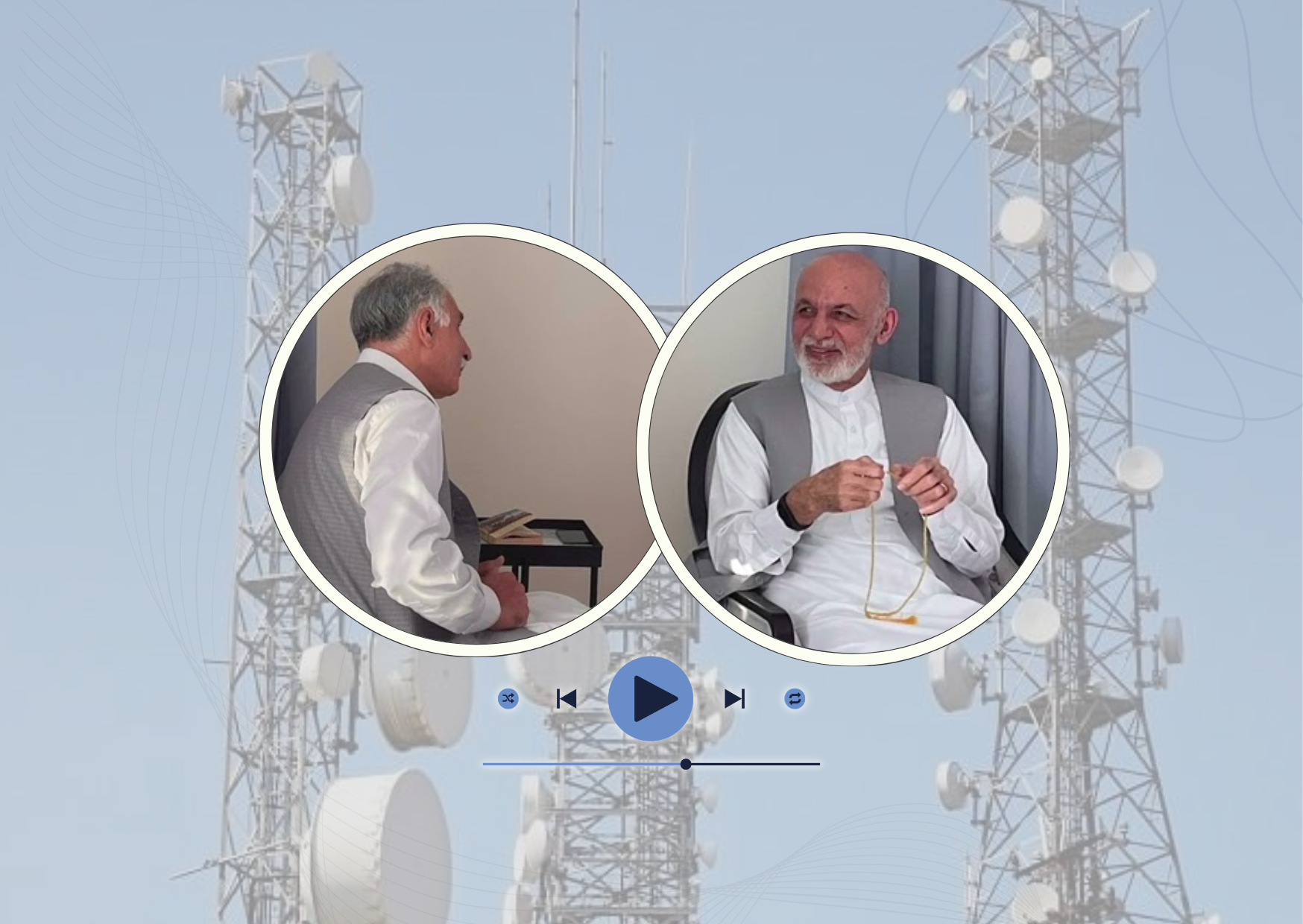
Transcript
<p data-start="19" data-end="547">Afghanistan’s communication history reflects the country’s broader political, economic, and technological evolution. From traditional messenger networks shaped by geography and trade routes to modern mobile systems and fiber-optic connectivity, each phase of development has influenced governance, security, commerce, and social life. Understanding this progression helps explain how telecommunications shifted from a limited state-controlled instrument to a central pillar of national infrastructure and digital transformation.</p>
<hr data-start="549" data-end="552">
<h2 data-start="554" data-end="589">1. Early Communication Systems</h2>
<p data-start="591" data-end="663">Before modern infrastructure, Afghanistan relied on traditional methods:</p>
<ul data-start="665" data-end="884">
<li data-start="665" data-end="724">
<p data-start="667" data-end="724">Caravan networks carrying letters and official messages</p>
</li>
<li data-start="725" data-end="780">
<p data-start="727" data-end="780">Smoke signals and drum codes for rapid local alerts</p>
</li>
<li data-start="781" data-end="837">
<p data-start="783" data-end="837">Messenger (chapar) systems linking political centers</p>
</li>
<li data-start="838" data-end="884">
<p data-start="840" data-end="884">Pigeons for limited long-distance delivery</p>
</li>
</ul>
<p data-start="886" data-end="952"><strong data-start="886" data-end="905">Key Limitation:</strong> Slow speed, uncertainty, and restricted reach.</p>
<hr data-start="954" data-end="957">
<h2 data-start="959" data-end="1026">2. Introduction of Modern Technology (19th–Early 20th Century)</h2>
<h3 data-start="1028" data-end="1047">Telegraph Era</h3>
<ul data-start="1048" data-end="1215">
<li data-start="1048" data-end="1120">
<p data-start="1050" data-end="1120">Introduced during the reign of <span class="hover:entity-accent entity-underline inline cursor-pointer align-baseline"><span class="whitespace-normal">Amir Sher Ali Khan</span></span></p>
</li>
<li data-start="1121" data-end="1177">
<p data-start="1123" data-end="1177">Expanded under <span class="hover:entity-accent entity-underline inline cursor-pointer align-baseline"><span class="whitespace-normal">Amir Habibullah Khan</span></span></p>
</li>
<li data-start="1178" data-end="1215">
<p data-start="1180" data-end="1215">Enabled faster state coordination</p>
</li>
</ul>
<h3 data-start="1217" data-end="1254">Early Telephony & Modernization</h3>
<ul data-start="1255" data-end="1394">
<li data-start="1255" data-end="1314">
<p data-start="1257" data-end="1314">Accelerated under <span class="hover:entity-accent entity-underline inline cursor-pointer align-baseline"><span class="whitespace-normal">Amanullah Khan</span></span></p>
</li>
<li data-start="1315" data-end="1394">
<p data-start="1317" data-end="1394">Continued institutional growth during <span class="hover:entity-accent entity-underline inline cursor-pointer align-baseline"><span class="whitespace-normal">Mohammad Zahir Shah</span></span></p>
</li>
</ul>
<p data-start="1396" data-end="1460"><strong data-start="1396" data-end="1407">Impact:</strong> Strengthened governance and national administration.</p>
<hr data-start="1462" data-end="1465">
<h2 data-start="1467" data-end="1526">3. Expansion and State Control (Mid–Late 20th Century)</h2>
<p data-start="1528" data-end="1630">Under leaders such as <span class="hover:entity-accent entity-underline inline cursor-pointer align-baseline"><span class="whitespace-normal">Mohammad Daoud Khan</span></span> and <span class="hover:entity-accent entity-underline inline cursor-pointer align-baseline"><span class="whitespace-normal">Mohammad Najibullah</span></span>:</p>
<ul data-start="1632" data-end="1776">
<li data-start="1632" data-end="1688">
<p data-start="1634" data-end="1688">Telecommunications remained largely state-controlled</p>
</li>
<li data-start="1689" data-end="1722">
<p data-start="1691" data-end="1722">Radio and television expanded</p>
</li>
<li data-start="1723" data-end="1776">
<p data-start="1725" data-end="1776">Infrastructure linked to modernization strategies</p>
</li>
</ul>
<p data-start="1778" data-end="1844"><strong data-start="1778" data-end="1792">Challenge:</strong> Political instability limited sustainable progress.</p>
<hr data-start="1846" data-end="1849">
<h2 data-start="1851" data-end="1892">4. Post-2001 Telecommunications Boom</h2>
<p data-start="1894" data-end="1937">A major transformation occurred after 2001:</p>
<ul data-start="1939" data-end="2096">
<li data-start="1939" data-end="1973">
<p data-start="1941" data-end="1973">Rapid mobile network expansion</p>
</li>
<li data-start="1974" data-end="2013">
<p data-start="1976" data-end="2013">Growth of private telecom companies</p>
</li>
<li data-start="2014" data-end="2058">
<p data-start="2016" data-end="2058">Investment in fiber-optic infrastructure</p>
</li>
<li data-start="2059" data-end="2096">
<p data-start="2061" data-end="2096">Regional connectivity integration</p>
</li>
</ul>
<p data-start="2098" data-end="2112"><strong data-start="2098" data-end="2110">Results:</strong></p>
<ul data-start="2113" data-end="2242">
<li data-start="2113" data-end="2146">
<p data-start="2115" data-end="2146">Millions gained mobile access</p>
</li>
<li data-start="2147" data-end="2188">
<p data-start="2149" data-end="2188">Telecom became a major revenue source</p>
</li>
<li data-start="2189" data-end="2242">
<p data-start="2191" data-end="2242">Expanded digital services and financial inclusion</p>
</li>
</ul>
<hr data-start="2244" data-end="2247">
<h2 data-start="2249" data-end="2275">5. Current Challenges</h2>
<h3 data-start="2277" data-end="2311">Regulatory & Economic Issues</h3>
<ul data-start="2312" data-end="2390">
<li data-start="2312" data-end="2354">
<p data-start="2314" data-end="2354">Market competition and pricing reforms</p>
</li>
<li data-start="2355" data-end="2390">
<p data-start="2357" data-end="2390">Institutional capacity building</p>
</li>
</ul>
<h3 data-start="2392" data-end="2417">Cybersecurity Risks</h3>
<ul data-start="2418" data-end="2492">
<li data-start="2418" data-end="2462">
<p data-start="2420" data-end="2462">Vulnerability of critical infrastructure</p>
</li>
<li data-start="2463" data-end="2492">
<p data-start="2465" data-end="2492">Exposure to cyber threats</p>
</li>
</ul>
<h3 data-start="2494" data-end="2522">Digital Misinformation</h3>
<ul data-start="2523" data-end="2598">
<li data-start="2523" data-end="2560">
<p data-start="2525" data-end="2560">Rapid spread of false information</p>
</li>
<li data-start="2561" data-end="2598">
<p data-start="2563" data-end="2598">Social and political consequences</p>
</li>
</ul>
<hr data-start="2600" data-end="2603">
<h2 data-start="2605" data-end="2640">6. Future Vision (Toward 2047)</h2>
<p data-start="2642" data-end="2657">Key priorities:</p>
<ul data-start="2659" data-end="2846">
<li data-start="2659" data-end="2692">
<p data-start="2661" data-end="2692">Nationwide fiber connectivity</p>
</li>
<li data-start="2693" data-end="2722">
<p data-start="2695" data-end="2722">Expansion of e-governance</p>
</li>
<li data-start="2723" data-end="2762">
<p data-start="2725" data-end="2762">Digital payments and fintech growth</p>
</li>
<li data-start="2763" data-end="2811">
<p data-start="2765" data-end="2811">Regional broadband and satellite cooperation</p>
</li>
<li data-start="2812" data-end="2846">
<p data-start="2814" data-end="2846">Investment in digital literacy</p>
</li>
</ul>
<hr data-start="2848" data-end="2851">
<h2 data-start="2853" data-end="2868">Conclusion</h2>
<p data-start="2870" data-end="3163" data-is-last-node="" data-is-only-node="">Afghanistan’s communications journey—from caravans to fiber optics—demonstrates how infrastructure shapes national development. The future of its digital transformation depends on stability, regulatory reform, cybersecurity resilience, and sustained investment in technology and human capital.</p>
<hr data-start="549" data-end="552">
<h2 data-start="554" data-end="589">1. Early Communication Systems</h2>
<p data-start="591" data-end="663">Before modern infrastructure, Afghanistan relied on traditional methods:</p>
<ul data-start="665" data-end="884">
<li data-start="665" data-end="724">
<p data-start="667" data-end="724">Caravan networks carrying letters and official messages</p>
</li>
<li data-start="725" data-end="780">
<p data-start="727" data-end="780">Smoke signals and drum codes for rapid local alerts</p>
</li>
<li data-start="781" data-end="837">
<p data-start="783" data-end="837">Messenger (chapar) systems linking political centers</p>
</li>
<li data-start="838" data-end="884">
<p data-start="840" data-end="884">Pigeons for limited long-distance delivery</p>
</li>
</ul>
<p data-start="886" data-end="952"><strong data-start="886" data-end="905">Key Limitation:</strong> Slow speed, uncertainty, and restricted reach.</p>
<hr data-start="954" data-end="957">
<h2 data-start="959" data-end="1026">2. Introduction of Modern Technology (19th–Early 20th Century)</h2>
<h3 data-start="1028" data-end="1047">Telegraph Era</h3>
<ul data-start="1048" data-end="1215">
<li data-start="1048" data-end="1120">
<p data-start="1050" data-end="1120">Introduced during the reign of <span class="hover:entity-accent entity-underline inline cursor-pointer align-baseline"><span class="whitespace-normal">Amir Sher Ali Khan</span></span></p>
</li>
<li data-start="1121" data-end="1177">
<p data-start="1123" data-end="1177">Expanded under <span class="hover:entity-accent entity-underline inline cursor-pointer align-baseline"><span class="whitespace-normal">Amir Habibullah Khan</span></span></p>
</li>
<li data-start="1178" data-end="1215">
<p data-start="1180" data-end="1215">Enabled faster state coordination</p>
</li>
</ul>
<h3 data-start="1217" data-end="1254">Early Telephony & Modernization</h3>
<ul data-start="1255" data-end="1394">
<li data-start="1255" data-end="1314">
<p data-start="1257" data-end="1314">Accelerated under <span class="hover:entity-accent entity-underline inline cursor-pointer align-baseline"><span class="whitespace-normal">Amanullah Khan</span></span></p>
</li>
<li data-start="1315" data-end="1394">
<p data-start="1317" data-end="1394">Continued institutional growth during <span class="hover:entity-accent entity-underline inline cursor-pointer align-baseline"><span class="whitespace-normal">Mohammad Zahir Shah</span></span></p>
</li>
</ul>
<p data-start="1396" data-end="1460"><strong data-start="1396" data-end="1407">Impact:</strong> Strengthened governance and national administration.</p>
<hr data-start="1462" data-end="1465">
<h2 data-start="1467" data-end="1526">3. Expansion and State Control (Mid–Late 20th Century)</h2>
<p data-start="1528" data-end="1630">Under leaders such as <span class="hover:entity-accent entity-underline inline cursor-pointer align-baseline"><span class="whitespace-normal">Mohammad Daoud Khan</span></span> and <span class="hover:entity-accent entity-underline inline cursor-pointer align-baseline"><span class="whitespace-normal">Mohammad Najibullah</span></span>:</p>
<ul data-start="1632" data-end="1776">
<li data-start="1632" data-end="1688">
<p data-start="1634" data-end="1688">Telecommunications remained largely state-controlled</p>
</li>
<li data-start="1689" data-end="1722">
<p data-start="1691" data-end="1722">Radio and television expanded</p>
</li>
<li data-start="1723" data-end="1776">
<p data-start="1725" data-end="1776">Infrastructure linked to modernization strategies</p>
</li>
</ul>
<p data-start="1778" data-end="1844"><strong data-start="1778" data-end="1792">Challenge:</strong> Political instability limited sustainable progress.</p>
<hr data-start="1846" data-end="1849">
<h2 data-start="1851" data-end="1892">4. Post-2001 Telecommunications Boom</h2>
<p data-start="1894" data-end="1937">A major transformation occurred after 2001:</p>
<ul data-start="1939" data-end="2096">
<li data-start="1939" data-end="1973">
<p data-start="1941" data-end="1973">Rapid mobile network expansion</p>
</li>
<li data-start="1974" data-end="2013">
<p data-start="1976" data-end="2013">Growth of private telecom companies</p>
</li>
<li data-start="2014" data-end="2058">
<p data-start="2016" data-end="2058">Investment in fiber-optic infrastructure</p>
</li>
<li data-start="2059" data-end="2096">
<p data-start="2061" data-end="2096">Regional connectivity integration</p>
</li>
</ul>
<p data-start="2098" data-end="2112"><strong data-start="2098" data-end="2110">Results:</strong></p>
<ul data-start="2113" data-end="2242">
<li data-start="2113" data-end="2146">
<p data-start="2115" data-end="2146">Millions gained mobile access</p>
</li>
<li data-start="2147" data-end="2188">
<p data-start="2149" data-end="2188">Telecom became a major revenue source</p>
</li>
<li data-start="2189" data-end="2242">
<p data-start="2191" data-end="2242">Expanded digital services and financial inclusion</p>
</li>
</ul>
<hr data-start="2244" data-end="2247">
<h2 data-start="2249" data-end="2275">5. Current Challenges</h2>
<h3 data-start="2277" data-end="2311">Regulatory & Economic Issues</h3>
<ul data-start="2312" data-end="2390">
<li data-start="2312" data-end="2354">
<p data-start="2314" data-end="2354">Market competition and pricing reforms</p>
</li>
<li data-start="2355" data-end="2390">
<p data-start="2357" data-end="2390">Institutional capacity building</p>
</li>
</ul>
<h3 data-start="2392" data-end="2417">Cybersecurity Risks</h3>
<ul data-start="2418" data-end="2492">
<li data-start="2418" data-end="2462">
<p data-start="2420" data-end="2462">Vulnerability of critical infrastructure</p>
</li>
<li data-start="2463" data-end="2492">
<p data-start="2465" data-end="2492">Exposure to cyber threats</p>
</li>
</ul>
<h3 data-start="2494" data-end="2522">Digital Misinformation</h3>
<ul data-start="2523" data-end="2598">
<li data-start="2523" data-end="2560">
<p data-start="2525" data-end="2560">Rapid spread of false information</p>
</li>
<li data-start="2561" data-end="2598">
<p data-start="2563" data-end="2598">Social and political consequences</p>
</li>
</ul>
<hr data-start="2600" data-end="2603">
<h2 data-start="2605" data-end="2640">6. Future Vision (Toward 2047)</h2>
<p data-start="2642" data-end="2657">Key priorities:</p>
<ul data-start="2659" data-end="2846">
<li data-start="2659" data-end="2692">
<p data-start="2661" data-end="2692">Nationwide fiber connectivity</p>
</li>
<li data-start="2693" data-end="2722">
<p data-start="2695" data-end="2722">Expansion of e-governance</p>
</li>
<li data-start="2723" data-end="2762">
<p data-start="2725" data-end="2762">Digital payments and fintech growth</p>
</li>
<li data-start="2763" data-end="2811">
<p data-start="2765" data-end="2811">Regional broadband and satellite cooperation</p>
</li>
<li data-start="2812" data-end="2846">
<p data-start="2814" data-end="2846">Investment in digital literacy</p>
</li>
</ul>
<hr data-start="2848" data-end="2851">
<h2 data-start="2853" data-end="2868">Conclusion</h2>
<p data-start="2870" data-end="3163" data-is-last-node="" data-is-only-node="">Afghanistan’s communications journey—from caravans to fiber optics—demonstrates how infrastructure shapes national development. The future of its digital transformation depends on stability, regulatory reform, cybersecurity resilience, and sustained investment in technology and human capital.</p>