
January 30, 2025
Episode 31: Infrastructure and Utilities
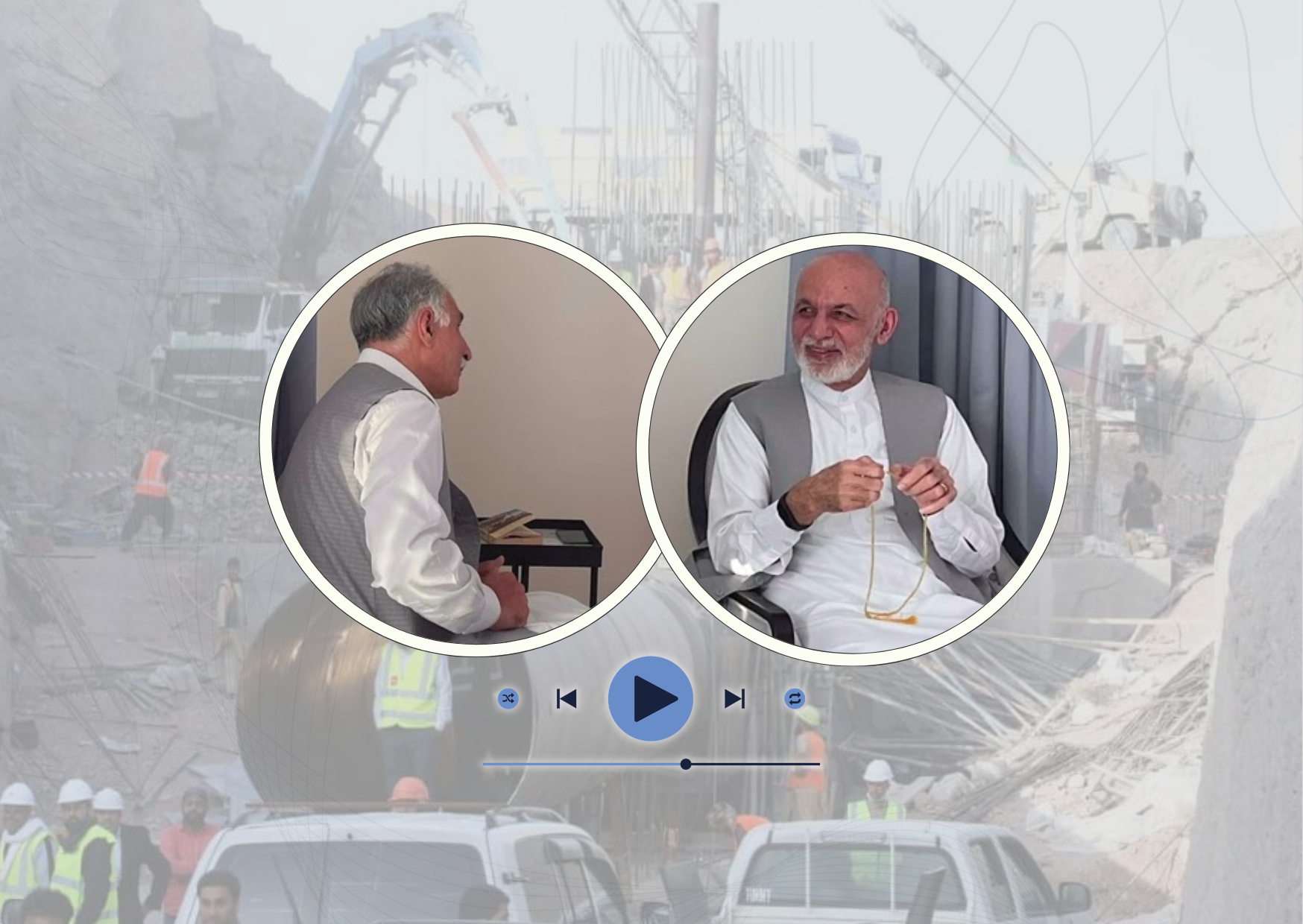
This episode delves into the development of Afghanistan’s infrastructure, tracing its evolution from ancient times to the modern era. It covers early irrigation and water management systems, organized agricultural practices, urban planning, and city defenses, as well as trade routes that connected regions long before the Silk Road. The discussion also explores engineering innovations in construction and resource extraction, the role of animals and transport methods, and the gradual emergence of modern infrastructure such as railways in the 19th and 20th centuries, highlighting how these systems shaped social, economic, and cultural life.
Transcript
<p data-start="205" data-end="396">This episode explores the rich history and development of infrastructure in Afghanistan, highlighting how physical, social, and technological systems have shaped the country over millennia.</p>
<h3 data-start="398" data-end="443">1. Ancient Agricultural and Water Systems</h3>
<ul data-start="444" data-end="758">
<li data-start="444" data-end="537">
<p data-start="446" data-end="537">Organized irrigation networks and canals were crucial for sustaining early civilizations.</p>
</li>
<li data-start="538" data-end="650">
<p data-start="540" data-end="650">Water management (including qanats and seasonal dams) allowed for reliable crop production and urban growth.</p>
</li>
<li data-start="651" data-end="758">
<p data-start="653" data-end="758">Land ownership systems were codified, balancing private property, state land, and religious endowments.</p>
</li>
</ul>
<h3 data-start="760" data-end="800">2. Trade and Transportation Networks</h3>
<ul data-start="801" data-end="1138">
<li data-start="801" data-end="917">
<p data-start="803" data-end="917">Early trade routes predated the Silk Road, connecting regions through rivers, mountain passes, and desert paths.</p>
</li>
<li data-start="918" data-end="1033">
<p data-start="920" data-end="1033">Camels, horses, and carts facilitated long-distance transport of goods like lapis lazuli, metals, and textiles.</p>
</li>
<li data-start="1034" data-end="1138">
<p data-start="1036" data-end="1138">Caravanserais and fortified waypoints provided shelter, food, and security along major trade routes.</p>
</li>
</ul>
<h3 data-start="1140" data-end="1182">3. Urban Engineering and City Planning</h3>
<ul data-start="1183" data-end="1557">
<li data-start="1183" data-end="1288">
<p data-start="1185" data-end="1288">Cities were built with advanced engineering for water distribution, waste management, and bathhouses.</p>
</li>
<li data-start="1289" data-end="1417">
<p data-start="1291" data-end="1417">Defensive architecture included fortresses, city walls, and moats, showcasing both constructive and destructive engineering.</p>
</li>
<li data-start="1418" data-end="1557">
<p data-start="1420" data-end="1557">Public and religious buildings reflected cultural and religious influences over different eras (Zoroastrian, Greek, Buddhist, Islamic).</p>
</li>
</ul>
<h3 data-start="1559" data-end="1612">4. Resource Extraction and Industrial Foundations</h3>
<ul data-start="1613" data-end="1822">
<li data-start="1613" data-end="1719">
<p data-start="1615" data-end="1719">Mining of metals, lapis lazuli, and other resources supported local economies and long-distance trade.</p>
</li>
<li data-start="1720" data-end="1822">
<p data-start="1722" data-end="1822">Engineering knowledge in mining and metallurgy developed alongside urban and agricultural systems.</p>
</li>
</ul>
<h3 data-start="1824" data-end="1866">5. Transition to Modern Infrastructure</h3>
<ul data-start="1867" data-end="2075">
<li data-start="1867" data-end="1965">
<p data-start="1869" data-end="1965">The 19th and 20th centuries introduced railways, modern roads, and new engineering techniques.</p>
</li>
<li data-start="1966" data-end="2075">
<p data-start="1968" data-end="2075">Projects were influenced by international technology while adapting to Afghanistan’s geography and needs.</p>
</li>
</ul>
<p data-start="2077" data-end="2335">This episode provides a comprehensive look at how infrastructure—from irrigation canals to railways—has been central to Afghanistan’s economic, social, and cultural development, setting the stage for understanding contemporary challenges and future growth.</p>
<h3 data-start="398" data-end="443">1. Ancient Agricultural and Water Systems</h3>
<ul data-start="444" data-end="758">
<li data-start="444" data-end="537">
<p data-start="446" data-end="537">Organized irrigation networks and canals were crucial for sustaining early civilizations.</p>
</li>
<li data-start="538" data-end="650">
<p data-start="540" data-end="650">Water management (including qanats and seasonal dams) allowed for reliable crop production and urban growth.</p>
</li>
<li data-start="651" data-end="758">
<p data-start="653" data-end="758">Land ownership systems were codified, balancing private property, state land, and religious endowments.</p>
</li>
</ul>
<h3 data-start="760" data-end="800">2. Trade and Transportation Networks</h3>
<ul data-start="801" data-end="1138">
<li data-start="801" data-end="917">
<p data-start="803" data-end="917">Early trade routes predated the Silk Road, connecting regions through rivers, mountain passes, and desert paths.</p>
</li>
<li data-start="918" data-end="1033">
<p data-start="920" data-end="1033">Camels, horses, and carts facilitated long-distance transport of goods like lapis lazuli, metals, and textiles.</p>
</li>
<li data-start="1034" data-end="1138">
<p data-start="1036" data-end="1138">Caravanserais and fortified waypoints provided shelter, food, and security along major trade routes.</p>
</li>
</ul>
<h3 data-start="1140" data-end="1182">3. Urban Engineering and City Planning</h3>
<ul data-start="1183" data-end="1557">
<li data-start="1183" data-end="1288">
<p data-start="1185" data-end="1288">Cities were built with advanced engineering for water distribution, waste management, and bathhouses.</p>
</li>
<li data-start="1289" data-end="1417">
<p data-start="1291" data-end="1417">Defensive architecture included fortresses, city walls, and moats, showcasing both constructive and destructive engineering.</p>
</li>
<li data-start="1418" data-end="1557">
<p data-start="1420" data-end="1557">Public and religious buildings reflected cultural and religious influences over different eras (Zoroastrian, Greek, Buddhist, Islamic).</p>
</li>
</ul>
<h3 data-start="1559" data-end="1612">4. Resource Extraction and Industrial Foundations</h3>
<ul data-start="1613" data-end="1822">
<li data-start="1613" data-end="1719">
<p data-start="1615" data-end="1719">Mining of metals, lapis lazuli, and other resources supported local economies and long-distance trade.</p>
</li>
<li data-start="1720" data-end="1822">
<p data-start="1722" data-end="1822">Engineering knowledge in mining and metallurgy developed alongside urban and agricultural systems.</p>
</li>
</ul>
<h3 data-start="1824" data-end="1866">5. Transition to Modern Infrastructure</h3>
<ul data-start="1867" data-end="2075">
<li data-start="1867" data-end="1965">
<p data-start="1869" data-end="1965">The 19th and 20th centuries introduced railways, modern roads, and new engineering techniques.</p>
</li>
<li data-start="1966" data-end="2075">
<p data-start="1968" data-end="2075">Projects were influenced by international technology while adapting to Afghanistan’s geography and needs.</p>
</li>
</ul>
<p data-start="2077" data-end="2335">This episode provides a comprehensive look at how infrastructure—from irrigation canals to railways—has been central to Afghanistan’s economic, social, and cultural development, setting the stage for understanding contemporary challenges and future growth.</p>