Building Afghanistan’s Future Through Europe and Global Partnerships
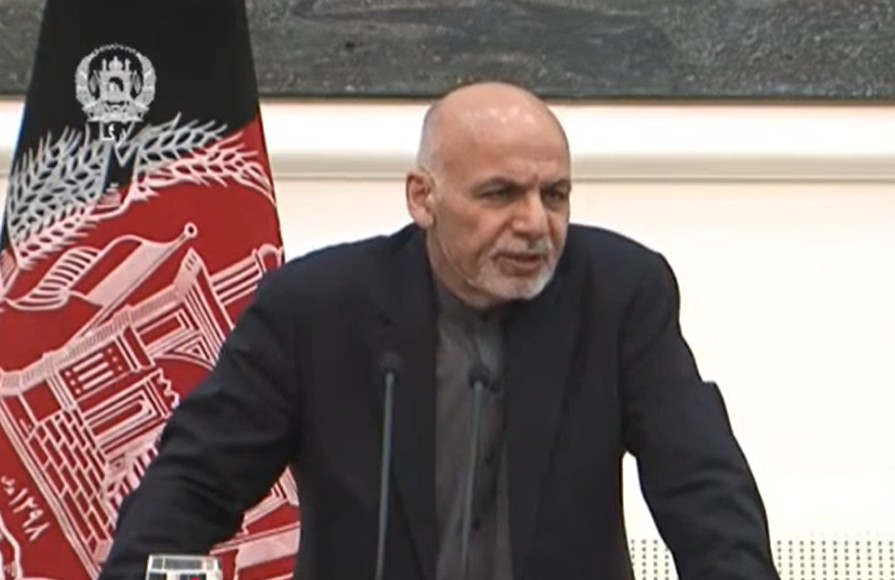
(Address the nation following a strategic six-day tour of France, Germany, Italy, and Sweden)
Keypoints:
- Security Partnerships: Highlighted importance of international relations for national stability.
- NATO Support: “Resolute Support” mission renewed with 40 countries committed.
- Economic Transition: Troop withdrawal impacted economy; revenue targets met for the first time.
- France Engagement: Showed solidarity after Paris attacks; focused on green energy potential.
- Germany Support: Increased military aid, vocational training, housing, and job creation.
- Italy Cooperation: Ensured airport security and discussed Herat-Chisht-e-Sharif road.
- Sweden Commitment: Ten-year “Decade of Transformation” with 1 billion Euros pledged.
- Afghan Diaspora: Addressed migration challenges; emphasized dignity of work and legal channels.
- Regional Diplomacy: Emphasized Afghanistan-Pakistan relations and need for lasting peace.
- Air Force Strengthening: Coordinated with Germany and Sweden to improve defense capabilities.
- Future Growth: Promoted economic growth and global partnerships to encourage Afghan talent return.
- Strategic Vision: Focused on security, governance, infrastructure, and sustainable development.
In the name of Allah, the Most Gracious, the Most Merciful.
I intended to meet with you yesterday, but due to urgent events, I went to the Zardad Sarai. There, a fire destroyed more than several hundred shops. Our noble compatriots, who work with immense focus to earn their daily bread, are facing great hardship; it was necessary to see them. Simultaneously, a tragedy occurred in Maidan Wardak where nine of our young men were martyred. It was essential to meet the families of the martyrs and the elders of Maidan Wardak. For these reasons, I have come to serve you today.
The past few months have been difficult. I told you and the nation that as this year ends, we have endured one of the hardest years in our history. The enemies of Afghanistan aimed to create two "political geographies"—to bring certain provinces or districts under their total control. By the grace of God, the courage of the Afghan people, and the sacrifice of our security forces, this sinister goal was thwarted. But the price we paid was high. It is the price Afghans always pay for their freedom and territorial integrity. We pray for all our martyrs—civilians, army, police, and intelligence—and ask for their place in paradise.
II. The Security Partnership
There is a national consensus that our relations with the world are vital to our interests. Last year, the National Unity Government worked to strengthen these ties. A primary example was the decision by the President of the United States, Mr. Obama, to change his previous plan of troop reduction. He recognized that partnership with the Afghan state is a pillar of regional stability.
Furthermore, at the NATO Foreign Ministers' meeting last week, they renewed their commitment to the "Resolute Support" mission. Nearly forty countries have now pledged to continue this mission. Last year, the commitment was only for one year; now, it has been extended. This will result in the funding, equipping, and training of our forces at the upcoming Warsaw Conference. We will overcome regional and international terrorism.
III. The Economic Transition
Last year was economically difficult for two reasons:
-
The Troop Withdrawal: International forces were the largest consumers in our economy. There weren't just 130,000 soldiers; there were 450,000 contractors. Totaling nearly 600,000 people with high purchasing power. Their exit hit Transport (which dropped from 22% of GDP), Construction, and Services.
-
Fiscal Credibility: The IMF wanted us to break the habit of making promises we didn't keep. I am happy to announce that we have collected 112 billion Afghanis out of our 114.2 billion target. For the first time, we will meet our revenue goal, which allows us to focus on job creation.
IV. Achievements of the European Tour
-
France: Our visit had two sides. One was solidarity following the terrorist crimes in Paris. As a people who suffer most from terror, I placed a wreath to show that Muslims loathe terror. A small minority must not defame 1.2 billion Muslims. We also focused on the Environment. Droughts that once occurred every 30 years now occur every three. We discussed "Green Energy." Afghanistan has the potential to produce 316,000 MW from water, wind, and solar. We can be a source of energy exports to Pakistan and India.
-
Germany: They will increase their troop presence in the North and support the 209th Corps. They pledged 330 million Euros annually until 2020. Our focus is Vocational Training. Without professional standards, our youth work for low wages; with them, they can earn five times more. Germany will also assist in a project to build 100,000 houses and an "Immediate Job Creation" program for peace.
-
Italy: 500 Italian soldiers will remain in Herat, ensuring international flights continue. They allocated 29 million Euros for the Herat airport. We discussed the Herat-Chisht-e-Sharif road (the "Gardan Diwar") to end the geographical "prison" of Central Afghanistan.
-
Sweden: They are the first country to sign a ten-year commitment for the "Decade of Transformation," pledging 1 billion Euros.
V. Question & Answer Session
Nusrat Parsa (Ariana News): Regarding refugees—when you went to Europe, people hoped for a message of hope. Instead, you "accused" them of being dishwashers. These were people who voted for you. What is your clear message to them, and can you change this wretched situation in the next three years?
President Ghani: The title I am most proud of, yet is the heaviest burden, is being called the "Spiritual Father of the Nation." I feel the pain of the migrant in my heart because I belong to a generation forced into exile.
When I mentioned "dishwashing" in that interview, it was not to humiliate. It was to highlight a tragedy. How many of our doctors are forced to be nurses? How many PhD holders—including my own family—had to drive taxis in America just for a piece of bread? We are losing our professional generations. There is no shame in physical labor, but we didn't invest in our youth for them to become unskilled laborers abroad.
Today, I spoke with your colleague, Mr. Qais. His daughter was lost to human traffickers. His message to me was: "Fight the human traffickers." Europe is in fear; their laws are changing. I did not sign any agreement to strip Afghan rights, but we must be realistic. My responsibility is to bring stability so people aren't forced to leave, and if they do, they go through legal, professional channels.
Abdul Qadir (National TV): You have been sincere with Pakistan, but they respond with deception. What "green light" have they shown that you are attending the "Heart of Asia" conference there?
President Ghani: I am not attending tomorrow; the Foreign Minister is. I will go the day after. This is not "Pakistan’s" conference; it is Afghanistan’s conference. It started in Istanbul, then Kabul, Almaty, Beijing, and now Islamabad. When a conference is about Afghanistan, the Afghan President must be there. I will have a clear message, and I will speak with you when I return.
Zabihullah Dorandish (Khorshed TV): Every time we talk peace, a Taliban leader is killed. Is this a Pakistani conspiracy? And why do we keep meeting them if they support terrorists?
President Ghani: My message will be clear in Islamabad—listen to it the day after tomorrow. Last year, I told them we are in a "14-year undeclared war." That is the clearest policy in the region. You discuss things with people you have problems with. Peace between two independent states, Afghanistan and Pakistan, is fundamental. It isn't like two teenagers who are friends one hour and enemies the next. Regarding Mullah Mansoor’s death, there is no proof yet. Peace is serious work. 50% of peace agreements globally lead back to war. We want a lasting peace.
Faisal Zaland (Shamshad TV): Any agreements on equipping the Air Force?
President Ghani: My responsibility is to bring stability so we don't have to leave. Germany and Sweden have specific laws; if you follow the law, rights are protected. But Europe is closing its borders. Sweden cut 60% of its global aid just to manage refugees. My main focus must be on the next few years to ensure economic growth is so strong that the "flight" of people turns into people wanting to come here.